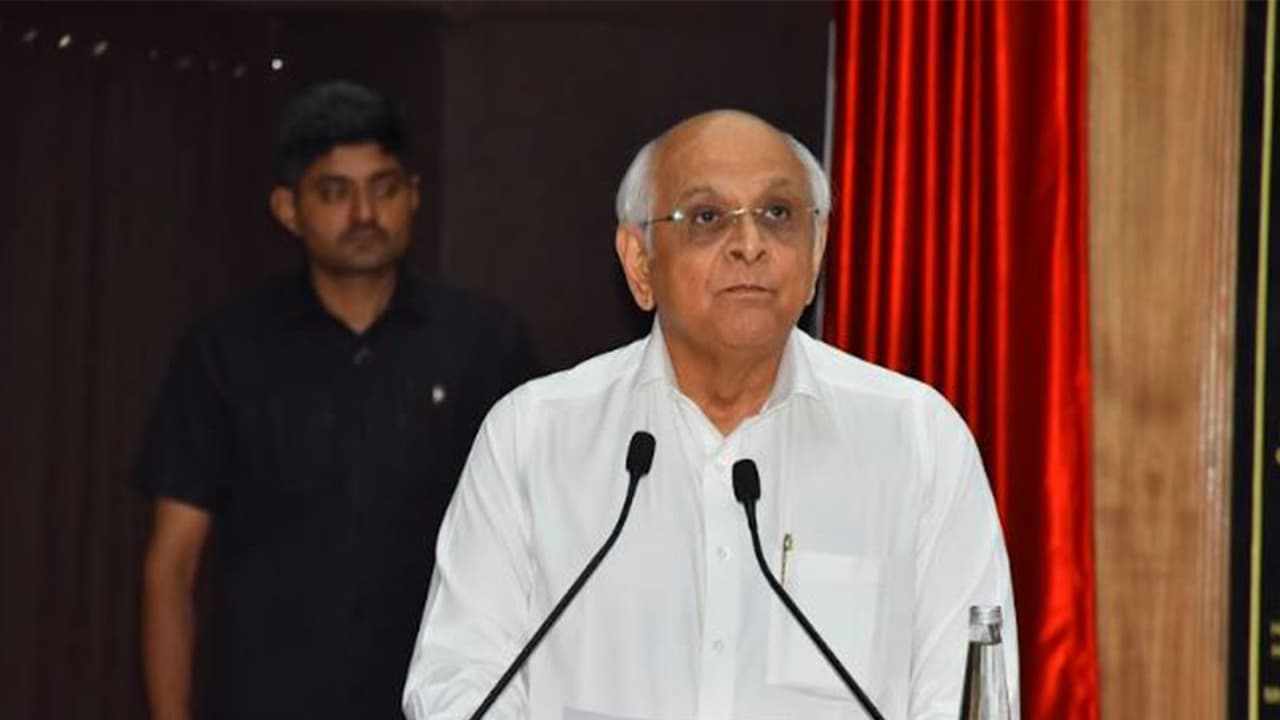
Gujarat CM Bhupendra Patel approved Rs 1,185 crore for road projects in South Gujarat. The investment covers 383 km across six districts to transform the Surat Economic Region into a global trading hub, improving logistics and connectivity.
Gujarat Chief Minister Bhupendra Patel approved road infrastructure projects worth Rs 1,185 crore to strengthen connectivity across South Gujarat as part of its strategy to develop the Surat Economic Region (SER) into a global trading hub on the lines of Dubai and Guangzhou in China.
The projects, cleared by the Chief Minister, include 24 road infrastructure works covering 383 km across the districts of Surat, Tapi, Valsad, Bharuch, Navsari and Dang. The move is aimed at improving logistics connectivity and positioning the region as an important node in global supply chains.
Economic Master Plan for Surat
The infrastructure push comes 17 months after the Economic Master Plan for the Surat Economic Region was launched in Surat to transform the Surat city-region into a major growth hub by 2047. In his message for the comprehensive Economic Master Plan report prepared by NITI Aayog in 2024, the Chief Minister had stated, “More than just a blueprint, the Economic Master Plan for the Surat Economic Region is a testament to our dedication to fostering visionary, dynamic and inclusive growth as partners in nation-building.”
Boosting Connectivity and Fund Allocation
Among the districts, Surat has been allocated Rs 631 crore for road upgrades as it remains the primary growth driver of the region. Valsad will receive Rs 264 crore, while the remaining funds will be distributed among Navsari, Tapi and Dang districts. Officials said the investments are aimed at strengthening connectivity between industrial clusters, ports and logistics hubs across South Gujarat. With coastal regions and well-connected hinterlands emerging as advanced trading centres globally, the government is focusing on large-scale infrastructure spending to enhance the region’s competitiveness.
Economic Strengths of the Region
Surat is one of the four pilot city regions in India selected for the preparation of an economic master plan, owing to its strong industrial base and strategic location. According to the report, the region already hosts several industries that significantly contribute to the economy. Surat is globally known for its textile manufacturing and diamond processing sectors, along with chemical industries, MSME clusters and logistics services. Bharuch has a strong presence in chemicals, pharmaceuticals and petrochemicals, while Navsari is known for agriculture, food processing and small-scale manufacturing. Tapi contributes through agro-processing industries, paper manufacturing and dairy activities, whereas Valsad has a mix of chemical industries, trade and tourism-related businesses. Dang district, which is largely forested and tribal, has economic activities centred around agriculture, forestry and basic services, the report notes.
Ambitious Vision for 2047
With the blueprint for developing the Surat Economic Region already in place, the government now aims to create a global trading hub that can bridge the gap between production centres and international markets, while serving as a key access point to global supply chains. The current per capita GDP of the region is estimated at around USD 4,600, with an ambitious target to increase it to over USD 45,000 by 2047. Officials said achieving this goal will require coordinated planning and large-scale infrastructure development.
The Chief Minister’s approval of Rs 1,185 crore for road upgradation and development is seen as a significant step in that direction. The state government’s development strategy focuses on sustainable growth, economic diversification and balanced regional development, strengthening the role of Surat and its neighbouring districts as a major economic powerhouse.
Leveraging Surat’s Strategic Advantages
Surat’s strategic geographic location, strong transport connectivity and industrial ecosystem place it in a favourable position to expand into emerging sectors. The region already benefits from a robust logistics network that includes expressways, rail connectivity, seaports, an international airport and the Western Dedicated Freight Corridor.
The government has also identified key sectors for future development, including sustainable agriculture, real estate, tourism, information technology and logistics, as part of its vision to transform the region into a globally competitive economic hub. (ANI)
(Except for the headline, this story has not been edited by Asianet Newsable English staff and is published from a syndicated feed.)