A new winter forecast points to shifting weather patterns across mountain regions and neighboring countries, highlighting potential challenges and opportunities in the months ahead as seasonal conditions evolve.
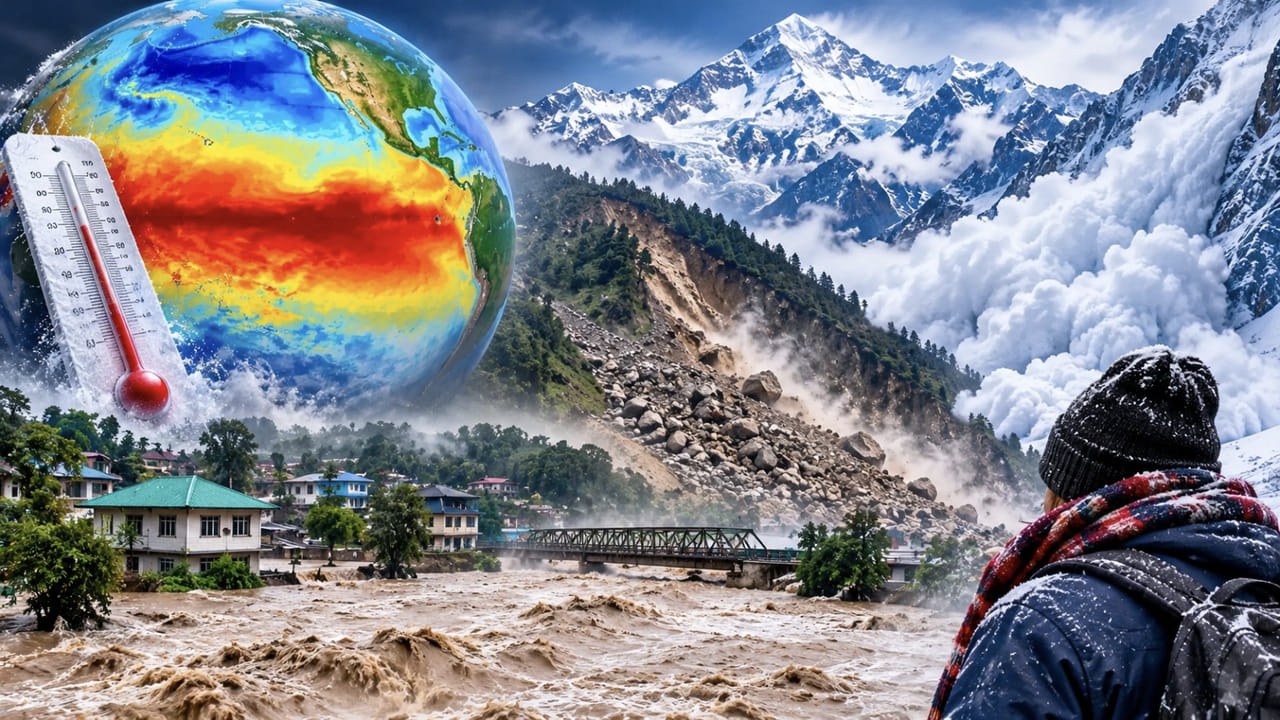
A powerful El Niño event developing in the Equatorial Pacific is expected to shape winter weather across the Hindu Kush Himalaya (HKH) region, bringing warmer temperatures, heavier precipitation in several areas and heightened risks of weather-related disasters, according to a new seasonal outlook released by regional scientific institutions.
The forecast, covering the period from November 2026 through February 2027, was prepared by the International Centre for Integrated Mountain Development (ICIMOD), Beijing Normal University and the Institute of Atmospheric Physics at the Chinese Academy of Sciences.
Researchers project above-average snowfall accumulation in mountain regions of Afghanistan, Pakistan, northern India and Nepal. In contrast, snow depths are expected to remain below normal in Bhutan and eastern Xizang, also known as the Tibet Autonomous Region of China.
The report highlights the potential for localized flooding, landslides and avalanches in areas likely to receive greater amounts of rain and snow during the winter season. While increased precipitation could improve water availability in some locations, scientists caution that the resulting conditions may also elevate disaster risks in vulnerable mountain communities.
Temperatures are forecast to remain higher than average across much of the HKH region. Combined with drier conditions in parts of the eastern Himalayas, the warming trend could increase the likelihood of forest fires despite above-normal precipitation in certain areas.
India is expected to experience varying weather conditions across different regions. Parts of northern and northeastern India may see wetter-than-usual conditions, while southern areas are forecast to receive less rainfall than average. The strongest warming is anticipated along the western edge of the country.
Forecasters noted that the expectation of below-normal winter rainfall in southern India stands out because El Niño episodes are typically associated with enhanced rainfall during the northeast monsoon season.
Recent observations from the India Meteorological Department show that the current northeast monsoon has so far delivered below-normal rainfall in Kerala and Karnataka. Andhra Pradesh and Tamil Nadu, meanwhile, have recorded rainfall levels within the normal range. Snow accumulation is expected to exceed seasonal averages in Himachal Pradesh and India’s far northern regions.
Forecast Highlights Growing Disaster Preparedness Concerns
The assessment indicates that fire danger across central and eastern India will generally remain in the very low-to-low category. However, certain pockets of the southern peninsula and the northeastern Himalayas could face very high fire risk.
In Nepal, above-normal precipitation is expected across most of the country, especially in central districts. Northern areas may record deeper snowpacks than usual. The outlook also suggests warmer-than-normal temperatures in hilly regions, while some higher elevations could experience cooler conditions.
Bhutan is forecast to receive below-average snow depth across western and northern areas. At the same time, northern and eastern parts of the country could face elevated forest fire risks.
Pakistan is expected to be wetter than usual through the winter season, with northern areas likely to receive above-normal snowfall. Authorities there may also have to contend with a moderate threat of forest fires in some northern districts.
According to the report’s authors, the projected increase in snowfall across the western Himalayas aligns with previous research showing that El Niño years often bring enhanced winter precipitation to the region. However, they noted that the strength of this relationship can vary between individual events. Studies have also found that extreme winter precipitation episodes in the Karakoram and western Himalayas tend to occur more frequently during El Niño periods.
The current El Niño has already reached unusual intensity and is expected to strengthen further before peaking during the Northern Hemisphere winter of 2026-27, based on updates from the World Meteorological Organization and the United States National Oceanic and Atmospheric Administration.
Scientists warn that the combination of heavier precipitation and elevated temperatures could increase the chances of flash floods, landslides and avalanches in exposed mountain areas. The report urges disaster management agencies to prepare for winter disruptions by strengthening response capabilities, planning snow-clearance operations and ensuring essential supplies remain available in settlements at risk of isolation.
Experts involved in the outlook said seasonal forecasts can help governments act before mountain passes become inaccessible. They stressed the importance of snowpack monitoring, timely warnings and preparedness measures across vulnerable communities and transport corridors.
Water managers, hydropower operators and farmers were also encouraged to use updated observations and forecasts when making decisions related to reservoirs, water distribution and irrigation planning.