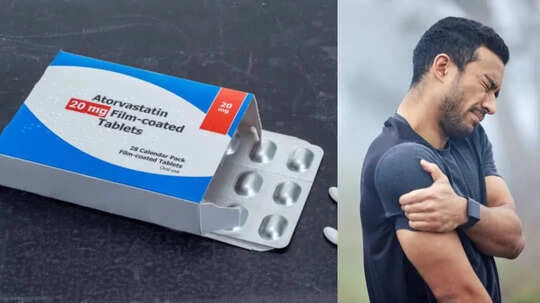
Millions across the world take statins like atorvastatin to keep their bad blood cholesterol or LDL levels in control. However, according to experts, there is one key side effect that you must never ignore.
The British Heart Foundation has reported an estimated eight million people in the UK now take statins annually, and usage continues to climb; frontline pharmacists are seeing more patients seeking reassurance about early side effects and how to manage them safely.
What is the most common side effect of atorvastatin?
While general side effects of atorvastatin settle after the first few days as the body adjusts, experts say that some uncomfortable ones, like muscle pain, which does not ease, remain the issue to watch out for. However, experts believe that if the symptoms worsen or begin to affect larger muscle groups, see your doctor immediately.
Experts believe that the atorvastatin prescription refers to this condition as myopathy – meaning muscle pain, so it’s important that patients familiarise themselves with the side effects listed in this leaflet. In a few severe cases, atorvastatin also causes damage to the muscle fibre, so it is important that muscle pain increases or does not go away.
The doctor may request blood tests to establish what is happening and whether atorvastatin is a good fit or if an alternative treatment is needed.
Does atorvastatin lead to any positive changes in cholesterol levels?
Doctors say patients can see a significant drop in cholesterol in the blood after about four weeks, which can be confirmed with a blood test in four weeks.
It takes a longer time for your body to reap the benefits of this medication while lowering cholesterol levels in the blood. Over several months to years, lower cholesterol will mean there’s less fatty plaque building up in the arteries, so blood flows more easily around the body.
Natural ways to lower cholesterol levels
A few lifestyle changes that you can make to lower LDL cholesterol levels include:
Eat heart-healthy foods
A few heart-healthy foods include the macronutrients and other minerals that are important for the proper functioning of your organs. And so, you must:
Reduce saturated fats
- Eliminate trans fats
- Eat foods that are rich in omega-3 fatty acids
- Increase soluble fibre
- Add whey protein to daily foods
Exercise daily
Exercise and workouts are important to improve cholesterol, so make sure to work up to at least 30 minutes of exercise five times a week or vigorous aerobic activity for 20 minutes three times a week. You must:
- Take a brisk daily walk
- Ride your bike (cycle)
- lay your favourite sport for at least 20 to 30 minutes
- Stay motivated, consider finding an exercise buddy or joining an exercise group.
Quit smoking
Quitting smoking improves your HDL cholesterol level. The benefits, like balanced blood pressure and triglycerides, occur quickly, as soon as you stop smoking.
Lose weight
Carrying even a few extra pounds contributes to high cholesterol. Small changes add up, so make sure to bring about lifestyle changes like quitting sugar, eating more protein, and exercising to lose weight in a healthy way. Look for ways to incorporate more activity into your daily routine, such as using the stairs instead of taking the elevator or parking farther from your office. Take walks during breaks at work. Try to increase standing activities, such as cooking or doing yardwork.