We have entered the world of artificial intelligence, yet there are a lot of basic issues that are left unspoken about, and periods are one of them.
Having your first period may be an experience filled with emotions, confusion, curiosity, discomfort, and even fear. In conversation with HT Lifestyle, Ashima Sharma, R and D Lead, Pee Safe, shared tips that can help all young girls manage their periods well.
What is menstruation?
“Having a period, also known as menstruation, is when the uterus sheds its lining. This lining is built up in preparation for pregnancy. If pregnancy does not occur, the lining leaves the body as blood and tissue,” explained Ashima.
The average age for having a first period in girls is between the ages of 9 and 15. Some common signs that it may start soon include breast development, body hair growth, vaginal discharge, and mood changes.
5 simple tips for the first period
Here are simple tips for the first period:
1. Choosing the right product
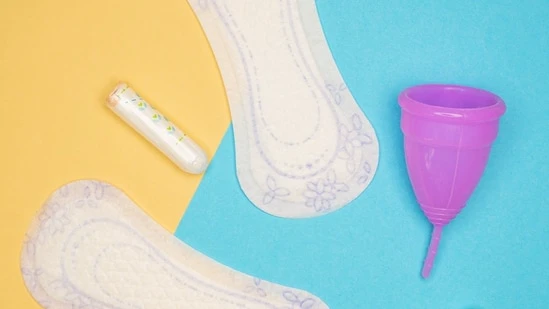
According to Ashima, for beginners, period panties are one of the best options to start with, as they are easy to use, comfortable, and feel similar to regular underwear. As you become more confident and familiar with your body, you can explore other alternatives such as pads, tampons, or menstrual cups. There is no right or wrong choice; each product serves a different purpose and can help you manage your period in a safe and hygienic manner.
2. Hygiene
Hygiene is also important during this time. Ashima suggests always washing hands before and after changing the period product of choice. She also recommends washing intimate areas. She advises refraining from using soap because it might irritate the skin and disturb the natural pH.
 3. Period kit
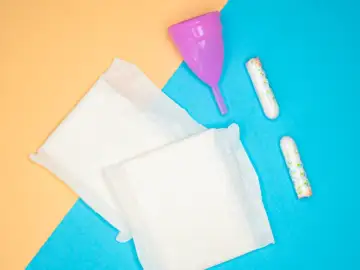
It’s also helpful to keep a well-prepared period kit with essentials such as period panties or pads, an extra pair of underwear, wipes, and disposable bags. Having this ready can make managing periods at school or while you’re out much more convenient and stress-free.
4. Track your cycle
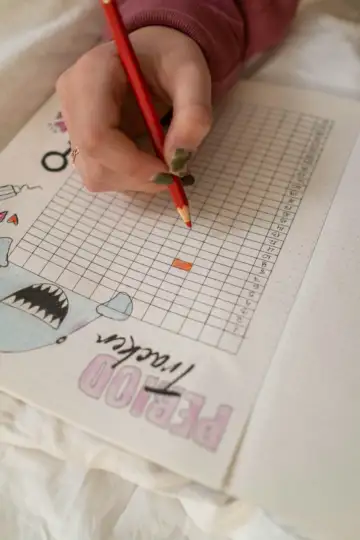
Understanding your menstrual cycle is equally important. You can track your period using a calendar or a period-tracking app, which helps you become more aware of your cycle patterns and better prepare each month.
 5. Managing cramps and pain
Ashima said, “It is normal to experience cramps, tiredness, or mood swings during your period. Understanding these changes can help you manage them better and feel more in control.” Staying hydrated, eating healthy, and doing light activities like stretching can help ease discomfort. Ashima suggests using a hot water bag or heating pad can also relieve cramps. If needed, cramp relief roll-ons or pain relief patches can offer additional comfort.