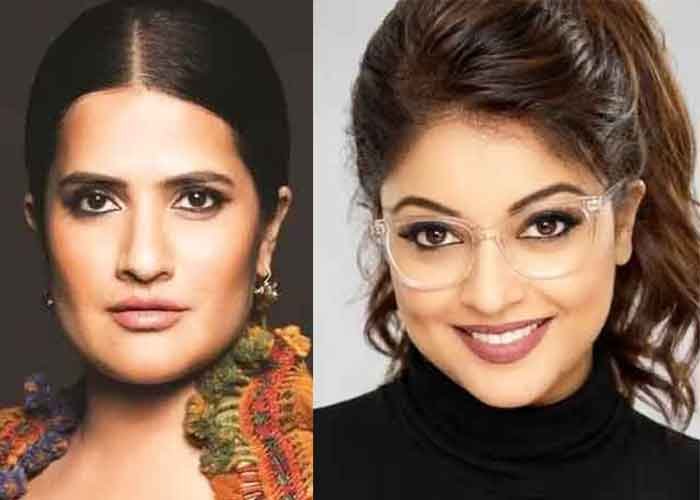
Playback singer Sona Mohapatra has come out in support of actress Tanushree Dutta amid criticism over her remarks following the reported death of actor Nana Patekar, arguing that a woman who has spoken publicly about alleged sexual harassment should not be expected to suppress her experiences.
Dutta had offered condolences to Patekar’s family while also mentioning that the news of his death would affect her professional commitments. Her remarks drew criticism, prompting Mohapatra to defend her in a video shared on Instagram on Friday.
In the video, Mohapatra spoke about the backlash against Dutta and recalled the professional consequences she said she faced for speaking out during India’s #MeToo movement.
“I’ve practically earned a PhD in being the most unpopular person in a room, not because I enjoy it, nobody does, but because I’ve never mastered the art of keeping quiet when something is deeply wrong,” Mohapatra said.
Referring to the criticism directed at Dutta, she said the actress had spoken about alleged sexual harassment on film sets, endured a difficult public battle and faced humiliation and professional consequences.
“What do you expect from her? This woman spoke up about her sexual harassment on sets with this gentleman, fought an exhausting battle, faced public humiliation and professional consequences, and now she is expected to forget her experience and perform what for you? Grief. That’ll comfort you,” she said.
Mohapatra also criticised women influencers and content creators who, she alleged, were attacking Dutta to gain attention online. She questioned whether humiliating another woman should be considered a way to generate engagement.
Recalling her own experience during the #MeToo movement, the singer said she had been removed from a national television reality show after nearly 19 episodes because other professionals were unwilling to take risks by speaking out.
“I know what speaking up costs a woman,” she said, questioning the expectation that women should produce proof of harassment or explain why they did not pursue legal action.
“Do women go to work wearing hidden cameras in such situations? Does harassment conveniently happen before witnesses? #MeToo happened because power, fear, and retaliation made speaking up so difficult,” she said.
Mohapatra also challenged the tendency to associate old age with virtue or treat death as a reason to overlook uncomfortable aspects of a person’s past.
“Growing old doesn’t make anyone morally infallible. Dying shouldn’t erase uncomfortable chapters of someone’s life. You can celebrate an artist’s work, mourn his passing, and offer his family compassion,” she said.
She added that people could grieve an artist’s death without demanding that a woman abandon her account of past experiences.
“Tanushree Dutta is entitled to her account of what happened. And if your compassion requires humiliating a woman who spoke up, perhaps, I mean, it’s definitely not compassion. It’s hypocrisy. Death deserves dignity. So do the living,” Mohapatra said.
The singer also raised the issue of composer Anu Malik continuing to appear at major live events, questioning what she described as the entertainment industry’s short memory regarding allegations raised in the past.
Mohapatra’s comments have brought renewed attention to the debates surrounding the #MeToo movement, accountability in the entertainment industry and the treatment of women who speak publicly about alleged harassment.