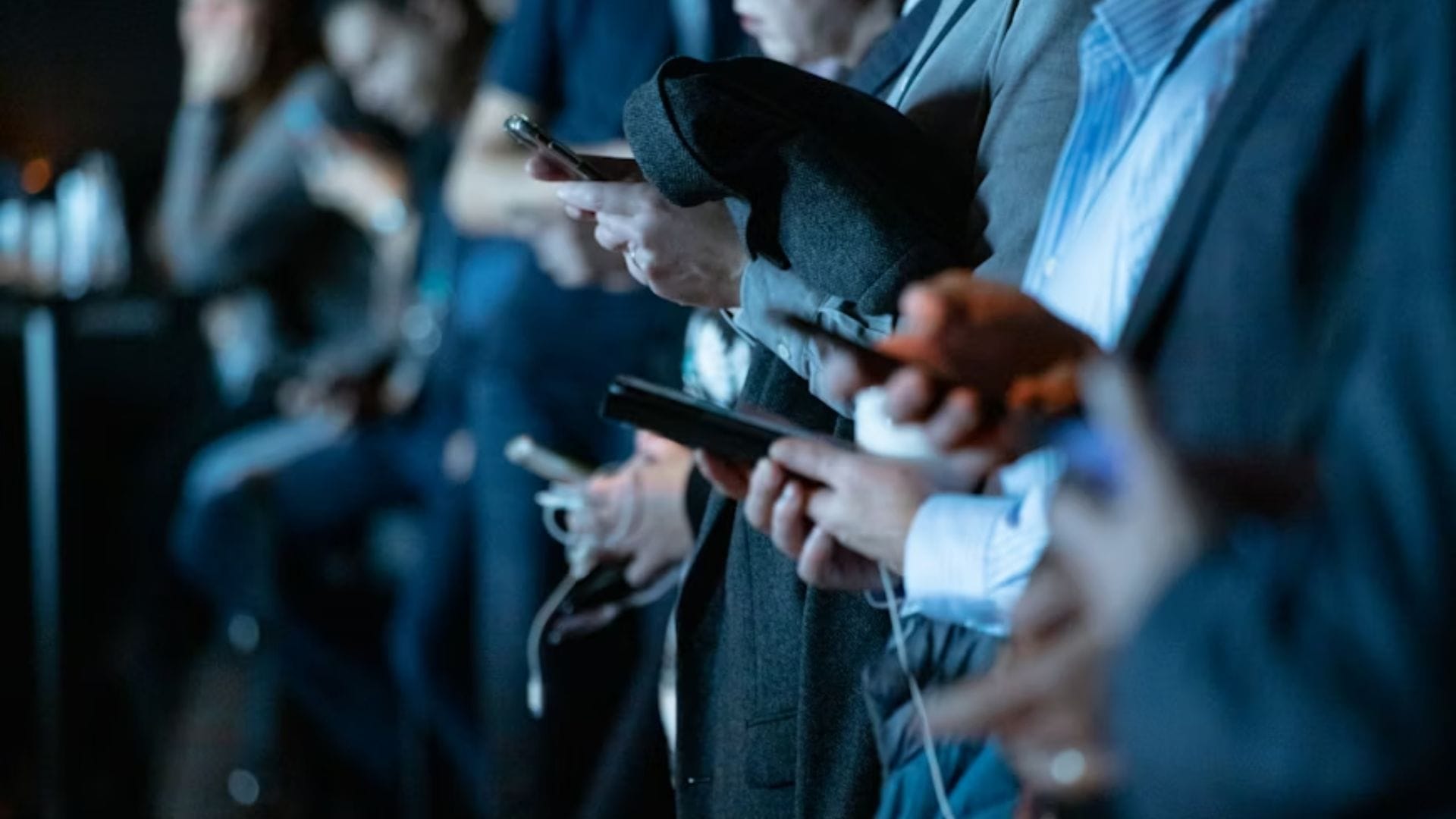
New Delhi: Researchers from Oregon State University have conducted the first-of-its-kind study among US adults, exploring the links between social isolation and social media. The research has revealed that the strangers added on social media do not make users feel less lonely, and in-fact, connections with unknown people increases the feeling of loneliness. Connecting with people online that you already know in meatspace is not associated with either increased or decreased loneliness. The study was conducted on 1,500 adults between the ages of 30 and 70, and is nationally representative for the United States. The researchers advocate prioritising in-person communications.
The scientists were inspired to undertake the research following a 2023 report on a loneliness pandemic in the United States. The report was prepared by the then Surgeon General, Vivek Murthy, that notes that about half of American adults reported measurable levels of loneliness even before the COVID-19 pandemic. Social isolation has health risks that are comparable with that of smoking. People who feel lonely often are more than twice as likely to develop depression compared to people who do not. They also face a 29 per cent increased risk of heart disease, a 32 per cent increased risk of stroke, and a 50 per cent increased risk of dementia among older adults and a greater than 60 per cent chance of premature death.
The role of social media in loneliness
Most of the previous studies focused on teens and young adults, with the new study examining adults in midlife and older. This demographic makes up 75 per cent of the US population, and is increasingly exposed to social media. The health impacts of loneliness grow increasingly severe with the progression of age. 35 per cent of the study group’s contacts on social media were strangers that they never met in person. A paper describing the research has been published in Public Health Reports.