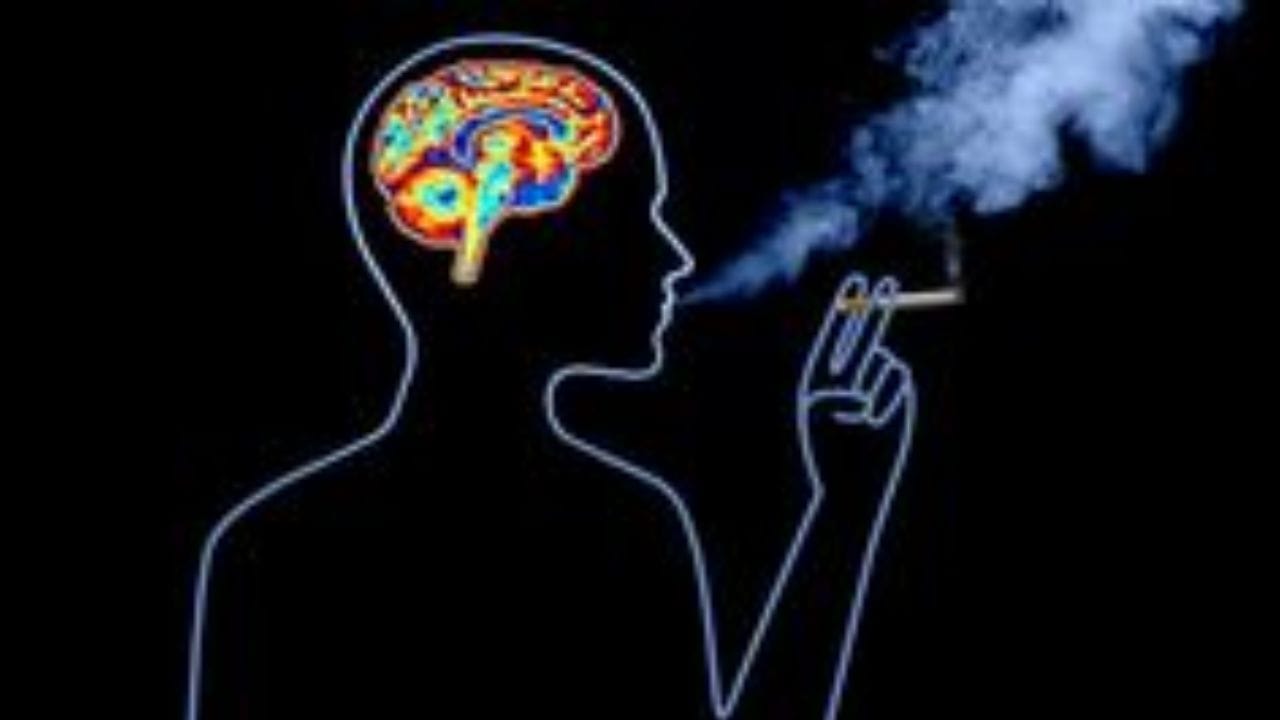
New Delhi: Smoking may increase dementia risk through a biological chain reaction that begins in the lungs and ultimately damages brain cells, according to research published in Science Advances in April 2026. Scientists have identified an unexpected pathway linking nicotine exposure to neurological harm, offering a clearer explanation for associations long observed in population studies. The research highlights rare lung cells known as pulmonary neuroendocrine cells (PNECs), which account for less than one per cent of lung tissue.
These cells act as airway sensors and communicate directly with the brain through the vagus nerve. When exposed to nicotine, they release microscopic particles that interfere with iron balance inside neurons, a process associated with dementia-related changes. The findings shift attention towards the lung as an active participant in brain health rather than a passive organ affected by smoke.
Lung-brain link and dementia risk
Pulmonary neuroendocrine cells sit along airway walls, monitoring inhaled substances. Their direct connection to the brain through the vagus nerve allows signals to travel swiftly between organs.
“It reveals that the lung is not just a passive target of smoke exposure, but an active signaling organ influencing brain pathology,” said the paper’s corresponding author Asst Prof Joyce Chen, from UChicago’s Pritzker School of Molecular Engineering (UChicago PME) and the Ben May Department for cancer Research.
Researchers described a previously unmapped route through which PNECs respond to nicotine. Once stimulated, these cells release exosomes – tiny particles that transport cellular material – which disrupt iron regulation in neurons. Such imbalance has been linked to symptoms commonly seen in dementia patients.
Because PNECs are extremely rare and difficult to cultivate, scientists generated functional versions using human stem cells. Genetic analysis confirmed that the laboratory-grown cells closely resembled natural PNECs.
The study was led by researchers at the Pritzker School of Molecular Engineering and the Ben May Department for Cancer Research at the University of Chicago, with co-authors based in New York, Virginia, Hong Kong and Shanghai.