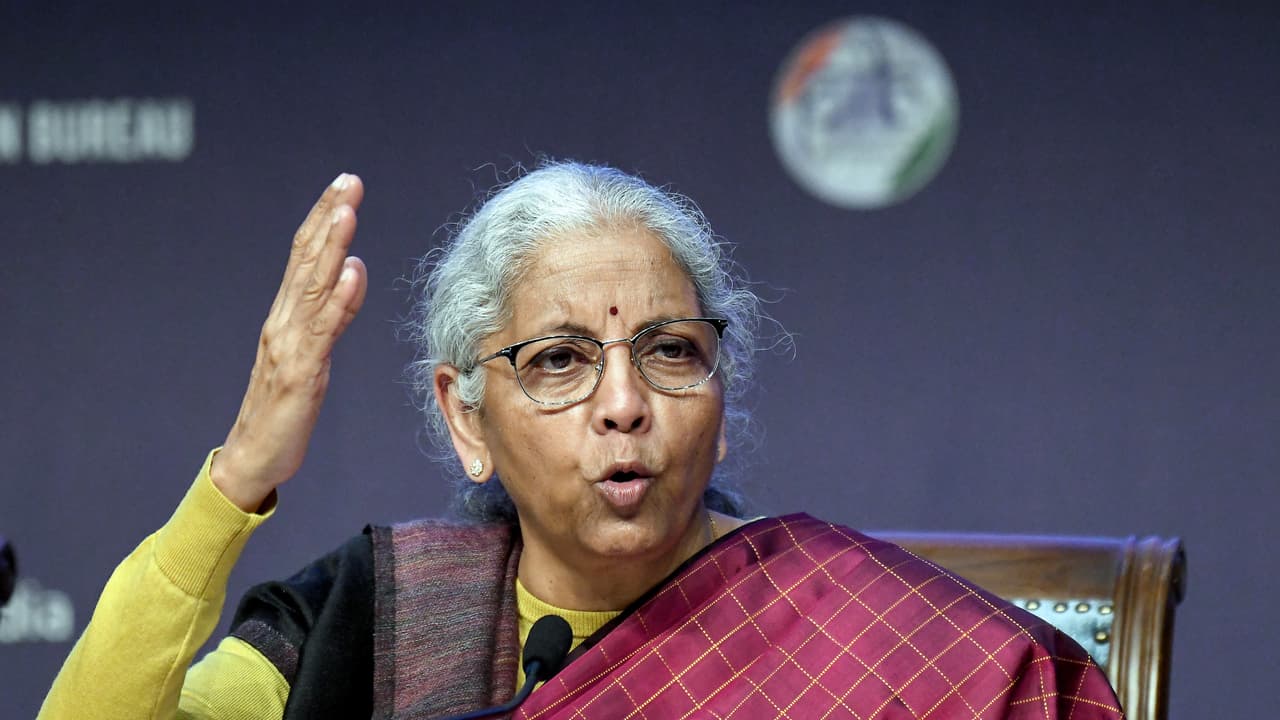
Industry leaders hail Union Budget 2026 as growth-oriented and inclusive, praising focus on infrastructure, skilling, defence spending and fiscal discipline under FM Nirmala Sitharaman.
The industry veterans have hailed the Union Budget 2026 presented by the Union Finance Minister Nirmala Sitharaman calling it a budget for the real economy that combines growth with inclusion.
Sunil Mittal Lauds Skilling, Innovation and Digital Economy Focus
Sunil Bharti Mittal, Founder & Chairman, Bharti Enterprises welcoming the Union Budget called it a bold Budget that combines growth with inclusion. The strong emphasis on skilling, alongside sustained investments in science, innovation, and research are timely & will strengthen domestic capabilities, advancing import substitution in critical sectors.
“Bolstering infrastructure and logistics with a focus on energy-efficiency & impetus to data centre ecosystem will further reinforce confidence in our burgeoning digital economy. Bharti Enterprises remains highly committed to play its part in enabling technology-led growth, expanding financial inclusion, and accelerating future-ready education through Bharti Airtel Foundation to secure India’s talent dividend,” he said.
Uday Kotak Calls It a Budget for the Real Economy
Further, Uday Kotak, Founder and former CEO of Kotak Mahindra Bank Ltd called it a budget for the real economy.
In a post on social media platform X, he said, “Welcome increase in defence spend. Broad fiscal discipline continues. Works on balancing between financialisation of the economy, and focused development of diverse, deep India long term.”
NSE Chief Flags Fiscal Discipline and Infrastructure Push
Ashish Kumar Chauhan, MD & CEO, National Stock Exchange Of India said, “It is the first budget presented from Kartavya Bhavan and the ninth consecutive budget by Finance Minister Nirmala Sitharaman… The fiscal deficit has been reduced, with a stronger focus on infrastructural growth, which is commendable. The fiscal deficit has come down from 4.4% to 4.3% and is expected to decrease further in the coming years. The overall debt-to-equity ratio, which currently stands at 55%, is projected to fall to 54% and may even decline to 50% in the next few years.”
(Except for the headline, this story has not been edited by Asianet Newsable English staff and is published from a syndicated feed.)