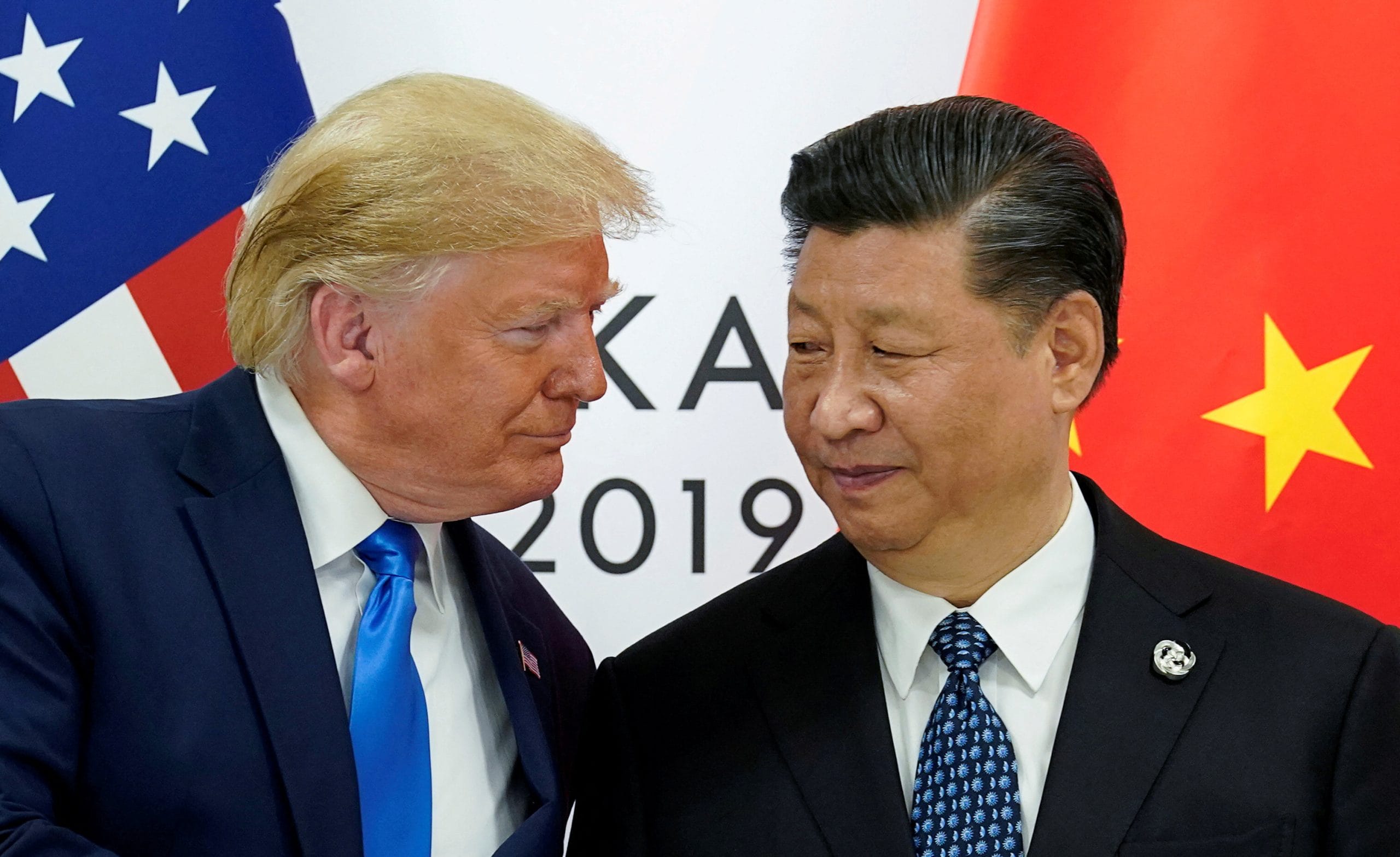
New Delhi: In a high-stakes move to reopen the world’s most critical energy route, US President Donald Trump has called for a massive international naval coalition to secure the Strait of Hormuz. Following Iran’s total closure of the passage, Trump declared that securing the waterway must be a “team effort,” urging major oil-consuming nations to deploy their own warships to the region.
The call to arms comes as global energy markets reel from the closure, with Brent Crude surging to 103.14 dollars per barrel as of March 13.
The call to action: “Secure your own oil”
In a series of Truth Social posts on March 14, President Trump argued that the burden of policing the Middle East’s waters should no longer fall solely on the United States.
“Many countries, those who are affected by Iran’s attempted closure of the Hormuz Strait, will be sending warships in conjunction with the United States of America, to keep the strait safe and open,” Trump claimed. He specifically named China, the UK, France, Japan, and South Korea as nations that must take responsibility for the passage that carries their energy supplies.
Despite claiming the US has “already destroyed 100 per cent of Iran’s military capability” following the pre-emptive strikes on February 28, Trump warned that a defeated Iran remains dangerous. He noted that it is still “easy” for Tehran to deploy rogue drones, mines, or close-range missiles to disrupt shipping.
World powers react: Diplomacy vs defence
The international response has been a mix of cautious diplomacy and strategic silence. A spokesperson for the Chinese Embassy in Washington told CNN that Beijing desires an “immediate cessation of hostilities.” While avoiding a direct commitment to join a US-led fleet, China emphasised that all parties have a “responsibility to ensure stable and unimpeded energy supply.” This comes just two weeks before a scheduled high-level meeting between Trump and President Xi Jinping.
In a statement quoted by CNN, the Chinese Embassy said, “As a sincere friend and strategic partner of Middle Eastern countries, China will continue to strengthen communication with relevant parties, including parties to the conflict, and play a constructive role for de-escalation and restoration of peace.”
The British Ministry of Defence confirmed it is “weighing a number of options” and discussing security measures with allies, but has not yet committed to a specific deployment. While not explicitly mentioned in Trump’s list, the Indian Navy has already moved. Multiple Indian warships are currently on standby near the Persian Gulf to assist merchant vessels. France, Japan, and South Korea have yet to issue official responses to the American request.
A waterway under fire
The crisis began on February 28, when joint U.S. and Israeli pre-emptive strikes targeted the Islamic Republic. In retaliation, Iran’s Revolutionary Guard shuttered the Strait, vowing that “not a single drop of oil” would reach the U.S. through the passage.