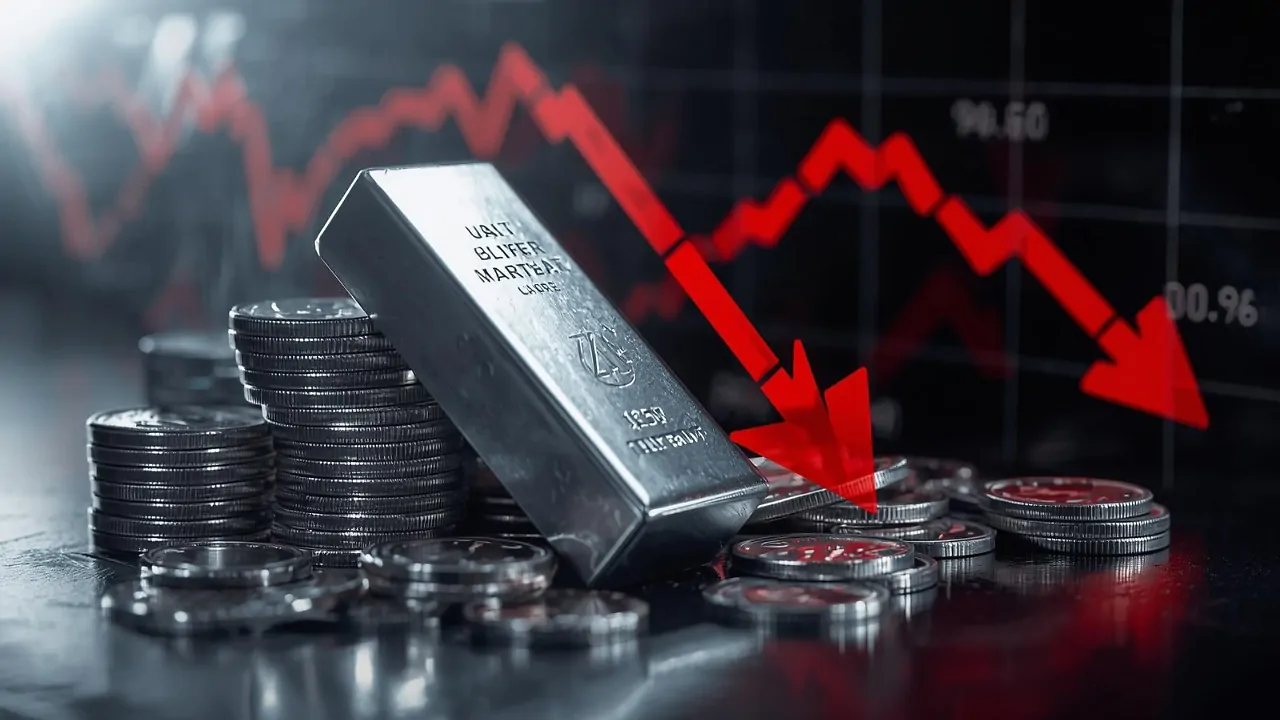
Silver prices have plunged from record highs, losing more than half their value in less than nine months. The precious metal, which touched a record high of nearly $117 per ounce on January 28, 2026, fell more than 53% to trade just above $54 per ounce on October 23.
On the Multi Commodity Exchange (MCX), silver prices have witnessed a similar decline as the metal dropped from a record high of around Rs 3.85 lakh per kg in January to approximately Rs 1.91 lakh per kg on October 27, marking a sharp reversal after its strong rally earlier this year.
However, amid the declining prices, AMFI data suggested that investor interest has remained strong with the Silver exchange-traded fund (ETFs) attracted Rs 1,974 crore in September, up 55 percent from August.
HSBC in its latest report on trend in Silver prices said based on our supply/demand model and data from the Silver Institute’s 2026 Survey, silver ran a 140moz deficit in 2025. We look for this deficit to narrow sharply to 5moz this year, due partly to investor liquidation in 1H’26, and to widen mildly to 12moz in 2027.
Moderating deficits help explain our view that prices are near equilibrium levels and may be supportive but do not augur for robust rallies. Shortages of .9999 high-quality silver may persist and aid prices. Above-ground stocks and recycling may eventually help cap sizable rallies and weigh on prices longer-term, it added.
What leading to crash in silver prices:
US interest rate and crude oil: The spike in the crude oil prices have fuelled inflation concerns. This has strengthen the expectations that US interest rates could remain high for longer. Silver does not pay interest, making it less attractive when investors can earn better returns from interest-bearing assets. A stronger US dollar has added to the pressure.
Industrial uses: Silver plays key role as both a precious metal and an industrial commodity used in solar panels, electronics and other electrical applications.
The manufacturing activity and industrial demand weigh on silver even when investors seek safe-haven assets.
Silver imports: India imports more than 80% of its silver requirements. It makes the domestic prices sensitive to international rates and currency movements. Fresh government import permits for 6,500 metric tonnes of silver over six months were also reported in October, raising the possibility of easing domestic supply constraints and narrowing local premiums.