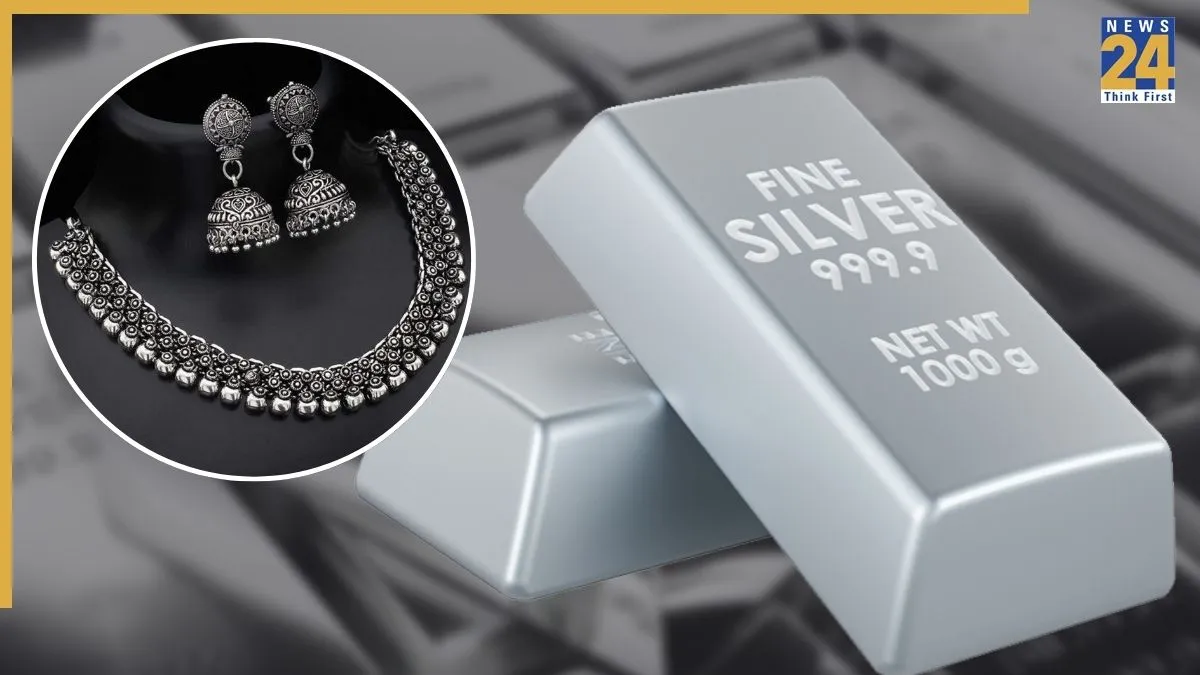
The ongoing U.S., Israel, and Iran conflict has shaken global markets, and its impact is clearly visible on Indian indices as well. Over the past month, markets have largely remained under pressure, witnessing a prolonged downturn with only brief phases of recovery. In such uncertain times, investors naturally turn towards safe-haven assets. Although gold and silver have not surged as sharply as in previous crises, they continue to remain preferred investment options. Silver, in particular, has attracted significant attention due to its strong price rally over the past year, driven largely by rising industrial demand. Investors are increasingly exploring options like ETFs and physical bullion to gain exposure to silver. A common question that arises now is, what is the better choice, silver jewellery or silver coins?
How much is the increase in price

Over the past year, silver prices have surged sharply due to strong industrial demand and global supply constraints. According to available data, silver delivered exceptional returns, with prices rising by nearly 149% to 172% during 2025, making it one of the best-performing asset classes. This rally has been largely driven by demand from sectors such as solar panels, electronics, and electric vehicles. Silver prices in India were around Rs 90,500 per kg in early 2025. Currently, the metal is trading above Rs 2.33 lakh per kg.
Purity

When it comes to purity, silver coins are clearly a better option for investment. They are typically made of 999 fine silver, which means 99.9% purity and is the standard for investment-grade silver. On the other hand, silver jewellery is alloyed with other metals for durability. The most common type is 925 sterling silver, which contains 92.5% silver and 7.5% copper, making it less pure.
Resale value

At the time of resale, silver jewellery usually fetches a lower value compared to your investment. Since it contains only 92.5% silver, there is an automatic deduction of 7.5% for alloy content. In addition, making charges are a significant part of jewellery pricing. Jewellers may charge around 10% for simple designs and over 25% for heavy or designer pieces. In contrast, silver coins generally fetch a value closer to the current market price.
How much is the tax

Whether you buy silver jewellery or silver coins, you have to pay 3% GST on the metal value. However, an additional 5% GST on making charges applies only to silver jewellery. This makes silver coins a more cost-effective investment option.
Liquidity

Liquidity refers to how easily you can sell your silver and convert it into cash. Compared to silver jewellery, coins offer higher liquidity. This is because coins come with standardized weight and purity, making them easier to sell. In contrast, selling silver jewellery involves deductions for purity, melting loss, and making charges, which reduces the final value.