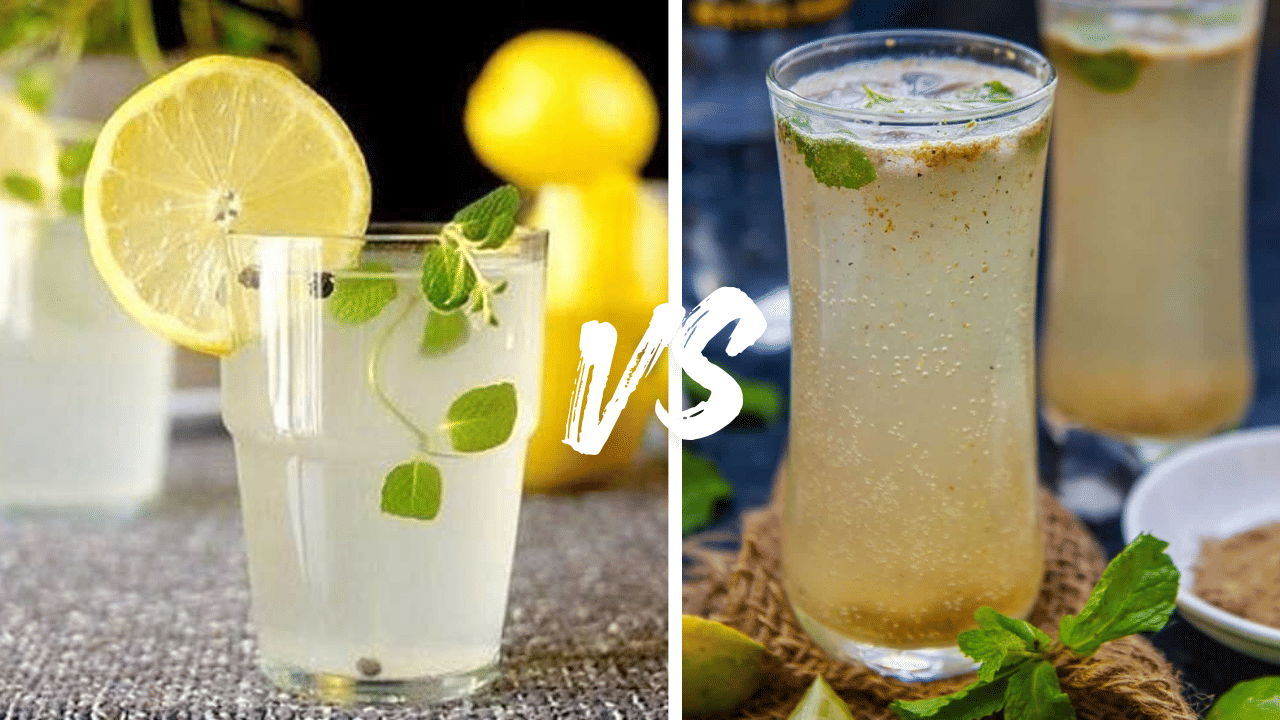
New Delhi: As the Indian summer heat begins to climb and the mercury hits the forties, it is no surprise that nimbu‑pani and shikanji become the most asked‑for drinks at every roadside stall, home kitchen and office pantry. Both are made from lemons (or limes), sweetened slightly and served with ice, which is why many people use the names interchangeably. However, if you look a little more closely, there are clear differences in taste, ingredients and even health benefits that decide which one truly suits your body and summer routine better.
In this guide we will break down the difference between shikanji and nimbu pani with easy‑to‑follow recipes, calorie and nutrition details, and a clear comparison of which drink is better for hydration, digestion and overall summer health. Whether you are a home cook, a fitness‑conscious eater or someone who just wants the most refreshing glass of lemonade on a hot afternoon, this blog will help you choose between shikanji and nimbu pani and even make them yourself.
What is Nimbu Pani?
Nimbu pani is the classic Indian lemonade you see almost everywhere in summer, from street‑side stalls to wedding pandals and roadside chai‑khatti shops. It is usually made by mixing fresh lemon or lime juice with water, sugar (or salt) and sometimes a pinch of chaat masala or black salt. The basic idea is simple: sour citrus plus a little sweetness equals a light, cooling drink that feels instantly refreshing on a hot day.
In most home recipes, nimbu pani uses only three main ingredients: lemon juice, water and sugar, with optional salt or masala. Street‑style nimbu pani is often a bit sweeter, more fizzy (when soda is added) and lightly spiced, while restaurant or home‑style versions may be milder and less sugary. Because of its minimal‑ingredient base, nimbu pani is one of the easiest summer drinks to customise for taste and health, such as reducing sugar or using lemon juice with warm water only.
What is Shikanji?
Shikanji, also called shikanjvi or nimbu shikanji, is essentially a spiced, more “masala” version of nimbu pani. The key difference is that shikanji always includes roasted cumin powder, black salt (kala namak) and sometimes mint, ginger or chaat masala, which give it a savoury, slightly earthy and tangy flavour. This makes it feel less like a sweet lemonade and more like a herbal‑style summer tonic that can help with digestion and bloating.
In many North Indian homes and restaurants, shikanji is made by mixing lemon juice, chilled water, sugar, roasted cumin, black salt and a few mint leaves, then serving it over ice. Some versions also add a tiny bit of crushed ginger or black pepper to give it a mild warmth and aid digestion. Because of this spice mix, shikanji is often recommended as a “restorative” drink for hot days, when you feel low on energy or a bit heavy after a heavy meal.
Simple Nimbu Pani recipe
Here is an easy, no‑fuss nimbu pani recipe that you can make at home in minutes.
Ingredients (for 2 glasses):
-
2 medium lemons or limes, juiced
-
2 cups chilled water
-
1–2 teaspoons sugar (adjust to taste)
-
A pinch of salt (optional)
-
A few ice cubes
-
A sprig of mint or a tiny pinch of chaat masala (optional)
Method:
-
Squeeze the lemons into a jug and strain the juice to remove seeds.
-
Add chilled water, sugar and salt, then stir well until the sugar dissolves.
-
Taste and adjust sweetness or sourness as needed.
-
Pour into glasses filled with ice, add mint leaves on top and serve immediately.
Classic Shikanji recipe (Masala style)
Shikanji is slightly more involved than basic nimbu pani but still very simple to prepare at home.
Ingredients (for 2 glasses):
-
2 lemons or limes, juiced
-
2 cups chilled water
-
1–2 teaspoons sugar (or jaggery, as you prefer)
-
½ teaspoon black salt (kala namak)
-
½ teaspoon roasted cumin powder
-
4–5 mint leaves
-
A pinch of crushed ginger or black pepper (optional)
-
Ice cubes
Method:
-
Juice the lemons and strain out seeds.
-
In a glass or jug, add lemon juice, sugar, black salt, roasted cumin powder and crushed ginger or black pepper.
-
Add mint leaves and gently crush or muddle them with the back of a spoon.
-
Pour chilled water and stir well.
-
Serve over ice and garnish with a mint sprig.
You can store the spice mix (cumin + black salt + mint) in a small jar and use it whenever you want to make shikanji quickly on hot days.
Nutritional Information: Calories and health benefits
Nutrition‑wise, both nimbu pani and shikanji are low in calories when made with moderate sugar and no soda. A typical glass of homemade nimbu pani (about 240 ml) made with lemon juice, water and a small amount of sugar has roughly 20–30 calories, with zero fat, very little protein and about 6–8 grams of carbohydrates. It also provides useful vitamin C, potassium and a small amount of folate, which support immunity, hydration and heart health.
Shikanji, because of the added spices, is similar in calories but slightly richer in minerals like sodium (from black salt) and, in some recipes, a tiny bit of iron and magnesium from the masala. The roasted cumin and black salt in shikanji can help with digestion, reduce bloating and improve appetite, while the mint and ginger may soothe the stomach and give a refreshing after‑taste. Both drinks are hydrating and better than sugary sodas for summer, especially when you keep sugar low and avoid store‑bought mixes with artificial flavours.
Which is better for summer: Nimbu Pani or Shikanji?
For pure, simple hydration and cooling on very hot days, nimbu pani is often the better choice, especially if you want to keep sugar low and drink several glasses through the day. Its light, straightforward flavour makes it easy to customise for children or people with sensitive stomachs, and it can be made without any spices or salt if needed. For a fitness‑focused lifestyle, nimbu pani with warm water only (no sugar) is also popular as a gentle morning‑digestion drink.
Shikanji shines when you want a more “restorative” summer drink that does more than just cool you down. Its spice mix can aid digestion, reduce water retention and give a stronger feeling of refreshment after sweaty travel or heavy food. If you are fine with a savoury, slightly more intense flavour and enjoy chaat‑style flavours, shikanji is the better option; if you want something lighter and sweeter, nimbu pani wins.
In short, both nimbu pani and shikanji are excellent summer drinks that beat packaged sodas and sugary juices in terms of freshness and health. The main difference lies in spices and flavour: nimbu pani is simple lemonade, while shikanji is its spiced, more “masala” cousin. For everyday hydration on brutal hot days, a lightly‑sweetened nimbu pani is ideal; for a digestion‑friendly, restaurant‑style treat after a heavy lunch, homemade shikanji is hard to beat.