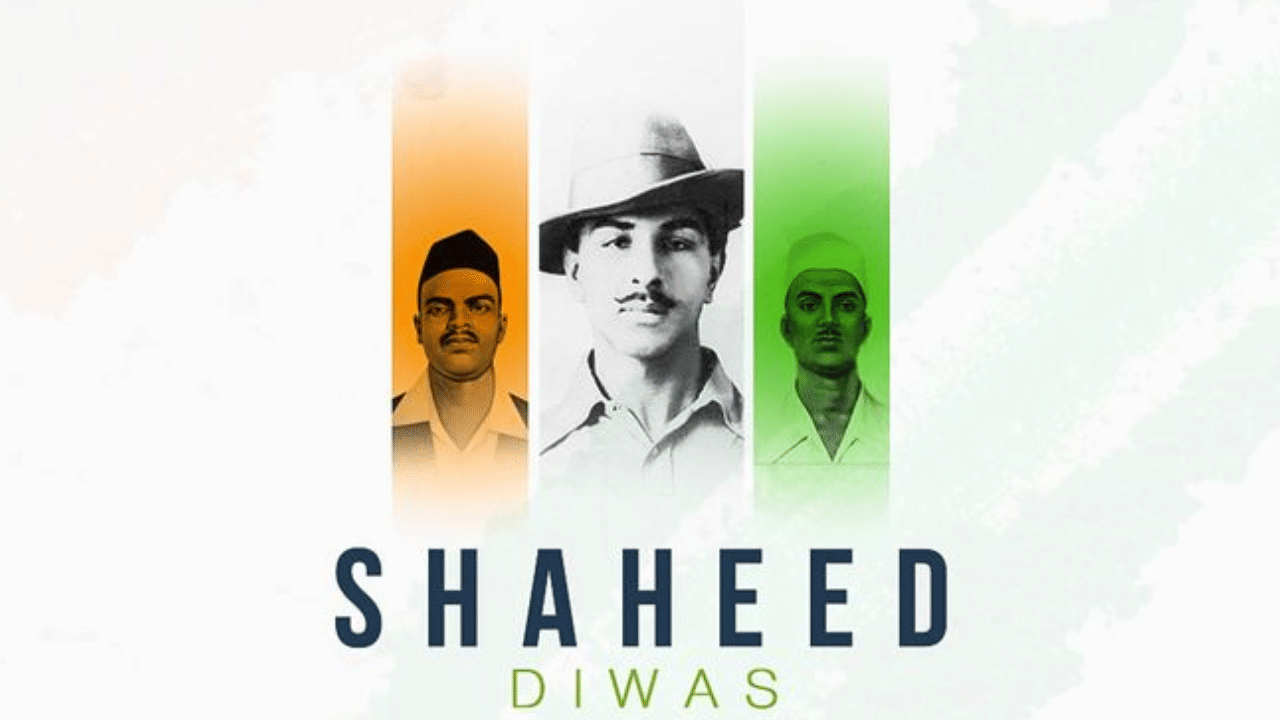
New Delhi: As India approaches Shaheed Diwas 2026 on 23 March, the nation pauses to honour the indomitable spirits of its freedom fighters who sacrificed everything for independence. This poignant observance, also known as Martyrs’ Day, commemorates the hanging of Bhagat Singh, Sukhdev Thapar, and Shivaram Rajguru by British colonial forces in 1931, igniting a flame of patriotism that still burns bright today. Amidst bustling modern life, Shaheed Diwas 2026 invites reflection on the courage that forged our sovereignty, reminding us that liberty’s price was paid in blood and unwavering resolve. Schools, communities, and leaders nationwide prepare tributes, ensuring younger generations grasp the profound cost of freedom.
Delve deeper into Shaheed Diwas 2026, and one encounters stories of heroism that transcend time, blending revolutionary zeal with selfless devotion. Imagine the hushed tension in Lahore Central Jail on that fateful night—such vivid echoes make history palpable. This day transcends mere remembrance; it challenges us to embody those values in contemporary India.
Shaheed Diwas history 2026
Shaheed Diwas traces its roots to 23 March 1931, when Bhagat Singh, Sukhdev, and Rajguru were executed for their roles in avenging Lala Lajpat Rai’s death and protesting British tyranny through the Lahore Conspiracy Case. This event galvanised the independence movement, transforming personal sacrifices into a national clarion call against oppression. Observed annually with solemn ceremonies, silent processions, and educational programmes, it underscores the collective struggle from the 1857 Revolt to 1947.
The significance of Shaheed Diwas 2026 lies in its role as a beacon of unity and resilience, urging citizens to safeguard democratic ideals amid global challenges. It fosters patriotism through nationwide tributes, including two minutes of silence at 12:01 PM, honouring not just three icons but all unsung heroes. By reflecting on these sacrifices, India recommits to justice, equality, and non-violence, ensuring the martyrs’ legacy endures.
Shaheed Diwas 2026: Top martyrs to honour on this day
1. Bhagat Singh: Revolutionary firebrand
Bhagat Singh, executed at 23, symbolised fearless defiance, bombing the Central Legislative Assembly to protest repressive laws and authoring poignant jail writings on socialism. His cry “Inquilab Zindabad” rallied millions, cementing his status as a youth icon in India’s freedom struggle.
2. Chandrashekhar Azad: Oath of freedom
Chandrashekhar Azad vowed never to be captured alive, upholding it by self-inflicted gunshot in Allahabad’s Alfred Park in 1931 after a fierce shootout with British police. As Hindustan Socialist Republican Association leader, his daring raids like Kakori amplified revolutionary fervour.
3. Rani Lakshmibai: Warrior queen of Jhansi
Rani Lakshmibai led Jhansi’s defence in the 1857 Revolt, famously declaring “I shall not surrender my Jhansi,” before falling valiantly at Gwalior. Her sword-wielding horseback charge inspired women and rebels alike against British annexation.
4. Lala Lajpat Rai: Punjab Kesari
Lala Lajpat Rai succumbed to injuries from a brutal lathi charge protesting the Simon Commission in 1928, his death sparking Bhagat Singh’s retaliatory actions. Known as Punjab’s Lion, his writings and leadership in the Swaraj Party advanced non-cooperation ideals.
5. Ashfaqulla Khan: Kakori hero
Ashfaqulla Khan, hanged in 1927 for the Kakori Train Robbery funding revolutionaries, bridged Hindu-Muslim unity in the Hindustan Republican Association. His poetic defiance—”My head bows only to God”—epitomised interfaith solidarity in the freedom fight.
On Shaheed Diwas 2026, let us pledge to honour these martyrs by nurturing a united, progressive India true to their vision. Their sacrifices demand our vigilance.