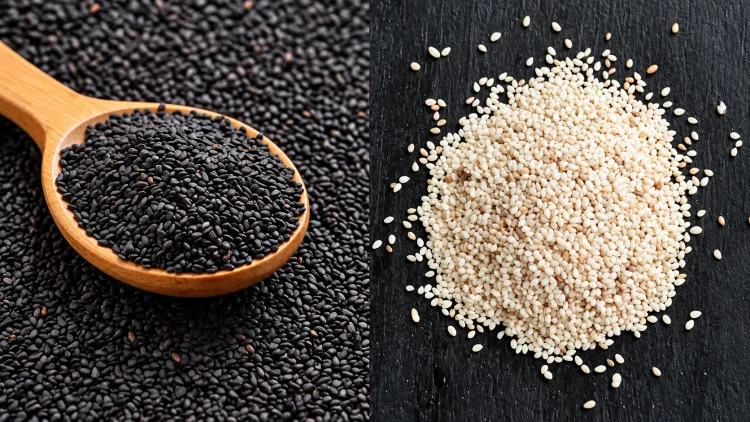
Sesame Seeds – As winter arrives, sesame seeds become a familiar ingredient in many Indian kitchens. From til laddoos and gajak to crunchy chikki, these tiny seeds are widely enjoyed during the colder months. Along with their distinctive nutty flavour, they provide nutrients such as healthy fats, protein, fibre, calcium, magnesium and iron. Sesame seeds are commonly available in two varieties: white and black. Although both can be part of a balanced diet, their outer layers and nutritional composition differ. Nutritionist Shweta Panchal explains how these varieties compare and what to consider when choosing between them.
What makes white sesame seeds beneficial?
White sesame seeds are generally processed to remove their outer dark hull. According to nutritionist Shweta Panchal, removing this layer changes the mineral composition of the seeds and can make some nutrients, including calcium, more available for absorption.
These seeds contain healthy fats and minerals that contribute to overall nutrition. Their mild flavour also makes them easy to include in everyday meals, whether you prefer traditional Indian preparations or modern recipes.
Some potential dietary benefits include:
- Bone health: White sesame seeds provide calcium, which plays an important role in maintaining strong bones and teeth.
- Women’s nutrition: Their calcium content can help support nutritional requirements during different stages of life, including the years around menopause.
- Skin and joint health: Healthy fats and other nutrients contribute to normal skin function and overall body health.
- Everyday calcium intake: They can be a useful addition to meals for adults and children who need more calcium-rich foods.
How can you include white sesame seeds in meals?
White sesame seeds have a mild, slightly sweet, nutty flavour. You can sprinkle them over salads, add them to homemade chutneys or use them while preparing laddoos and other snacks. They are also used to make tahini, a sesame-based paste popular in several cuisines.
Roasting them lightly can enhance their flavour. However, people with digestive sensitivities should pay attention to portion sizes, as individual tolerance can vary.
What are the benefits of black sesame seeds?
Unlike hulled white sesame seeds, black sesame seeds generally retain their outer layer. This layer contains plant compounds, including antioxidants, and contributes to their distinctive dark colour. Black sesame seeds also provide minerals such as iron, zinc and magnesium.
Nutritionist Shweta Panchal highlights their nutritional value, particularly for people looking to include more iron-containing foods in their diet.
Some of their nutritional advantages include:
- Iron intake: Black sesame seeds contain iron, which is needed for haemoglobin production and oxygen transport in the body.
- Antioxidant content: Their outer layer contains plant compounds that help protect cells against oxidative stress.
- Mineral supply: They provide nutrients such as magnesium and zinc, which support several normal body functions.
- Hair health: Their nutrients can contribute to a balanced diet that supports normal hair health, although eating sesame alone cannot prevent or treat hair loss.
- Energy metabolism: Iron and magnesium play roles in important processes involved in energy production.
Black sesame seeds have a stronger, more pronounced flavour than the white variety. Since they retain their outer covering, some people may find them slightly heavier to digest.
White or black sesame seeds: Which should you choose?
The better option depends on your nutritional priorities rather than the colour of the seeds alone.
| Nutritional priority | Variety to consider |
|---|---|
| Increasing calcium intake | White sesame seeds |
| Adding plant-based iron | Black sesame seeds |
| Supporting bone nutrition | White sesame seeds |
| Getting antioxidant-rich plant compounds | Black sesame seeds |
| Adding variety to everyday meals | Both varieties |
If you want to include more iron-containing foods in your diet, black sesame seeds can be a useful choice. For those focusing on calcium intake, white sesame seeds are another option. However, the actual nutritional value depends on the product and how it has been processed.
It is also important to remember that sesame seeds are not a treatment for anaemia, thyroid disorders, PCOS or hair loss. Anyone experiencing persistent fatigue, hair fall or suspected nutritional deficiencies should seek medical advice and consider appropriate blood tests.
How much sesame should you eat daily?
According to the nutritionist’s suggestion, around one to two teaspoons of sesame seeds can be included in your daily diet. You can use either variety or alternate between white and black seeds to enjoy their different flavours and nutritional profiles.
Add them to salads, vegetable dishes, chutneys, porridge or homemade snacks. Since sesame seeds are calorie-dense and contain healthy fats, moderate portions are a sensible approach.
Ultimately, both varieties offer nutritional benefits. Rather than treating one as universally superior, choose according to your dietary requirements and enjoy them as part of a varied, balanced eating pattern.