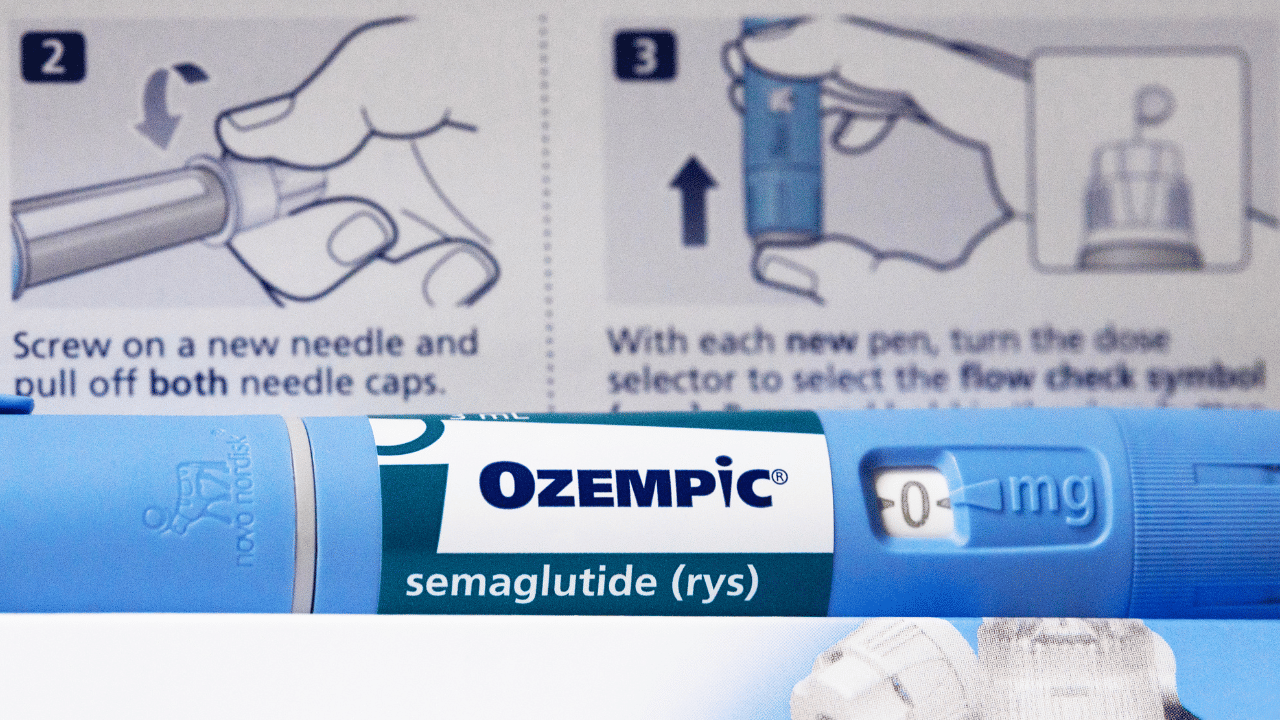
New Delhi: The buzz around affordable semaglutide is intensifying as its patent expires in India this March 2026, paving the way for over 50 branded generic versions from companies like Sun Pharma, Zydus Lifesciences, and Dr. Reddy’s Laboratories. Previously priced at ₹8,000–₹16,000 monthly, these generics could slash costs to ₹3,000–₹5,000, making weight loss and diabetes management accessible to millions grappling with obesity and type 2 diabetes. Yet, as excitement builds for cheap semaglutide alternatives, whispers of concern emerge: will lower prices compromise drug safety? This blog explores whether the promise of affordable obesity treatment truly holds, or if health risks and side effects demand caution.
Imagine a future where semaglutide injections—hailed for dramatic weight loss and blood sugar control—fit everyday budgets without prescription hurdles or counterfeit scares. But with regulators issuing safety alerts amid self-medication temptations, the question lingers: are you prepared for potential pitfalls? Delve deeper as we unpack the realities behind this semaglutide boom in India.
Semaglutide Patent Expiry explained
Semaglutide’s key patent in India ends on 20 March 2026, enabling domestic manufacturers to launch generic versions as early as 21 March. Pioneers like Sun Pharma (Noveltreat, Sematrinity) and Zydus (Semaglyn) are set to introduce prefilled pens at nearly 50 per cent lower prices, potentially doubling the ₹1,400 crore weight-loss market. This shift promises broader access but raises queries on quality consistency across brands.
Common side effects of Semaglutide
Most users encounter mild-to-moderate gastrointestinal issues with semaglutide, including nausea, vomiting, diarrhoea, constipation, and abdominal pain, which often lessen over time. These affects initially but are transient for many.
Semaglutide carries risks of pancreatitis, gallbladder disorders like cholelithiasis, acute kidney injury, and hypoglycemia—particularly with higher doses or in diabetics. Rare cases link it to vision changes, diabetic retinopathy worsening, and intestinal issues such as gastroparesis.
Semaglutide Safety in India
Post-patent, Indian generics from reputed firms must meet CDSCO standards, mirroring innovator efficacy if properly manufactured. No widespread safety lapses anticipated, but vigilance against unverified sellers is essential amid the boom. Experts urge medical supervision over DIY use, especially with BMI nuances in Indian populations. How will you ensure authenticity?
Affordable semaglutide can lead to transformative access for diabetes and obesity care in India, yet prioritising regulated generics under medical guidance minimises safety risks and side effects. Stay informed, consult professionals—your health merits no compromise.