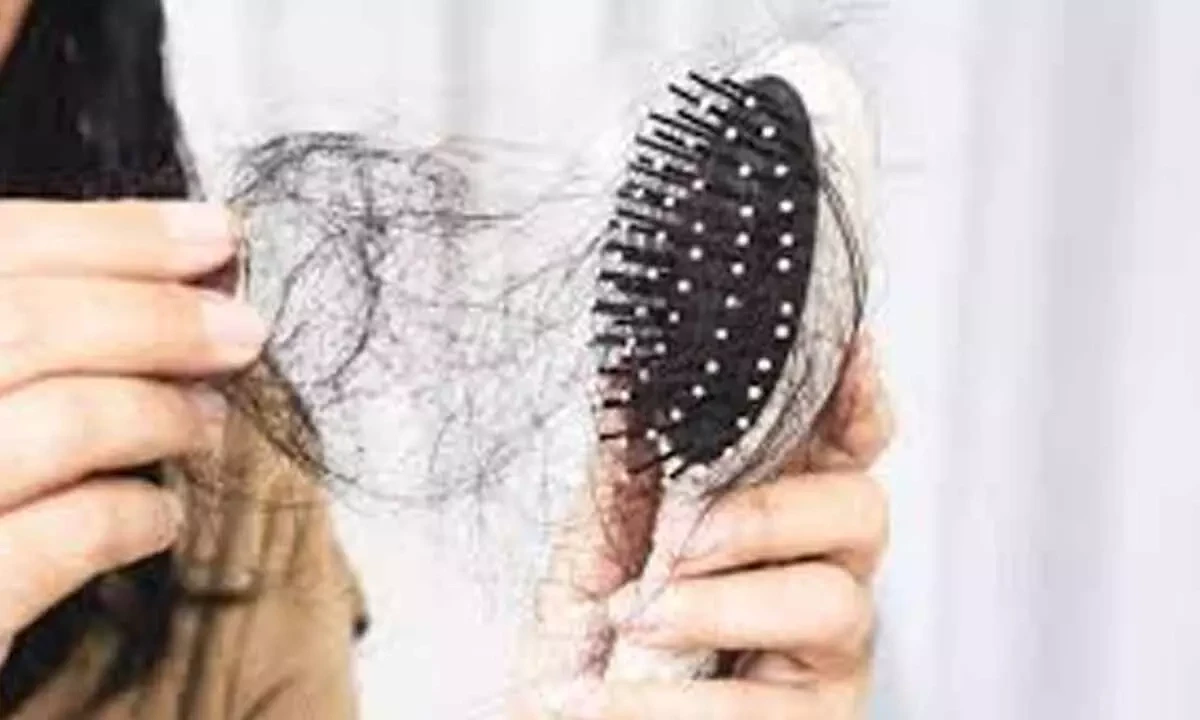
As temperatures drop, hair concerns tend to rise. Winter is commonly associated with increased hair fall, brittle strands, and a scalp that feels dry, tight, or itchy.
Seeing more hair on pillows, combs, or in the shower can be worrying, but in most cases, winter hair fall is a seasonal response rather than a serious problem. The real issue lies not with the hair itself, but with how cold weather alters the scalp environment.
Why Hair Fall Increases During Winter
Winter air holds very little moisture. When cold outdoor air combines with warm indoor heating, it creates extremely dry conditions that strip natural oils from the scalp. This leads to dehydration, flakiness, and a weakened scalp barrier. As a result, hair roots become less secure, making strands more prone to shedding.
Indoor heating further worsens the problem by disrupting the scalp’s natural lipid balance. Irregular hair care routines during winter can also contribute, allowing dryness and buildup to accumulate unnoticed.
Dry Scalp, Brittle Strands, Weaker Roots
Dehydration is one of the biggest triggers of winter hair fall. Lack of moisture makes hair strands brittle, increasing breakage during combing, washing, or styling. At the same time, people tend to wash their hair less frequently in winter, which can cause product buildup and clogged follicles, aggravating hair shedding.
Cold temperatures can also slightly reduce blood circulation in the scalp. While this does not stop hair growth, it can shift more hair into the natural shedding phase, making hair fall appear more dramatic during the season.
The Role Of Diet And Daily Habits
Winter lifestyle changes quietly affect hair health. Reduced water intake, fewer fresh fruits and greens, and higher stress levels can weaken hair from within. Nutritional gaps, especially in proteins, iron, zinc, and essential fatty acids, make strands more fragile and prone to falling out.
Daily habits also matter. Hot showers, frequent heat styling, and aggressive brushing worsen dryness and breakage. Covering the head in extreme cold helps retain moisture, but unclean scarves, caps, or helmets can irritate the scalp and trigger further hair fall.
How To Control Winter Hair Fall Effectively
Healthy winter hair care starts with scalp protection. Using a gentle, moisturising shampoo and avoiding excessive washing helps retain natural oils. Lukewarm water is far better than hot water, which strips moisture quickly.
Light oil massages can improve circulation and hydration, but over-oiling should be avoided to prevent clogged pores. Scalp-focused products with nourishing botanical ingredients, vitamins, and strengthening nutrients help maintain moisture balance and resilience.
Nutrition is equally important. A balanced diet rich in proteins, omega-3 fatty acids, iron, and zinc – found in foods like nuts, seeds, eggs, lentils, and leafy vegetables – supports stronger hair growth from within.
When To Worry And When Not To
A certain amount of hair fall during winter is normal and temporary. In most cases, shedding reduces once humidity levels improve and scalp hydration is restored. Panic-driven treatments and harsh hair practices often cause more harm than the season itself.
By focusing on scalp hydration, gentle routines, balanced nutrition, and mindful styling, hair can remain strong throughout winter – and often looks healthier and shinier as spring arrives.