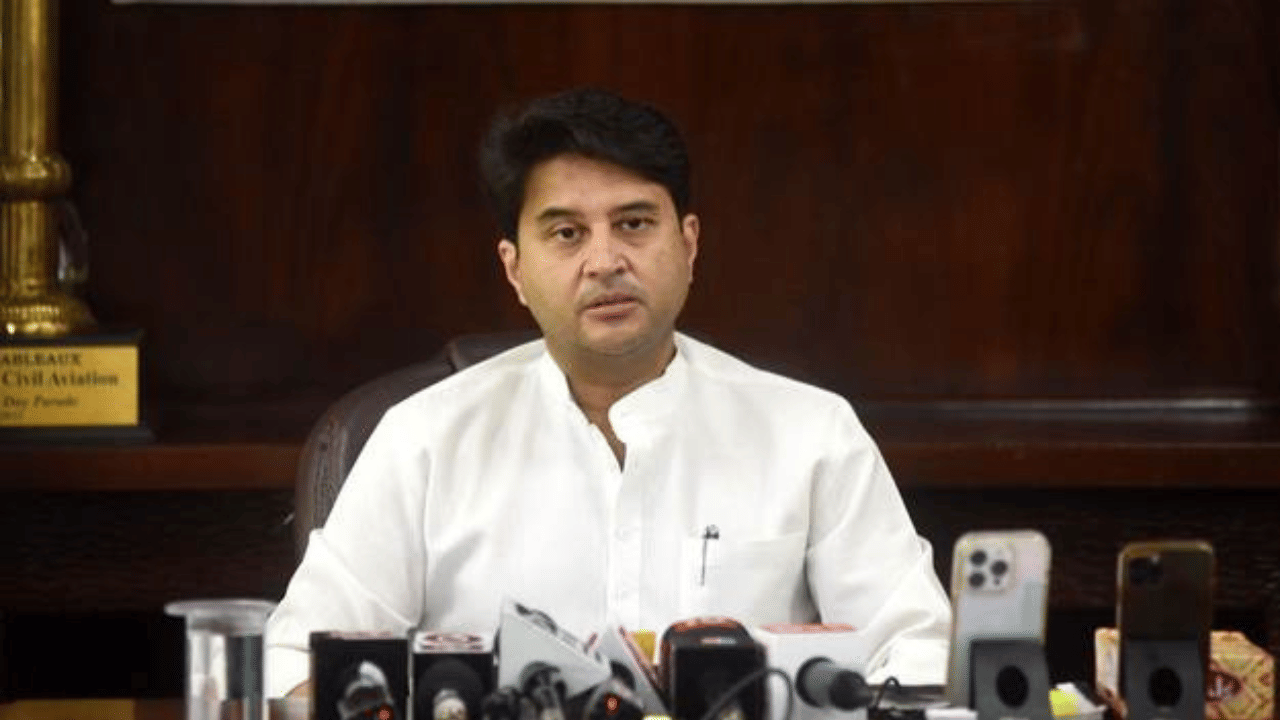
New Delhi: Satellite internet in India is edging closer, but it is not fully here yet. Union Telecom Minister Jyotiraditya Scindia has made it clear that companies like Elon Musk-owned Starlink will only roll out services after they meet security requirements set by Indian agencies. For now, Starlink, Eutelsat One, and Jio SGS are all waiting in line while departments finalise spectrum pricing and security approvals.
As per PTI, Scindia explained that spectrum allocation is coming soon, but it depends on the Department of Telecommunications and the Telecom Regulatory Authority of India finishing their work. The minister said there are still two things that must be addressed. Security compliance and spectrum pricing need to be aligned before commercial satellite internet truly begins in India. Until then, companies have to prove they can meet India’s security expectations.
Starlink, security rules and spectrum puzzle
Scindia said licence holders like OneWeb, Reliance Jio and Starlink first need to follow security clearances linked to international gateways and ensuring data stays in India. He said, “There are two issues that need to be addressed. One by the licence holders OneWeb, Reliance Jio, and Starlink, which is to comply with security clearances regarding international gateways, ensuring data remains in India, and so on.” The government has already given provisional spectrum, only to test whether companies can actually comply.
He added that they “are in the process of doing that, so they need to comply.” On spectrum pricing, Scindia said the matter is being handled by DoT and TRAI and “hopefully that should be resolved soon.” But this is not smooth yet. TRAI and DoT do not fully agree on some pricing details. TRAI recently rejected some DoT proposals, and the Digital Communication Commission will now review and decide how to move forward.
Vodafone Idea issue still open
Scindia also spoke about Vodafone Idea’s situation. He said there has been no fresh relief yet and the matter is still “work in progress” within DoT. He reminded that the government already converted dues into equity and now holds about 49 percent stake in the company.
For satellite internet users in India, the message is straightforward. The service will come, but only after Starlink and others pass every rule, prove data protection, and once spectrum issues are settled.