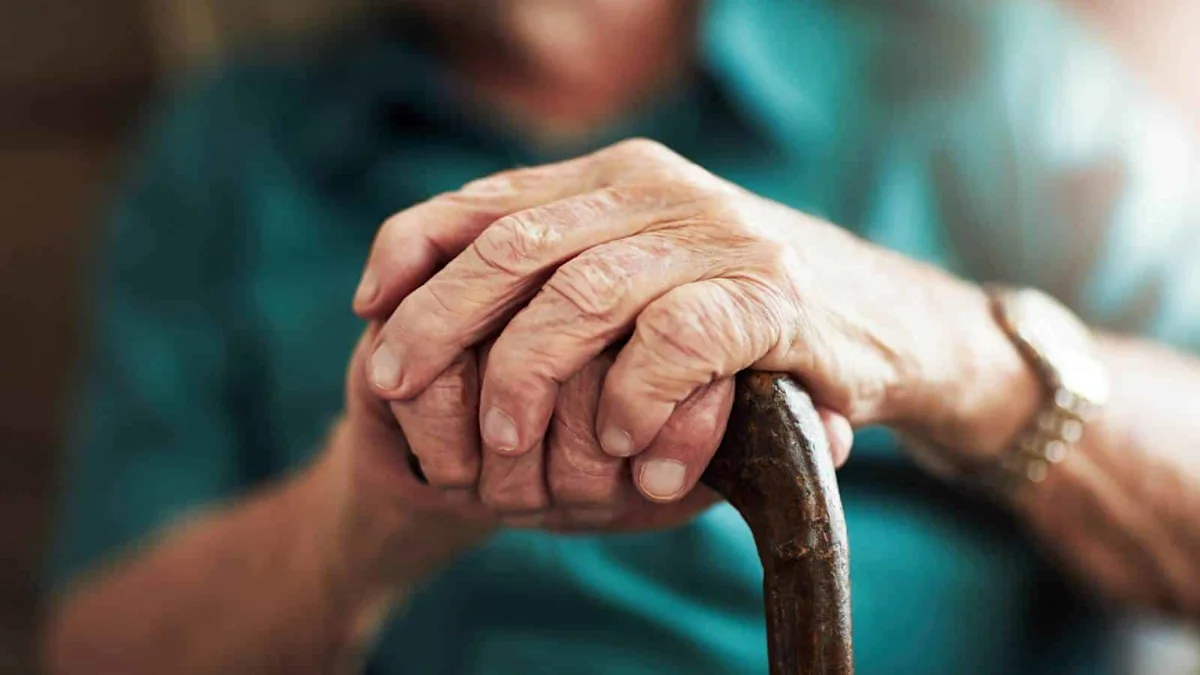
For years, people have searched for the secret to staying healthy in old age.
The hope is often that science will discover one breakthrough that changes everything, one treatment, one discovery, or one hidden factor that explains why some people remain healthier as they grow older.
But researchers studying aging keep finding a different story.
The clues are not hidden in one dramatic answer. They appear in the everyday habits and conditions that shape health over many years.
The question is becoming more important as more people live longer. The World Health Organization reports that the global population aged 60 and older reached about 1 billion in 2020 and is expected to reach 1.4 billion by 2030.
The science of healthy aging is revealing a simple message: staying healthy in old age is less about one miracle solution and more about the choices and conditions that shape a person’s life over time.
The Search For Healthy Aging Starts Before Old Age
Researchers are finding that the foundation for healthy aging is built long before people reach their later years.
Aging does not begin suddenly when someone gets older. Changes happen gradually throughout the body over time.
Scientists at the study how the body changes as people grow older, including the molecular, physiological, and evolutionary mechanisms involved in aging.
But understanding healthy aging is not only about what happens inside the body. Research and public health guidance have also identified everyday factors linked with healthier aging, including staying physically fit, eating well, getting enough sleep, avoiding smoking and limiting alcohol, maintaining social contacts, and reducing chronic stress where possible.
These factors do not guarantee that someone will avoid every health challenge later in life. They are part of a larger picture that researchers continue to study.
Why Movement Matters More As People Get Older
One of the biggest goals of healthy aging is helping people maintain the ability to live independently.
Growing older does not only involve adding more birthdays. For many people, the quality of those years depends on whether they can keep doing everyday activities, moving comfortably, and caring for themselves.
This is why physical activity remains a major part of aging research and public health recommendations.
The Centers for Disease Control and Prevention recommends that adults aged 65 and older get at least activity each week, muscle strengthening activities on two or more days each week, and activities that improve balance.
The reason is straightforward: maintaining physical ability can help older adults preserve independence and continue participating in daily life.
The Everyday Habits That Continue to Appear in Aging Research
The habits linked with healthy aging are familiar because they support health throughout life.
Researchers continue examining how daily choices influence health as people get older.
Nutrition is one area that has received attention. The Mediterranean diet, which includes foods such as fruits, vegetables, nuts, fish, and olive oil, has been studied for its links to markers of healthier aging.
Sleep is another important area of research. Scientists continue exploring how sleep patterns connect with overall health and wellbeing.
The Max Planck Institute also identifies factors such as avoiding cigarettes, limiting alcohol, maintaining social contacts, and reducing chronic stress as part of discussions around healthy aging.
The message is not that one habit controls the future. Rather, long-term patterns can shape how people experience later life.
Growing Older Is Not Only a Personal Journey

Image Credit: PeopleImages/Shutterstock
Healthy aging is shaped by more than individual choices; the world around people also matters.
The World Health Organization has emphasized that no two older people are the same. Two people who are the same age can have very different levels of physical and mental ability.
That difference shows why biology alone cannot explain aging.
People’s surroundings, relationships, and access to support can all .
The conversation around healthy aging is therefore becoming broader. It is not only about what individuals do, but also about the conditions that allow people to remain healthy as they grow older.
What Science Still Cannot Promise
Researchers have learned more about aging, but they have not found a way to stop the process or guarantee a longer life.
Scientists continue studying how aging happens and which factors may influence health in later years.
Animal research has helped scientists understand parts of aging biology, but those findings do not automatically translate to humans.
Current science does not show that aging can be completely stopped.
The most interesting discovery may be that healthy aging is not built around a single secret. Many small decisions and circumstances shape it over time. As researchers continue studying how people age, the focus is becoming clearer: not how to avoid growing older, but how to make those years healthier and more fulfilling.