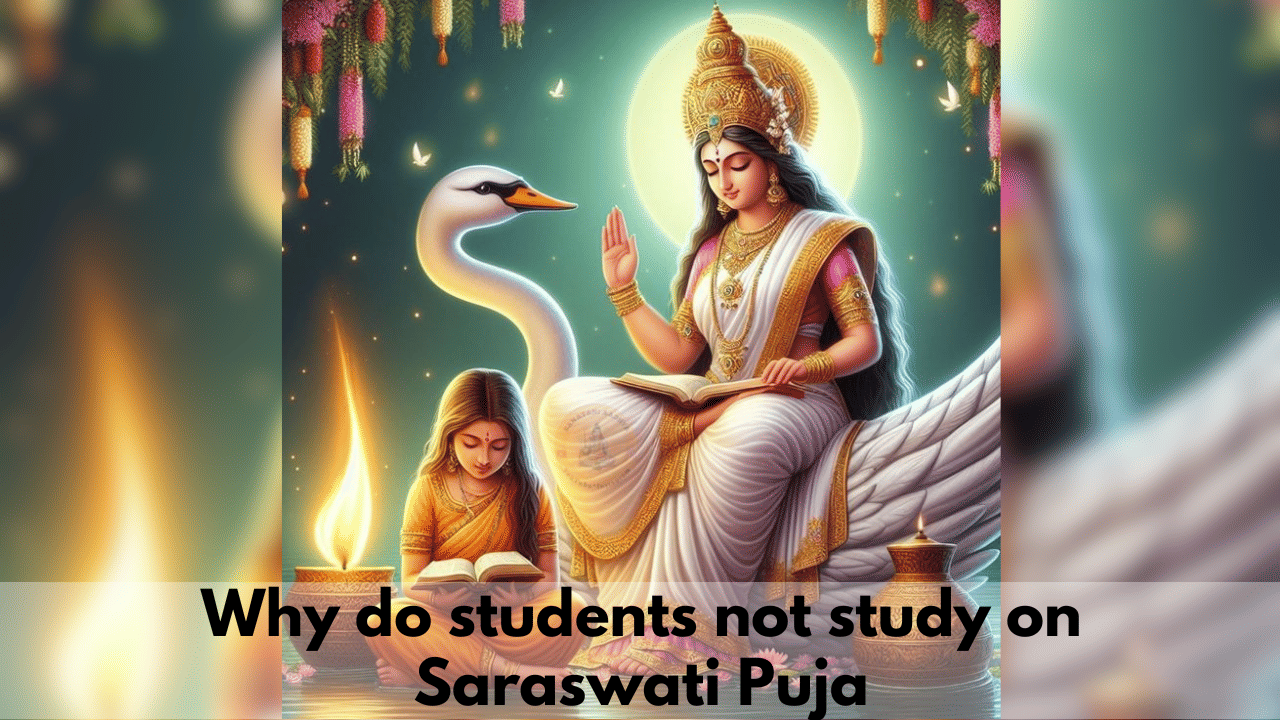
New Delhi: Saraswati Puja, also known as Vasant Panchami, lights up homes across India with its vibrant yellow hues and prayers for wisdom. As Saraswati Puja 2026 approaches on 23 January, it’s the perfect moment to explore why this festival blends devotion with a quirky no-study rule. Families gear up for rituals honouring Goddess Saraswati, the embodiment of knowledge, music, and arts, while kids place books at her feet. Curious about the meaning, history, and why Saraswati Puja is dedicated to knowledge? It’s more than just a day off—it’s a celebration of learning’s true spirit. Have you ever wondered why pens stay down on this big day?
Diving deeper, Saraswati Puja and education share a sacred bond, yet studies take a backseat for one meaningful reason. Picture yellow flowers, sweet offerings, and chants filling the air as spring knocks. This festival isn’t just about rituals; it’s a reminder that knowledge blooms with respect and focus. Ready to uncover the why studies are avoided on Saraswati Puja and its timeless rituals? Let’s break it down step by step.
What is Saraswati Puja and why do we celebrate it?
Saraswati Puja falls on Vasant Panchami, the fifth day of Magha’s bright half, marking spring’s arrival with mustard fields in bloom. Devotees worship Goddess Saraswati—depicted in white with a veena, book, and swan—for blessings in learning and creativity. From Bengal’s grand pandals to homes in Delhi, rituals include Haate Khori, where kids write their first letters. Why join in? It kickstarts education journeys and invites wisdom.
Why the Saraswati Puja is dedicated to knowledge
Goddess Saraswati emerged from Brahma’s mouth to bring order to creation, as per Brahma Vaivarta Purana, making her the patron of the Vedas and wisdom. Lord Krishna once worshipped her on this day for knowledge, linking it to divine learning quests. Yellow signifies prosperity and intellect, with offerings like sweets and books placed before her idol. This dedication reminds us that knowledge trumps ignorance. Does her Veena inspire your creative side?

Why studies are studies avoided on Saraswati Puja
A regional custom, especially in West Bengal and Assam, calls for “anadhayana”—no studying or writing—to honour Maa Saraswati fully, letting her energies flow without distraction. Books become offerings, symbolising surrender to the goddess for pure blessings. It’s not a scriptural stricture everywhere, but a tradition for mental clarity post-puja. Think of it as a reset before diving back into books.
Saraswati Puja 2026: Tithi, muhurat, and key timings
Mark your calendars: Saraswati Puja 2026 is on Friday, 23 January. Panchami Tithi begins 23 Jan, 02:28 AM, ends 24 Jan, 01:46 AM. Auspicious muhurat (Delhi): 07:13 AM to 12:33 PM (5h 20m). Perform puja in Purvahna Kala for best vibes—offer yellow flowers, chant mantras. Regional tweaks apply; check local panchang. Got your setup ready for the 23rd?
Saraswati Puja 2026: Rituals to attain blessings of Maa Saraswati
These steps blend tradition with ease, inviting wisdom’s blessings. Picture your altar alive with yellow—grab your setup and follow along.
-
Purifying bath: Begin with a dawn bath using neem-turmeric water for an inner cleanse. Wear yellow or white clothes to honour Saraswati’s grace. It sets a sacred tone for knowledge vibes.
-
Altar setup: Clean northeast corner, and spread yellow cloth. Place the idol, books, pens, and veena. Add Ganesha first to remove hurdles. A clean mandir sparks divine energy instantly.
-
Ganesha puja: Offer flowers, incense, and modak to Lord Ganesha. Chant “Om Gan Ganapataye Namah” 108 times to clear the path for Saraswati Maa’s arrival smoothly.
-
Saraswati invocation: Recite Dhyana Mantra: “Om Saraswatyai Cha Vidmahe.” Light a ghee diya and show incense to the idol. Welcomes her with pure devotion and focus.
-
Offerings (Panchopchar): Give padya, arghya, flowers (palash), fruits and kheer sweets to Lord Saraswati. Apply sandal tilak. Each item symbolises respect for learning’s goddess.
-
Mantra chanting: Chant Beej Mantra “Om Aim Saraswatyai Namah” 108 times. Add Chalisa or Vandana. Boosts memory and wisdom blessings effectively.
-
Aarti and Prasad: Sing “Om Jai Saraswati Mata” aarti, circle lamp over idol. Share kheer prasad with family. It seals the puja’s magic.
-
Haate Khori (Kids): Post-puja, kids write first letters on slate with honey. It marks the start of the education under Maa Saraswati’s gaze. Sweet tradition for beginners.
-
Visarjan next day: Immerse the idol in water by thanking the almighty. Chants close the ritual. Keeps blessings flowing year-round smoothly.
In essence, Saraswati Puja weaves faith, knowledge, and renewal, urging us to respect learning’s source. Embrace the yellow spirit on 23 January 2026 for wisdom’s blessings that last all year.