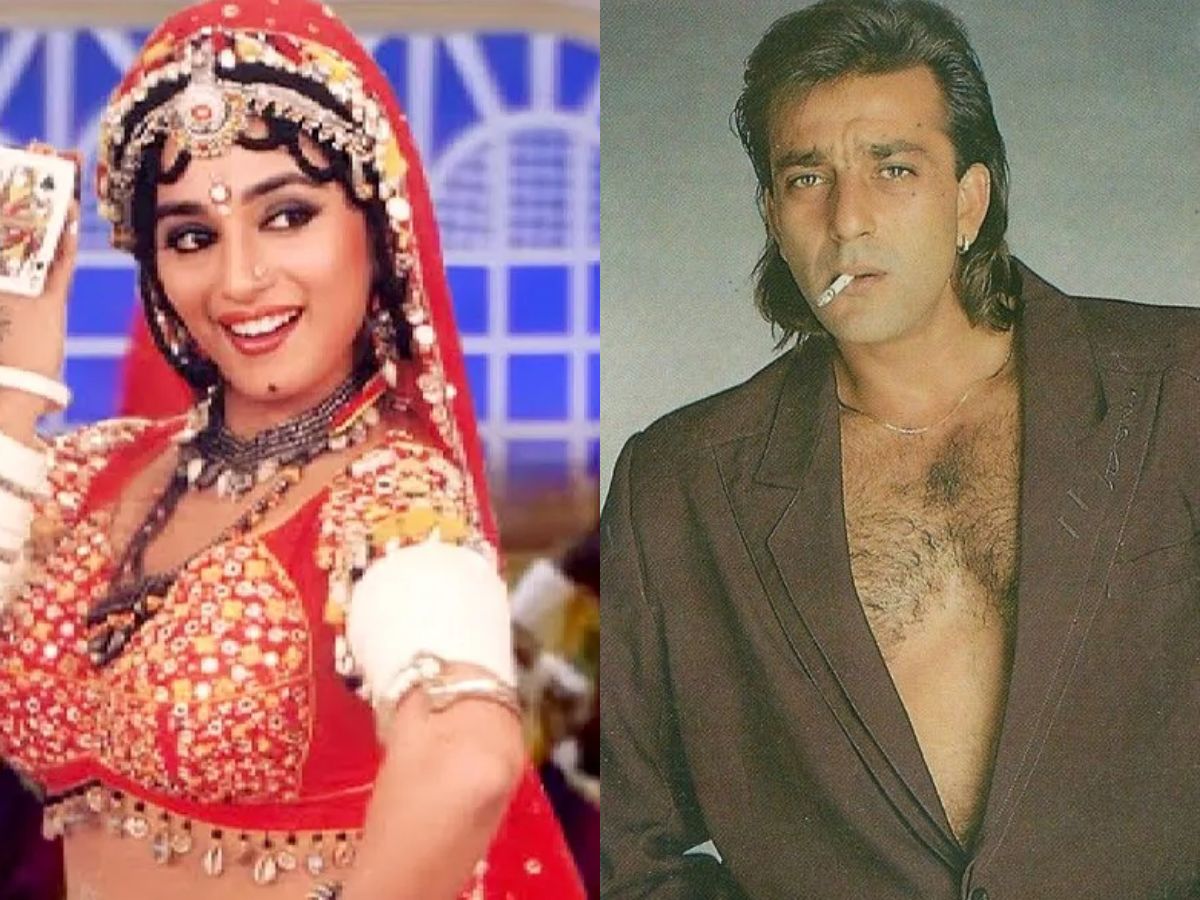
Few Hindi films have had their real-life controversies become as closely associated with their identity as Subhash Ghai’s Khal Nayak. Released in 1993, the Sanjay Dutt, Madhuri Dixit and Jackie Shroff-starrer was surrounded by protests over its music, legal uncertainty and a major development in its leading actor’s life shortly before its theatrical release.
Decades later, Ghai has revisited the turbulent period, recalling how objections to “Choli Ke Peeche Kya Hai” threatened the film’s release, how Dutt’s arrest changed public perceptions of the project and how he later received extortion calls that he attributed to the underworld. The controversies unfolded at different points, but together they offer a glimpse into the pressures surrounding one of the most talked-about Hindi films of the 1990s.
Why Did Choli Ke Peeche Kya Hai Face Protests?
The controversy surrounding “Choli Ke Peeche Kya Hai” became one of the biggest talking points around Khal Nayak. The song, featuring Madhuri Dixit on screen, faced objections over its lyrics, with several organisations reportedly demanding that the film be stopped from releasing.
In a conversation with Times Now, Ghai recalled that around 32 organisations opposed the song and that protests took place in cities including Pune and Delhi. He said he met the groups personally and attempted to persuade them to watch the film before judging the song.
Ghai maintained that the number had been conceived as a folk song and was intended to fit the film’s narrative. However, its lyrics were considered vulgar by critics, turning a film song into a larger debate over artistic expression and public morality. The controversy also created uncertainty over whether the song would survive the certification process. Ghai said he feared the Censor Board might cut it, but the song was retained.
How Did Bal Thackeray Become Involved In The Khal Nayak Controversy?
Ghai recalled approaching Shiv Sena founder Bal Thackeray after members of the organisation also joined the protests. According to the filmmaker, Thackeray watched Khal Nayak and subsequently defended the film in the party newspaper Saamana. Ghai said this intervention helped change the atmosphere around the release.
The filmmaker also recalled that a court hearing concerning the song was still underway on the day of a Delhi premiere. According to his account, the verdict allowing the film to be released arrived at approximately the time the premiere was scheduled to begin. The episode added another layer to the controversy: the film’s fate was being debated not just by audiences and protest groups, but also in political and legal circles.
Why Was Sanjay Dutt Arrested Before Khal Nayak’s Release?
Another major controversy emerged when Dutt was arrested on April 19, 1993, in connection with the illegal possession of firearms amid the investigation into the March 1993 Mumbai serial blasts. Dutt was accused of possessing weapons, including an AK-56 rifle. His arrest came shortly before Khal Nayak reached theatres, creating an unusual overlap between the actor’s real-life legal troubles and his on-screen character, Ballu, a wanted criminal.
Ghai later recalled that the news immediately prompted people to draw parallels between Dutt and the film’s anti-hero. The director said the timing generated enormous publicity for the film, although he also acknowledged the uncertainty surrounding its release.
The legal outcome, however, needs to be distinguished from the public perception at the time. Dutt was acquitted of charges under the Terrorist and Disruptive Activities (Prevention) Act, or TADA, but was convicted under the Arms Act. In 2013, the Supreme Court upheld his Arms Act conviction and sentenced him to five years in prison. His arrest did not establish that he had participated in the Mumbai blasts.
What Did Subhash Ghai Say About Underworld Extortion Calls?
Ghai has also spoken about receiving extortion calls during a period when members of the film industry were being targeted by criminal networks. In his recent account, the filmmaker said callers sometimes introduced themselves as admirers of his work before demanding money. He recalled reporting the calls to the police and said the extortion attempt against him did not materialise.
Ghai also observed that threats against film personalities could attract immediate publicity, making the entertainment industry an attractive target for people seeking money through intimidation. However, this part of the story belongs to a later period. Ghai referred to calls received by filmmakers and actors in 1998 and 1999, several years after Khal Nayak was released. It should therefore not be presented as an incident that occurred before the film’s premiere.
The account offers a broader look at the pressures faced by people in the industry during that period, but the details of Ghai’s recollection should remain attributed to him.
Why Is Khal Nayak Still Remembered For Its Controversies?
The film ultimately became a major success, with Dutt’s portrayal of Ballu and songs such as “Choli Ke Peeche Kya Hai” becoming enduring parts of its legacy.
Yet the controversies surrounding Khal Nayak are difficult to separate from its place in Bollywood history. The song triggered a debate about lyrics and censorship, Dutt’s arrest led to public comparisons between his real life and his character, and Ghai’s later recollections documented the wider climate of extortion threats faced by filmmakers.
The distinction is that these were not all events from the same period. The song protests and Dutt’s arrest shaped the film’s 1993 release, while Ghai’s account of underworld calls concerns a later chapter in the filmmaker’s career.