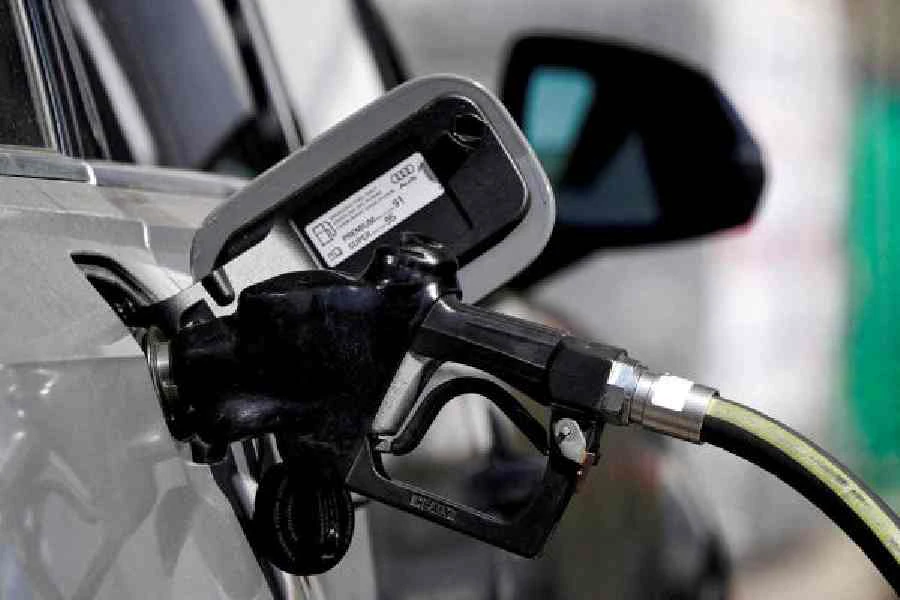
Russia plans to ban gasoline exports for the nation’s producers from April 1 to meet domestic demand as global fuel prices surge amid the war in Iran.
Russia’s gasoline exports tend to average about 100,000 barrels a day, according to data compiled by Bloomberg. That’s a fraction of the global trading volumes for the product.
At a meeting with oil producers on Friday, Novak said that “turbulence in the global market for crude oil and oil products, driven by the West Asia crisis, has led to significant price volatility,” according to the statement. The volatility comes as Russian oil products are seeing high global demand, it added.
Russia’s move, however, is unlikely to see any material impact immediately, according to Nikhil Dubey, senior refinery modelling analyst at Kpler.
“India, being a net exporter of gasoline and its blending components, is unlikely to see any material impact from Russia’s gasoline export ban. At the global level, any impact on gasoline prices is expected to be limited, as Russia’s export volumes have remained relatively modest,” Dubey told The Telegraph.
However, the oil market is already on edge with the Iran war set to enter a second month. The Strait of Hormuz, a key waterway for energy exports from the Gulf nations, has been effectively closed since late February, leading to tighter supplies worldwide. Any further restrictions in global fuel trading will only exacerbate challenges for oil-importing nations.
Notably, this is not the first time Russia has introduced such measures.
“Similar export restrictions have been implemented in the past, particularly following disruptions due to Ukrainian strikes on its refining infrastructure, with the aim of ensuring adequate domestic fuel supply,” Dubey pointed out.
Since the start of the month, the drone strikes have halted two Russian oil-processing facilities, Rosneft PJSC’s Saratov plant in the Volga region and Surgutneftegas PJSC’s Kirishi refinery near the Baltic coast. The facilities account for just under 10% of the nation’s total refinery runs, according to Bloomberg estimates.
Over the past several years, Russia has paused gasoline exports ahead of periods of high-demand like spring and autumn, when agricultural work peaks. The most recent export ban for gasoline producers was lifted only in February.