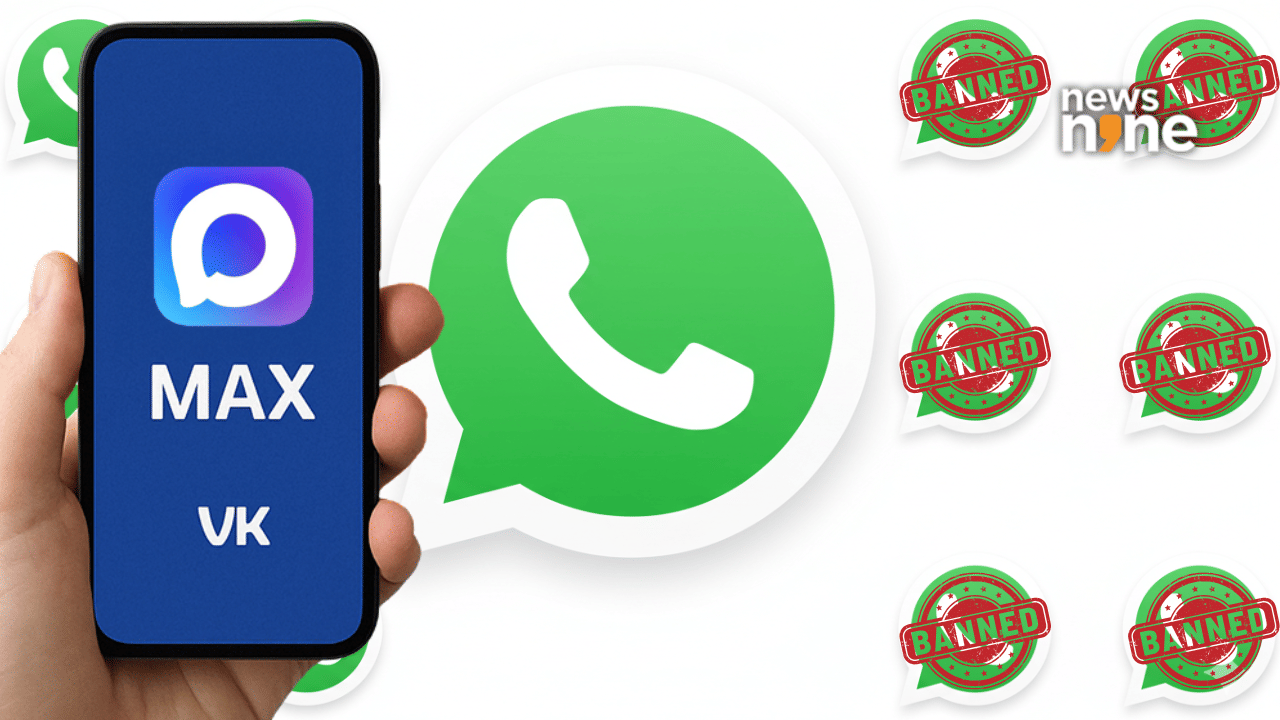
New Delhi: Russia just slammed the door on WhatsApp, and this time it looks like a full lockout. On Wednesday, February 11, 2026, Russia’s internet regulator Roskomnadzor removed WhatsApp from its official registry, a move that effectively wipes the app from the country’s normal digital ecosystem. WhatsApp had over 100 million users in Russia, so this is not some niche ban.
If you are in Russia and still want to open it, you are basically pushed to a VPN.
Today the Russian government attempted to fully block WhatsApp in an effort to drive people to a state-owned surveillance app. Trying to isolate over 100 million users from private and secure communication is a backwards step and can only lead to less safety for people in Russia.…
— WhatsApp (@WhatsApp) February 12, 2026
WhatsApp’s shutdown was a slow squeeze, then the final cut
Reports say WhatsApp had been getting quietly crippled for months. Voice calls were cut last summer, and after that the app reportedly got slower and harder to use. By December, usage was said to have dropped by 70 to 80 percent. The Wednesday registry deletion was more like the final blow than a sudden surprise.
Russia’s wider net also hit Meta’s other apps. Facebook and Instagram were removed too, after already being labelled “extremist” in the country. YouTube has not been formally banned, but users have complained about painfully slow loading.
Max is the replacement plan, critics say it can track you
The push behind this crackdown is Max, a government-supported “super-app” Russia is promoting as a replacement for foreign platforms. It’s described as being modelled on China’s WeChat, mixing messaging with services like government access, document storage, banking tools, plus regular features like money transfers and calls.
Critics fear Max could track user activity. Russian state media has rejected those allegations, calling them false. The app was developed by VKontakte (VK), which is now fully owned by the Russian government, after founder Pavel Durov sold his stake and left Russia in 2014.
Reports also say Russia has made it mandatory for smartphone makers to pre-install Max on phones and tablets sold in the country.
Russia is restricting access to Telegram to force its citizens onto a state-controlled app built for surveillance and political censorship. This authoritarian move won’t change our course. Telegram stands for freedom and privacy, no matter the pressure.
— Pavel Durov (@durov) February 10, 2026
Telegram restrictions spark backlash, even inside Russia
Russia has also been restricting Telegram, citing “the protection of Russian citizens” and accusing the app of refusing to block content officials called “criminal and terrorist.” RBC reported Roskomnadzor planned further restrictions this week, citing people familiar with the matter, and Bloomberg also referred to those plans. Reuters reported Roskomnadzor blocked Apple’s FaceTime in December.
Telegram founder Pavel Durov hit back fast: “Restricting citizens’ freedom is never the right answer,” and “Telegram stands for freedom of speech and privacy, no matter the pressure.”
There’s also a battlefield angle. Telegram is widely used by Russian troops and civilians near Ukraine for alerts about drone and missile attacks, so the pressure on Telegram is stirring anger at home too.
Can WhatsApp come back?
Kremlin spokesperson Dmitry Peskov left a narrow opening. “This is again a question of fulfilling the legislation. If the Meta corporation fulfils this and enters into dialogue with Russian authorities, then we have the possibility of reaching an agreement.” He added, “If the corporation (Meta) sticks to an uncompromising position and, I would say, shows itself unready to align with Russian legislation, then there is no chance.”