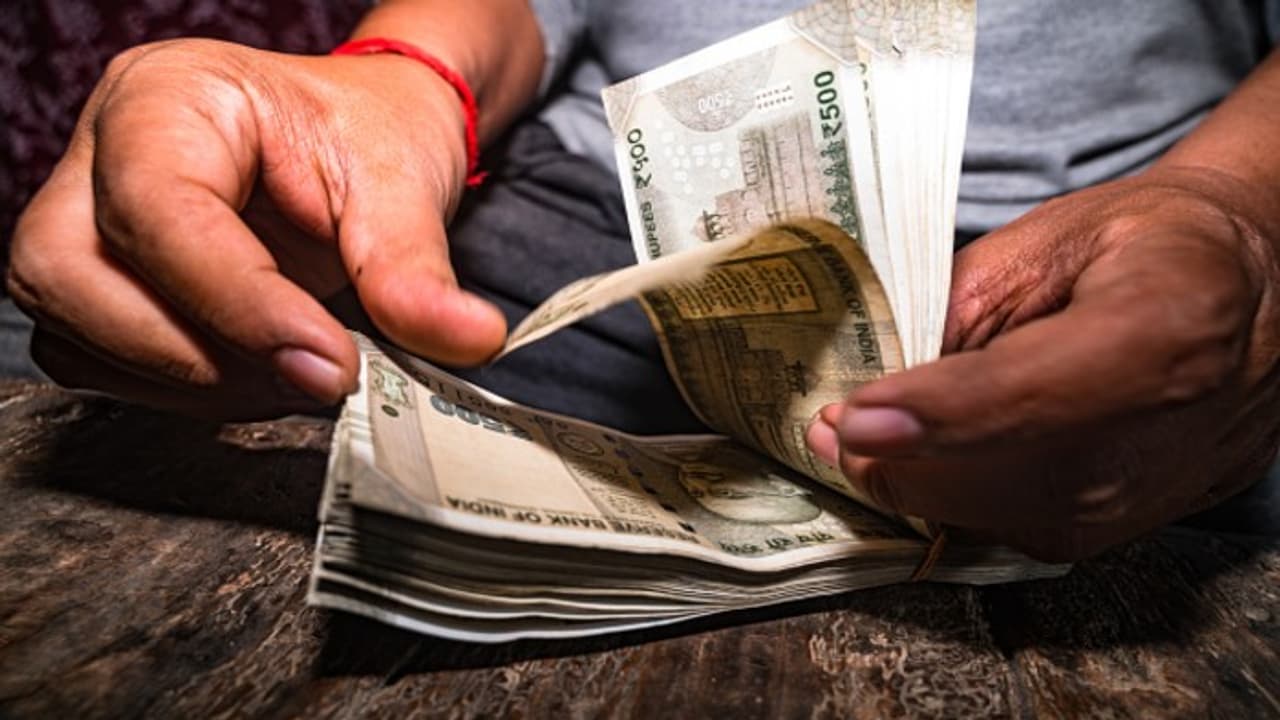
The Indian rupee has hit a record low, falling past 90 per US dollar. This depreciation increases costs for consumers by making imports like fuel, electronics, and food more expensive, thus raising inflation.
For the first time ever, the Indian rupee slipped past Rs 90 against the US dollar on Wednesday. The move from Tuesday’s 89.94 may look tiny on paper, but its impact is anything but small. This isn’t just a market headline. It affects your everyday life, from your fuel bill to your child’s education expenses, even your next mobile phone purchase.
Why This Fall Matters to You
1. Your daily expenses will rise
India imports 90% of its crude oil and relies heavily on foreign suppliers for things like electronics, fertilizers, cooking oil, and machinery.
When the rupee weakens:
- Petrol, diesel, and gas become costlier
- Imported phones, laptops, fridges, and even cars get more expensive
- Grocery prices rise because imported raw materials become pricier
- A weaker rupee = more expensive imports = higher inflation.
2. Studying abroad just got more costly
For Indian students overseas, the pain is acute. With tuition and living expenses paid in dollars:
- Annual costs could rise by Rs 5–10 lakh compared to last year
- Parents sending money abroad will feel a direct hit
Every one-rupee fall against the dollar adds thousands more to monthly bills.
3. Travel abroad becomes costlier
From flight tickets to hotel stays to international insurance, everything jumps when the rupee falls.
Why Did the Rupee Fall? Three Key Reasons
1. US–India trade tensions
Recent negotiations fell through, and the US imposed steep tariffs on several Indian exports, some increased up to 50%. This hit business confidence, exports, and ultimately the rupee.
2. Foreign investors pulled out big money
Despite good GDP numbers and moderate inflation, foreign institutional investors (FIIs) have withdrawn $17 billion from Indian equities in 2025. When dollars leave the country, the rupee drops.
3. RBI policy shift
The IMF recently reclassified India’s currency regime from “stabilized” to “crawl-like.”
This means:
- RBI is guiding the rupee’s movement
- Not aggressively defending a particular level
In simpler terms: the RBI is allowing gradual depreciation instead of fighting it.
The Bigger Picture: Why This Moment Is Different
1. The dollar isn’t the real villain this time
Unlike 2022, when a super-strong dollar weakened currencies across the globe, the US dollar is stable this time. The rupee’s fall is driven mostly by India-specific factors.
2. India has huge forex reserves
With $690 billion in reserves, the RBI has enough firepower, much more than during the 2013 crisis or the 2018 oil shock. This gives the central bank confidence to stay calm, not panic.
3. RBI’s new approach: Let fundamentals decide
Instead of blocking depreciation, the RBI seems to be allowing a controlled fall to:
- Adjust for inflation differences
- Counter trade imbalances
- Make exports more competitive after US tariffs
As analyst David Forrester of Credit Agricole puts it: “The RBI may be letting the rupee weaken slightly to support Indian exports.”