The extension of RoSCTL and RoDTEP schemes reduces hidden taxes, helping Indian exporters, especially MSMEs, price goods more competitively amid global conflicts. This move aims to boost liquidity, support employment, and enhance competitiveness.
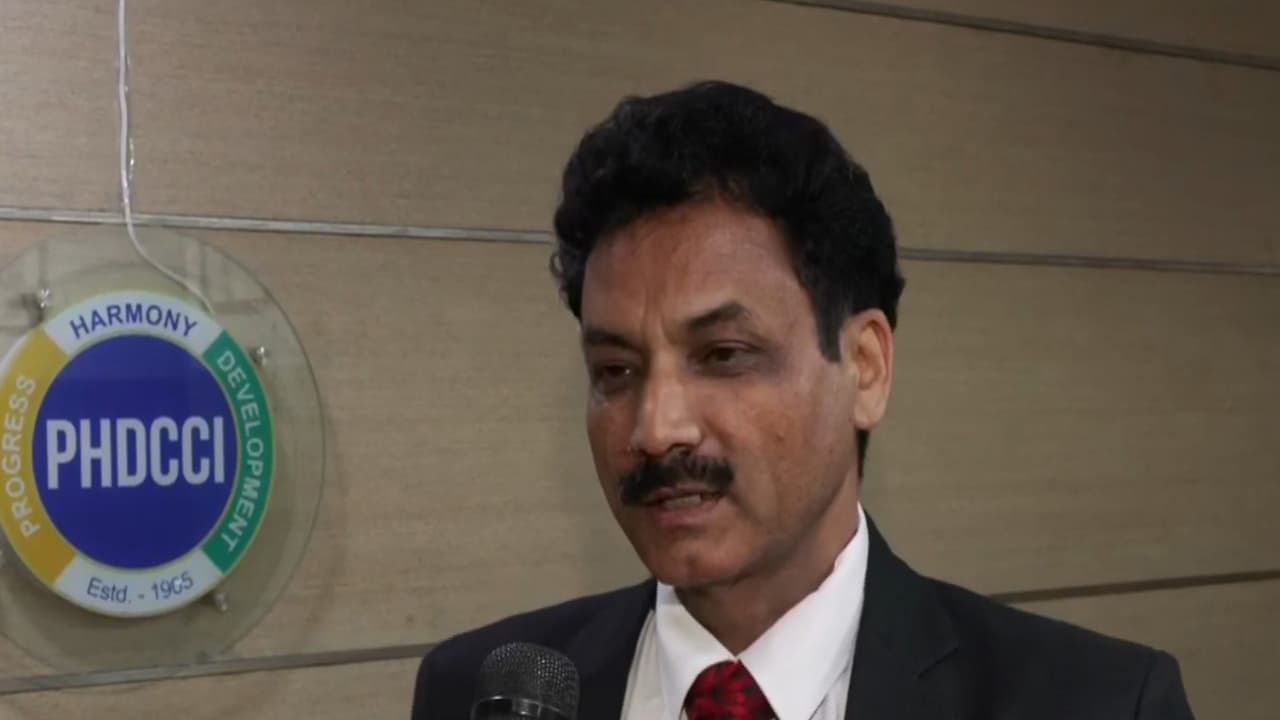
Amid the ongoing conflicts in West Asia, the continuation of schemes like RoSCTL (Rebate of State and Central Taxes and Levies) and RoDTEP (Remission of Duties and Taxes on Exported Products) helps reduce hidden taxes on exports, allowing Indian exporters to price their goods more competitively in global markets, said Ranjeet Mehta, CEO and Secretary General of PHDCCI.
Speaking with ANI, Mehta said, “RoSCTL and RoDTEP reduce embedded taxes, enabling exporters to offer more competitive prices globally,” adding that the schemes are critical in a highly price-sensitive international market. He noted that the benefits are particularly significant for micro, small and medium enterprises (MSMEs), which form a large part of India’s export ecosystem.
Government Extends Key Export Incentive Schemes
The government of India has recently extended the RoSCTL Scheme for overseas shipments of apparel/ garments and made-ups up to September 30 this year. Simultaneously, the Centre has further allowed continuation of the RoDTEP Scheme till the next six months. This measure will support textile products not covered under RoSCTL.
Mehta described the extension of RoSCTL as a “very welcome and much-needed step” at a time when global demand remains uncertain. “This will help improve liquidity for MSMEs, support employment and enhance the competitiveness of the textile and apparel sector,” he said.
Navigating Global Trade Challenges
The policy measures come amid ongoing geopolitical tensions that have disrupted global supply chains, impacting trade flows and increasing cost pressures for exporters. In such an environment, exporters are facing challenges including fluctuating demand, rising logistics costs and tighter margins in key markets.
Additional Support Measures for Industry
In addition to export incentives, the government has also exempted customs duty on certain critical petrochemical imports for three months until June 30 to ensure supply stability. The move is expected to benefit sectors dependent on petrochemical feedstock and intermediates, including plastics, packaging, textiles, pharmaceuticals, chemicals and automotive components.
“When input costs come down, it improves margins and working capital efficiency. This is a much-needed support for industry during times of uncertainty,” Mehta said, highlighting the complementary nature of cost-relief and export promotion measures.
Continuous Industry Engagement
He added that the government is maintaining close coordination with industry stakeholders and closely monitoring global developments. “There is continuous engagement and feedback, which enables timely interventions and reflects preparedness to deal with emerging challenges,” he said.
The combined impact of export incentives such as RoSCTL and RoDTEP, along with duty exemptions on pterochemicals, is expected to support Indian exporters in maintaining competitiveness in global markets even as uncertainties persist. (ANI)
(Except for the headline, this story has not been edited by Asianet Newsable English staff and is published from a syndicated feed.)