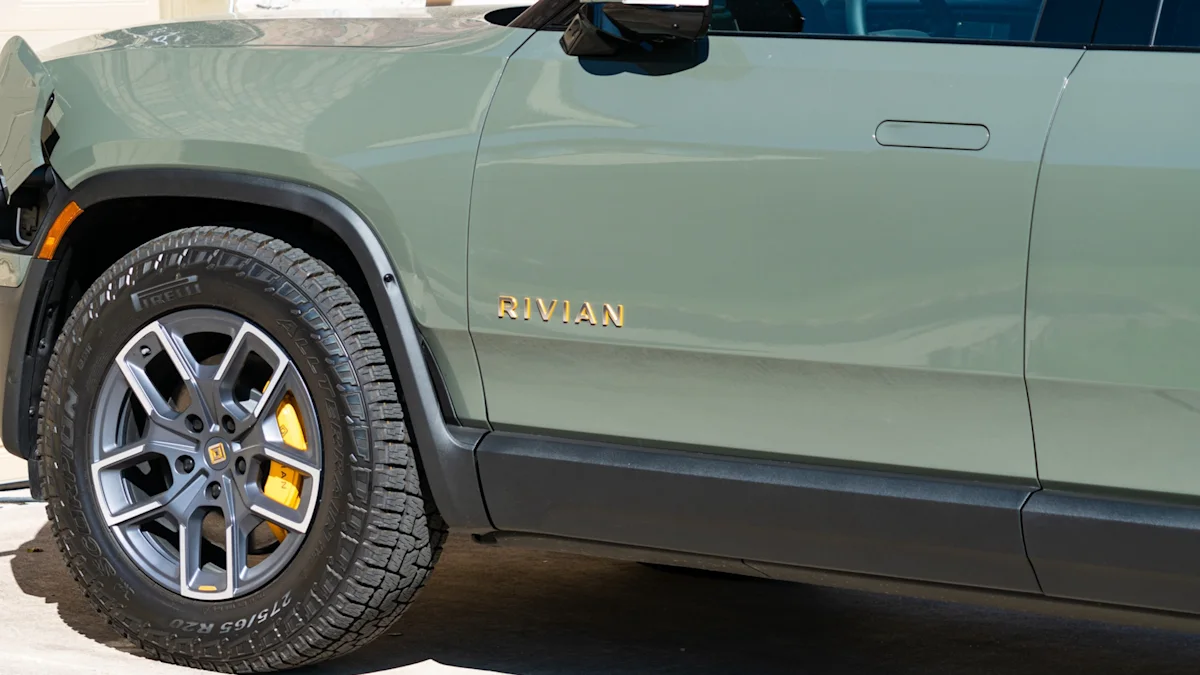
Rivian revealed it has reached a major climate milestone ahead of schedule, with its new R2 SUV cutting lifetime carbon pollution in half compared to the company’s original R1 lineup.
That is a notable claim not only because of the scale of the reduction, but also because the R2 targets a much broader market than Rivian’s earlier, higher-priced .
Here’s what to know
While carbon emissions goals have gone in and out of vogue to some extent, pollution is still pollution, and reducing it is objectively good for air quality and the environment at large.
In a on its , Rivian said the R2 Performance has already reached a 2030 climate goal. Compared with the 2022 R1 vehicles, it produces half the lifetime greenhouse gas pollution, four years ahead of schedule, according to .
Rivian also said the R2’s lifetime pollution is 58% lower than that of a comparable gas-powered vehicle. The company measured pollution across the vehicle’s full life cycle, including manufacturing, driving, and eventual recycling. Rivian said the gains came from “a relentless focus on aerodynamics, weight, efficiency, and materials.”
Rivian highlighted several recycled-material choices. It said the battery packs’ resin cell trays are fully recycled, the frunk and trim pieces use 85% post-consumer recycled material, and the floor mats are made from 99% ocean waste.
More background
Lifecycle pollution is a more holistic measurement than tailpipe pollution alone because it also accounts for the energy and materials used to build a vehicle. For EVs, that includes battery production, which can be carbon-intensive if companies rely on dirtier supply chains and manufacturing processes.
As The Verge noted, reaching a 50% cut in a vehicle’s total climate footprint is easier when the model is very small, heavily stripped down, or priced out of reach for many buyers. The R2 is meant to achieve that reduction without those tradeoffs.
Drivers can save money on fuel, and EVs typically require less routine maintenance because they do not need oil changes and generally have fewer moving parts than gas-powered cars.
What’s being done?
Rivian’s report points to one path forward for automakers to reduce pollution not just by switching to electric drivetrains, but by redesigning the entire vehicle around lighter components, better aerodynamics, and more recycled materials.
For interior and structural components, Rivian also emphasized sourcing choices. Among the examples, according to The Verge, is a surface material made from paper-industry waste from responsibly managed Nordic forests, which Rivian said helps lower lifecycle pollution.
The outlet noted that the brand is expected to deliver 70,000 vehicles in 2026, up from 42,000 in 2025. That growth seems to be sustainable.
“As we rapidly scale production of R2, we’re proving that high-performance, electric mobility isn’t just compatible with our mission—it drives it,” Rivian concluded in .
Where can I learn more?
Rivian’s update is an indication of where EVs are headed, if they can overcome persistent obstacles to growth.