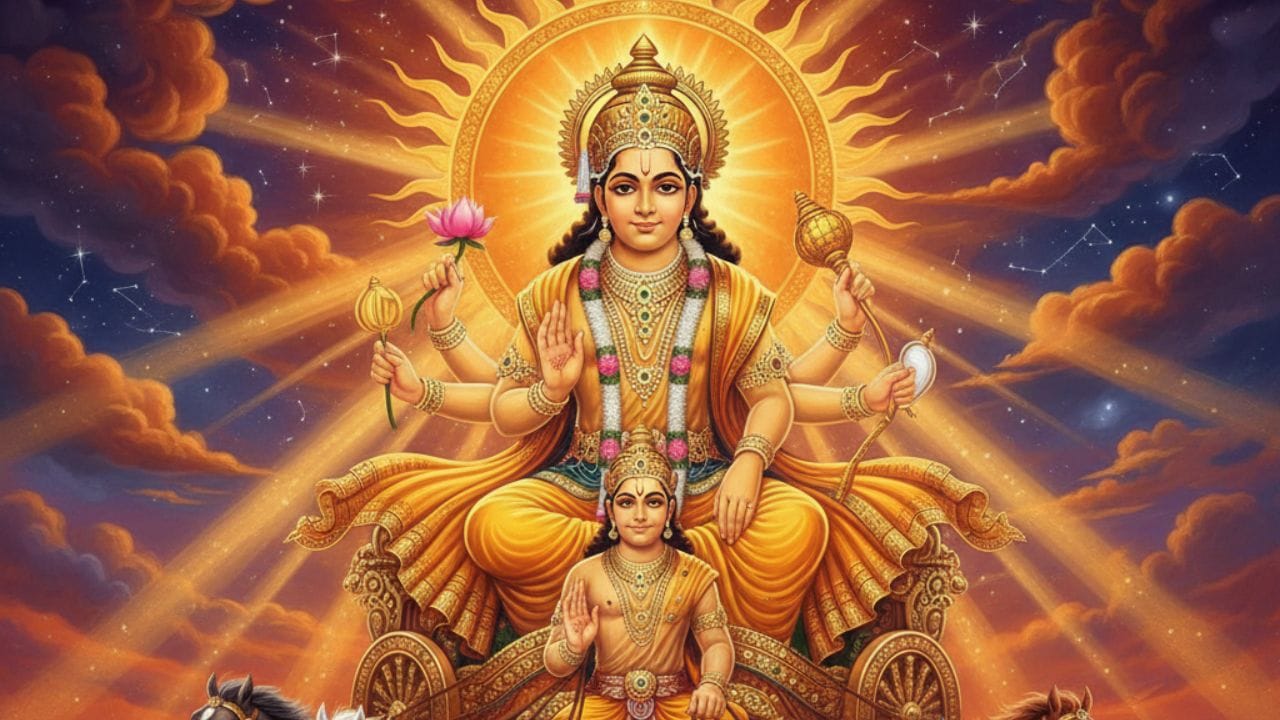
Kharmas 2025: According to the Panchang, Kharmas starts from 16 December 2025 and it continues for a whole month i.e. 14 January, when auspicious and auspicious works stop in one part of the country, while in the other part a holy month of devotion and spirituality begins. The traditions of North India and South India have completely opposite views regarding this one month period. Let us know in detail what the customs of the South say when auspicious works come to a halt due to Kharmas in North India and why this period is considered the ‘most sacred’ there.
North India: Kharmas tradition and restrictions on auspicious works
The tradition of Kharmas is mainly prevalent in parts of North India, such as Bihar, Jharkhand and eastern Uttar Pradesh. According to astrological calculations, when Sun God enters Sagittarius (Dhanu Sankranti) or Pisces (Meen Sankranti), that entire one month period is called ‘Kharmas’ or ‘Malamas’. It is believed that when the Sun enters the signs of Jupiter (lord of Sagittarius and Pisces), its influence gets reduced, leading to reduction in energy and auspiciousness. During this period, auspicious and auspicious activities like marriage, tonsure, housewarming, purchase of new property or starting a big business are considered prohibited.
South India: Holy month of Margazhi
Unlike North India, the South Indian tradition does not consider Kharmas as such nor does it impose any such restrictions on auspicious activities. In South India (especially Tamil Nadu) this period is known by a different name and with utmost sacred significance. In the calendar of South India, this period starting from 16 December is known as the month of ‘Margazhi’. Margazhi month is considered the best time to worship God and perform auspicious works in South India.
Are auspicious works banned in South India?
In South India, there is no religious restriction on marriages or other auspicious functions due to Kharmas. However, some communities observe the Muhurta as per their tradition, but it is not considered an inauspicious period.
Therefore, in Indian traditions, there are two different viewpoints regarding the same astronomical event; in North India, people consider this period as ‘inauspicious’ and postpone auspicious activities. At the same time, in South India, considering it an auspicious month and dedicated to God, people indulge in devotion and spirituality.
Also read: Complete the auspicious work by tonight, otherwise you will have to wait for 30 days.
Disclaimer: The information given in this news is based on assumptions and general information. TV9 Bharatvarsha does not confirm this.