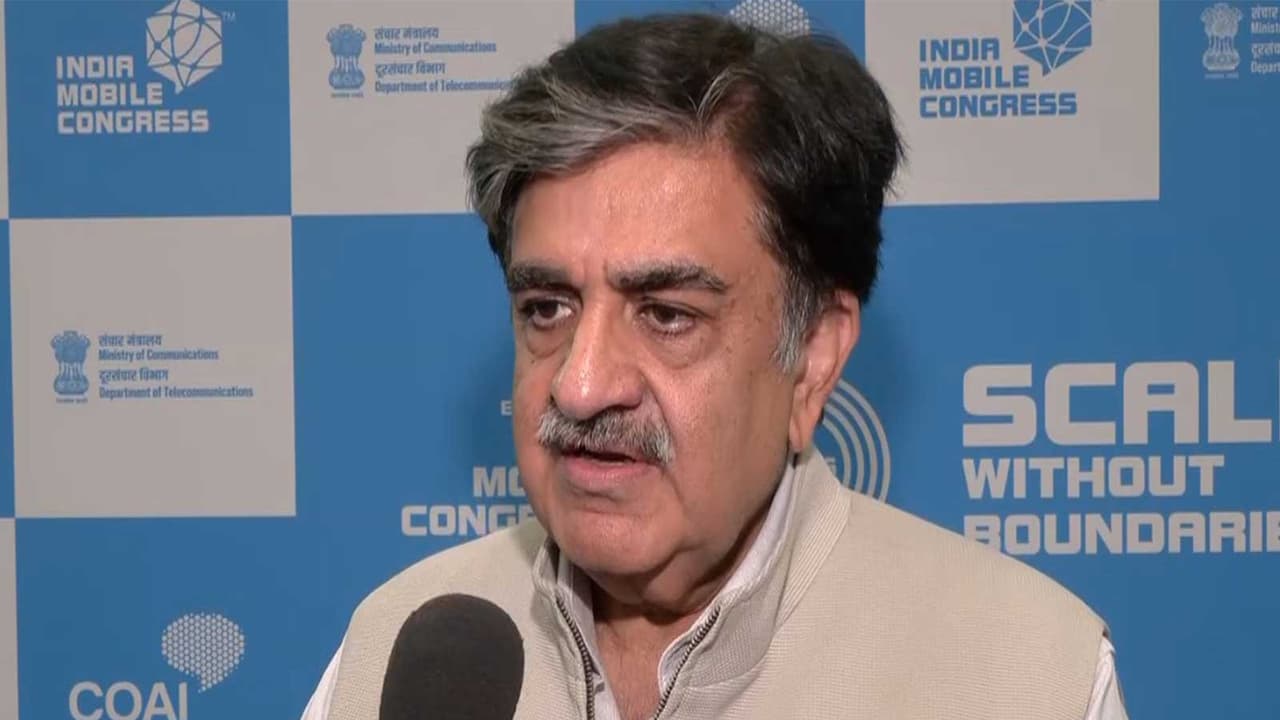
Rising memory chip prices could hinder smartphone affordability and slow digital penetration in India, warns the Indian Cellular and Electronics Association (ICEA). Smartphone adoption has stalled, with sales volumes expected to drop by 12% this year.
Rising memory chip prices could put pressure on smartphone affordability and slow the next phase of digital penetration in India, as the industry grapples with a plateau in smartphone adoption and higher component costs. Pankaj Mohindroo, Chairman of the Indian Cellular and Electronics Association (ICEA), said the industry is studying the impact of expensive memory chips and is preparing policy recommendations to address the challenge.
Stagnating Demand and Rising Prices
“The smartphone demand has been constant for the last four years at 150 million. This year we expect that it will drop by about 12%,” Mohindroo said, while adding that the decline would be in volume rather than value as average selling prices have risen substantially. He said the market is still expected to register value growth of 8-10%, but cautioned that rising memory costs could make it harder to expand smartphone penetration further.
“This memory scares and high cost memory which is increasing the cost of initial digital penetration through smartphones. We are working on a strategy and we’ll come out with a strategy very soon,” he said.
Concerns Over Smartphone Penetration
Mohindroo also flagged the stagnation in smartphone penetration as a major concern for the sector. “My worry is today that the penetration of smartphone has come to a standstill. So that is a very worrying factor,” he said, arguing that the industry needs to develop products that can bridge the gap between feature phones and smartphones. He said the sector is currently examining possible policy interventions and expects to make recommendations soon, particularly in response to the rising cost of memory and its implications for consumers entering the digital ecosystem.
Ecosystem Expansion and Policy Context
The comments come as India’s telecom and electronics ecosystem continues to expand, with industry participants highlighting the need for greater localisation and technology partnerships. Brijesh Kamani, CEO of Rapidise Technology, said India’s ecosystem for data centres is gaining momentum, while localisation of data-centre-related products and technology would remain important.
Mohindroo also defended India’s telecom policy amid questions over Starlink’s entry, saying the country’s policies are aimed at benefiting citizens and the industry. “India has the cheapest data in the world and the cheapest telecom services,” he said.
For the smartphone industry, however, the immediate challenge remains balancing higher component costs with the need to keep devices affordable enough to bring new consumers into the digital ecosystem. (ANI)
(Except for the headline, this story has not been edited by Asianet Newsable English staff and is published from a syndicated feed.)