
Every year, do you make resolutions that invariably crumble and are forgotten by the end of the first week of the New Year? Maybe, you can keep them if they are fewer, easier to stick to and realistic.
Often, it’s not the will power that lets you down, it’s unrealistic and impossible resolutions that do.
So, here are some for 2026 that you can surely make, and keep.
 Diet resolutions
 Resolution 1
 Resolution 2
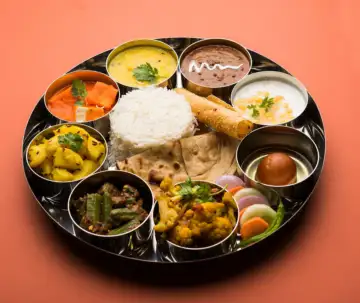
 Resolution 3Diet resolutions you can keep Clinical Dietitian Jahnavi Bhograj has three resolutions that will keep you fit through the New Year Diet resolutions often arrive with great enthusiasm and unrealistic expectations. Promises of drastic detoxes extreme work-outs or rigid food rules can create pressure to change everything overnight. Yet lasting health rarely comes from dramatic shifts. It comes from simple thoughtful habits practised consistently and adapted to individual needs.
Resolution I: Quality over quantity
The first resolution worth prioritising is focusing on diet quality rather than quantity. In today’s nutrition conversations carbohydrates often receive undue blame. However the type of carbohydrate matters far more than the amount. Carbohydrates from whole grains beans fruits and vegetables provide fibre essential nutrients and steady energy. These foods support digestion blood sugar balance and long-term health unlike refined carbohydrates that often leave people feeling hungry or low in energy soon after meals.
Resolution II: Eat on time
A second important resolution is building regular food habits and a routine. Eating meals at consistent times helps regulate hunger digestion and energy levels. More importantly it helps you begin to listen to your body’s signals. Noticing how you feel after meals – energised or sluggish comfortably full or bloated – offers valuable insight. Instead of changing everything at once addressing one meal at a time starting with dinner can be far more effective. Finishing dinner earlier increasing vegetables and fibre and balancing the plate for a week allows the body to respond before changes are made to other meals. Digestive patterns also provide important feedback. Frequent issues such as constipation sticky stools acidity or regular discomfort may signal that meal timing hydration or fibre intake needs attention. Persistent cravings for larger portion sizes or frequent snacking often reflect imbalance rather than lack of discipline. Home-cooked food remains one of the strongest pillars of good health. Preparing meals at home allows better control over ingredients cooking methods and portion sizes while preserving cultural and emotional connections to food. As the year unfolds the most effective diet is not the trendiest one but the one that fits your body routine and life.
Resolution III: Physical activity
Another non-negotiable resolution is regular physical activity. Movement supports heart health mental well-being blood sugar control and sleep. Along with walking or aerobic activity strength training plays a vital role by supporting muscle mass bone health and metabolism.