New Delhi: Scientists have discovered that adequate sleep benefits horses just like humans. The researchers monitored nocturnal rapid eye movement (REM)-like sleep in 16 healthy riding school horses over a period of six weeks, with five 48-hour behavioural recording periods. Horses with more than 30 minutes of REM sleep per night performed better overall in a newly developed reverse learning test, than those with shorter durations. Shorter REM sleep did not increase error rates, but reduced persistence, as affected horses gave up sooner on the task despite being capable of completing it. This indicates REM sleep links to motivation and perseverance rather than basic accuracy.
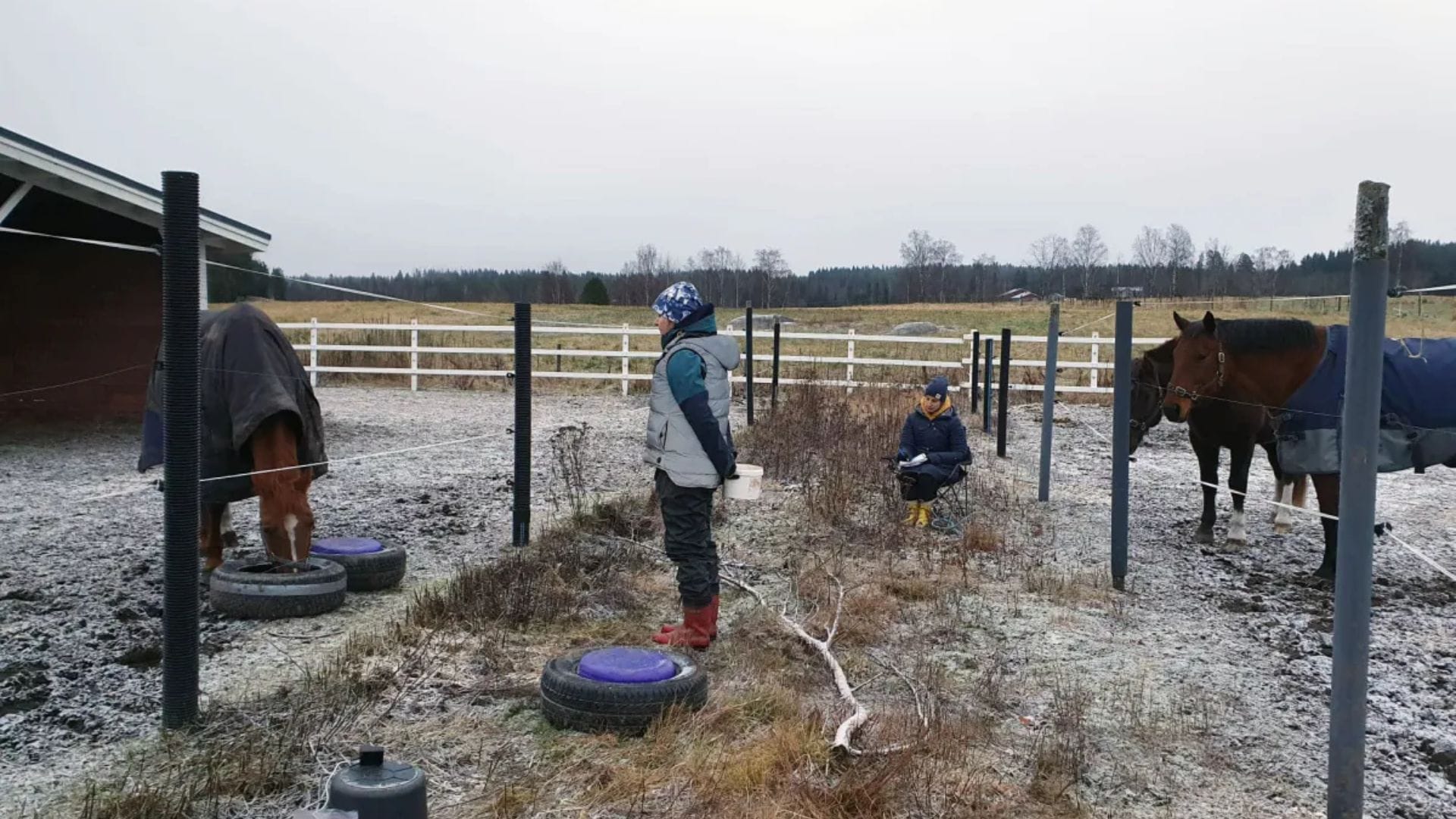
Researchers from the University of Helsinki have developed a practical reverse learning test to assess the learning capacity of horses in familiar environments such as their own enclosures. The test teaches horses to touch an object for a reward, then reverses the correct object, requiring adaptation. Progress is measured by correct responses per minute, providing a sensitive indicator. Most riding school horses in the study learned the initial task and completed the reversal successfully. The test can be conducted in one day using simple equipment by two people, unlike traditional, multi-day methods.
Lack of sleep adversely affected concentration, adaptability
No visible signs of sleep disturbances appeared in the horses with low periods of REM sleep, but the effects emerged in demanding tasks needing sustained concentration and flexibility. Horses handled simple tasks quickly, but shorter REM periods impaired performance in prolonged, challenging tasks. The findings provide a new tool suitable for field applications for evaluating equine learning ability and welfare. The scientists highlight sleep quality as a factor in how effectively horses learn and handle daily challenges beyond training or inherent motivation alone. The study has been published in Scientific Reports and was conducted in collaboration with the Finnish Equine Information Centre and sleep researchers.