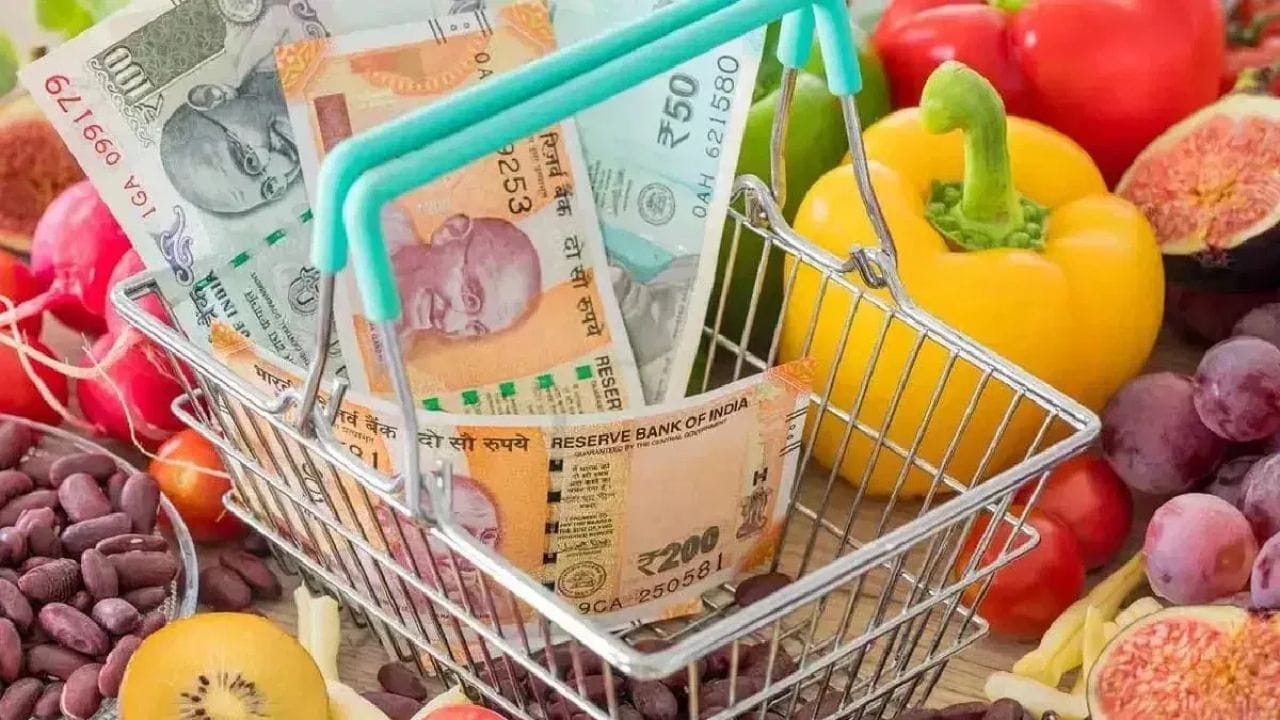
inflation went down
The wholesale inflation rate in India turned negative in November, decreasing by 0.32% on an annual basis. This decline was mainly due to decline in the prices of food items, mineral oils and crude petroleum and natural gas. Despite the decline in food inflation, prices of minerals and food articles witnessed a month-on-month increase. If we look at the data, the inflation figure was -1.21 in October which has come down to -0.32 percent. There is a slight increase in this. But overall inflation is low. Still wholesale inflation is below zero. Inflation is in minus for the second consecutive month.
This surge indicates a return of the Wholesale Price Index (WPI) from its 12-month low in October. After a sharp fall in prices for several months, the WPI went up as the pace of decline in prices of primary articles, especially food items, slowed down. Although wholesale prices are still in negative territory, November data shows that the worst phase of inflation is probably over. Food prices are still under pressure, but the decline has slowed down. Food prices exerted the greatest downward pressure on wholesale inflation, although the magnitude of the decline moderated. The food index continued to decline, but the rate of decline slowed as vegetable prices stabilized after earlier sharp declines.
Vegetable prices were still more than 20 percent lower than the same period last year, but that was a big improvement compared to October, when prices had fallen nearly 35 percent. Onion and potato prices remained much lower than a year ago, reflecting abundant supplies and favorable base effects. Grains, which had supported inflation at the beginning of the year, slipped into negative territory in November. Wheat prices, which had remained quite high in the first half of the year, also turned marginally negative. Pulses continued to fall sharply, continuing the trend seen since the beginning of summer, due to better availability and lower buying pressure.
Got some support from non-food articles
Non-food primary articles partially balanced the balance. Oilseed prices rose in November due to supply side constraints and strong global cues, pushing inflation in this segment close to double digits. Minerals inflation also strengthened, reflecting price pressures in select construction- and industry-related inputs.
Fuel, manufacturing remain sluggish
Fuel and electricity inflation remained negative for another month, although the pace of decline slowed down. Crude petroleum and natural gas prices continued to fall year-on-year in line with global oil trends, while petrol and diesel remained cheaper than a year ago.
Inflation in manufactured products, which have the highest weightage in WPI, declined slightly. Price pressures in manufactured food products eased sharply, falling below 1 percent after being in the high single digits at the beginning of the year. Edible oils also saw a significant decline in prices after strong growth in the first quarter. Key manufacturing categories such as chemicals, pharmaceuticals, textiles and basic metals saw only modest growth or mild decline, pointing to limited cost-push pressures.
Price outlook remains good
Retail inflation also remains unusually low. The decline in wholesale inflation – below 2 per cent in recent months – reinforces expectations that overall price pressures remain under control, giving policymakers scope to maintain an accommodative stance despite uncertain global conditions.
Also read- Salary comes and ends? Adopt this magical formula, you will become a millionaire!