In today’s fast-paced world, many individuals overlook symptoms like headaches, dizziness, or sudden weakness in their limbs, attributing them to fatigue. However, these changes can signal a potential stroke, also known as a brain attack. Stroke is a serious medical emergency, and timely treatment is crucial to prevent loss of life.
According to the World Health Organization (WHO), cardiovascular diseases are the leading cause of death globally. In 2022, nearly 19.8 million people died from heart-related issues, with approximately 85% of these deaths resulting from heart attacks and strokes. A stroke occurs when blood supply to a part of the brain is interrupted or a blood vessel in the brain ruptures. This deprives brain cells of oxygen, leading to damage.
One of the most common signs of a stroke is sudden weakness in the face, arm, or leg, particularly on one side of the body. This may manifest as a drooping face or an inability to smile symmetrically. Other symptoms include sudden difficulty speaking, slurred speech, or trouble understanding others. If a person experiences blurred vision in one or both eyes, has trouble walking, or loses balance, these should not be dismissed as mere dizziness or weakness.
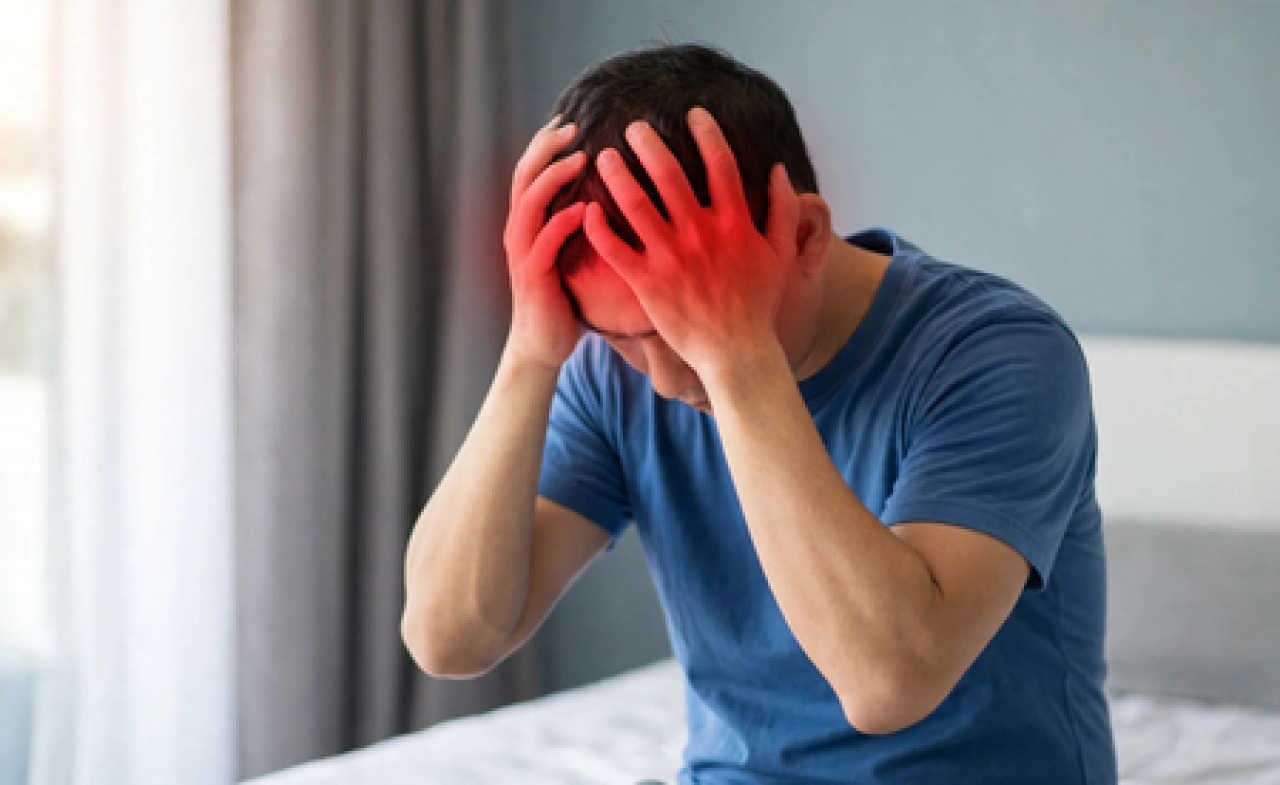
In some cases, an abrupt and severe headache without a clear cause may also indicate a stroke. Accompanying symptoms can include nausea, confusion, or numbness in parts of the body. While these symptoms may resolve quickly, it does not mean the risk has passed. Such occurrences could signify a transient ischemic attack (TIA), often referred to as a mini-stroke, which serves as a warning for a larger stroke in the future.
Several factors can increase the risk of stroke, including poor diet, lack of physical activity, tobacco use, excessive alcohol consumption, and obesity. Additionally, conditions like high blood pressure, diabetes, and elevated cholesterol levels can damage blood vessels. Regular health check-ups and lifestyle improvements are essential for prevention.
The WHO emphasizes the importance of immediate action if stroke symptoms appear. Call an ambulance or rush the individual to the emergency room without delay. Noting the time when symptoms began is critical, as this information aids in treatment. Avoid administering any medication without a doctor’s guidance.