
New Delhi: Suhoor and iftar are essential meals that shape energy, focus and overall health during Ramadan. Suhoor, eaten before Fajr prayer, prepares the body for long fasting hours ahead. Iftar, taken at sunset, restores hydration and nutrients lost during the day. Thoughtful meal planning helps reduce fatigue, dehydration and digestive discomfort while supporting stamina needed for daily routines, work schedules and evening prayers throughout the holy month and ensures balanced nourishment without heaviness or sluggishness during prolonged fasting periods each year.
Ramadan 2026 is expected to begin around February 19 or 20, subject to moon sighting. As fasting hours remain long, meal choices become crucial. Balanced suhoor and iftar meals support hydration, steady energy and recovery, helping the body cope comfortably with fasting while maintaining focus for work, worship and nightly Taraweeh prayers across different climates and daily routines during Ramadan.
Healthy suhoor ideas for nourishing start
1. Oats with chia seeds and almond butter
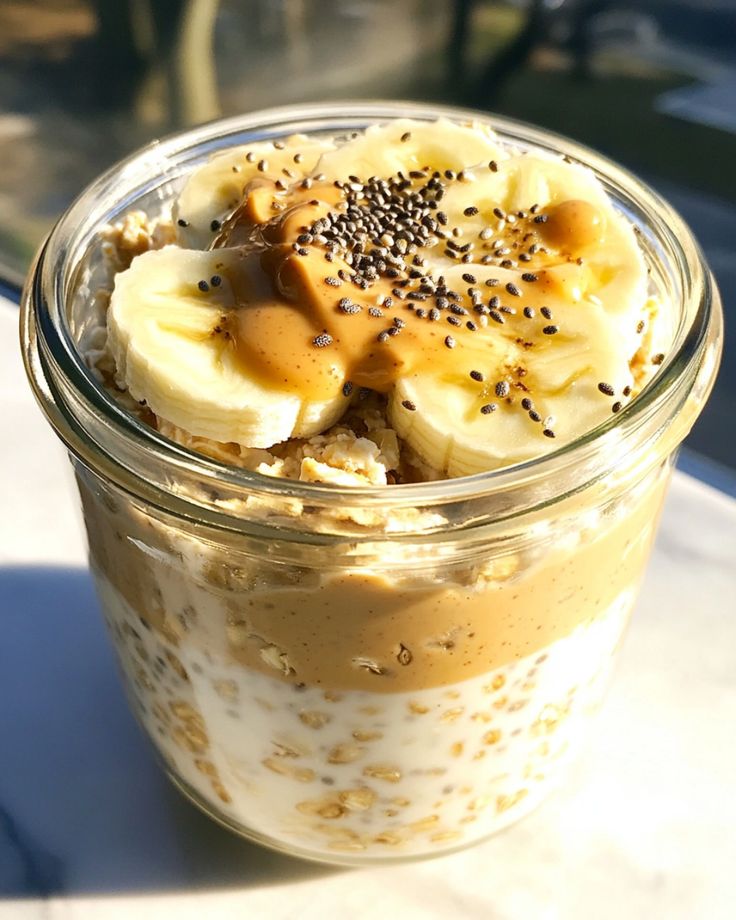
Oats offer complex carbohydrates and fibre that digest slowly and keep hunger controlled. Chia seeds add protein and omega-3 fats, while dates supply natural sweetness and potassium. Almond butter contributes healthy fats that support sustained energy, making this combination ideal for long fasting hours.
2. Whole wheat paratha with curry and yoghurt
Whole wheat paratha delivers lasting carbohydrates, while vegetable curry adds vitamins and minerals. Yoghurt supports digestion through natural probiotics. This traditional pairing feels satisfying without heaviness and helps maintain gut comfort during fasting.
3. Scrambled eggs with vegetables
Eggs provide high-quality protein and essential nutrients. Tomatoes and spinach add antioxidants and iron, while multigrain toast increases fibre intake. This meal supports steady energy release and keeps fullness levels balanced during fasting hours.
4. Smoothie bowl with banana, dates and Greek yoghurt

Bananas and dates offer quick energy, while Greek yoghurt supplies protein. Nuts and seasonal fruits enhance nutrient density. This option suits lighter appetites while still providing balanced nourishment.
5. Hummus with whole grain pita and vegetables
Hummus supplies plant protein and healthy fats, while whole grain pita adds fibre-rich carbohydrates. Fresh vegetables contribute hydration and antioxidants, supporting digestion and muscle function during fasting.
Healthy iftar ideas to break fast
1. Dates and water

Breaking fast with dates replenishes energy naturally through sugars and potassium. Water or coconut water supports rehydration after long fasting hours, preparing the body for further nourishment.
2. Lentil soup
Lentil soup offers protein, iron and fibre in an easy-to-digest form. It gently awakens digestion and helps reduce fatigue without overwhelming the stomach.
3. Grilled chicken with quinoa salad
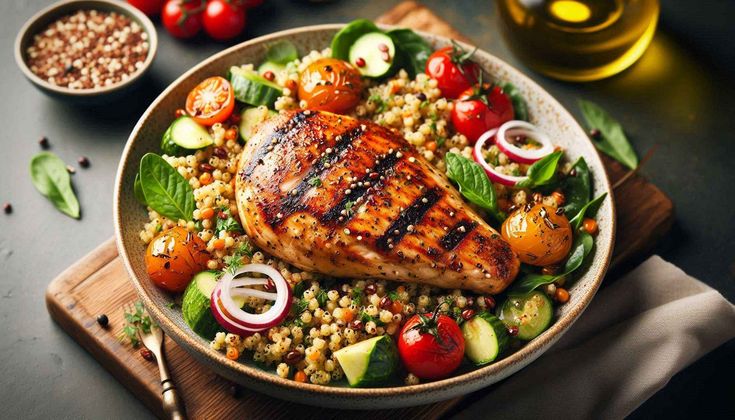
Grilled chicken supports muscle repair through lean protein. Quinoa provides plant protein and fibre, while vegetables enhance micronutrient intake, making this meal suitable after a full day of fasting.
4. Baked fish with vegetables
Fish supplies omega-3 fats that support brain and heart health. Steamed vegetables add fibre and vitamins, creating a light yet nourishing meal before evening prayers.
5. Vegetable stir-fry with tofu
Tofu offers plant-based protein, while vegetables supply antioxidants and fibre. This balanced meal restores energy without heaviness and suits vegetarian Iftar preferences.
Balanced suhoor and iftar meals support strength and comfort during Ramadan. Thoughtful food choices help manage hunger, hydration and energy, allowing fasting to remain nourishing rather than exhausting throughout the holy month.