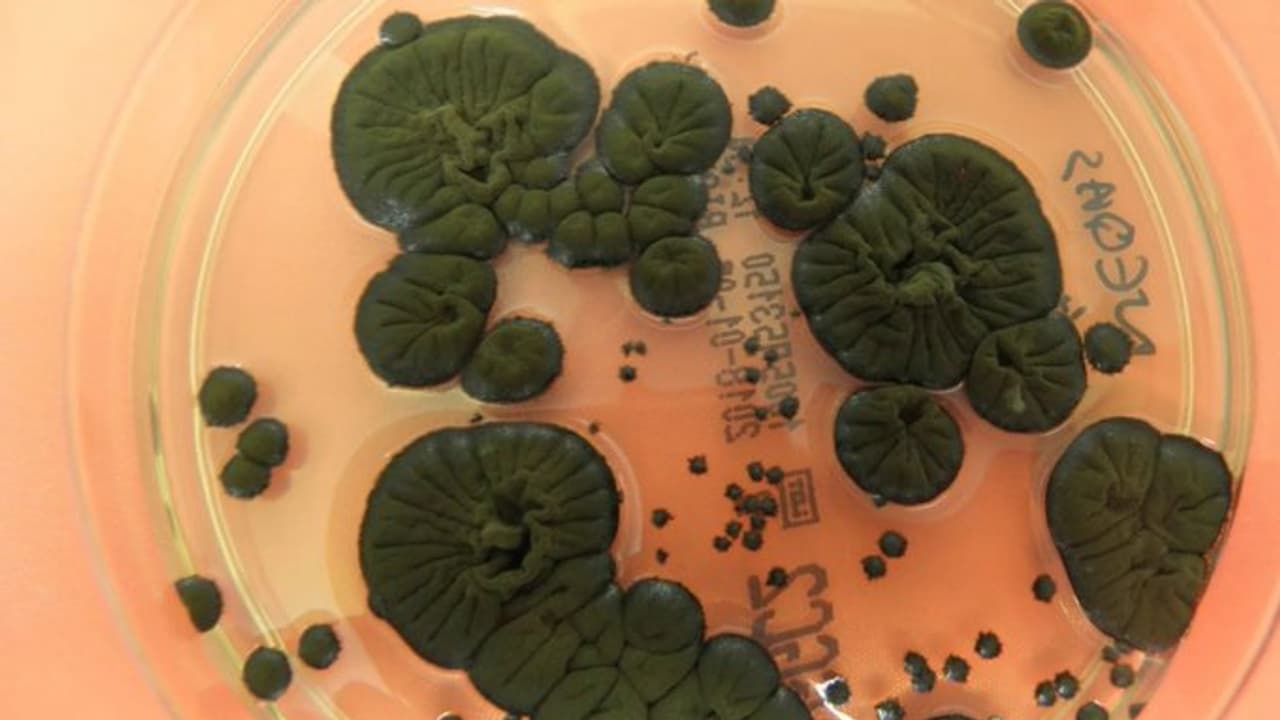
Scientists have found radiation-eating fungi and cancer-resistant wildlife thriving in the Chernobyl Exclusion Zone. NASA is studying these organisms for radiation shielding on future Moon and Mars missions.
Nearly 40 years after the catastrophic nuclear meltdown at Chernobyl, scientists continue to uncover surprising forms of life thriving where humans cannot. Among the most extraordinary discoveries is a dark, melanin rich fungus Cladosporium sphaerospermum that not only survives intense radiation but appears to grow faster when exposed to it, as though it is “feeding” on the energy left behind.
A Fungus That Turns Gamma Rays Into Fuel
This strange mold was first spotted on the walls of the abandoned reactor, where its unusually rapid growth raised eyebrows. When researchers tested 47 strains from the Chernobyl Exclusion Zone, nine showed a remarkable behaviour: they moved toward radiation sources and expanded more quickly under gamma rays, the most dangerous type emitted after nuclear events.
The leading theory behind this ability is radiosynthesis. Just as plants use chlorophyll to convert sunlight into energy, this fungus may use melanin to harness radiation. When gamma rays strike the pigment, electrons shift in a way that generates usable chemical energy. This gives the fungus a survival advantage in places where normal nutrients are scarce.
NASA has taken keen interest in this phenomenon. Experiments aboard the International Space Station revealed that C. sphaerospermum grew 21 times faster in space and blocked substantial radiation from reaching nearby surfaces. The agency is now studying how to grow “fungal bricks”—lightweight, self-repairing structures that could shield astronauts on the Moon or Mars far better than bulky metal barriers.
Mutant Wildlife Showing Astonishing Adaptations
The Chernobyl Exclusion Zone, once seen as lifeless, has become a refuge for wildlife and a natural laboratory for studying evolution under extreme stress. Wolves roaming the area exhibit genetic mutations linked to cancer resistance, offering hope for breakthroughs that may one day benefit humans. Blood tests combined with GPS collars carrying radiation sensors revealed that wolves regularly experience radiation exposure far above safe human limits, yet appear resilient.
Tree frogs have evolved in striking ways too. Many have become much darker almost black due to elevated melanin levels that shield their bodies from radiation. This pigmentation not only protects the frogs but is also passed to their offspring, strengthening future generations.
A New Understanding of Life Under Extreme Conditions
From radiation-eating fungi to cancer-resistant wolves, Chernobyl shows that life can adapt in ways scientists once thought impossible. These unexpected survivors may ultimately provide clues for cleaning nuclear sites, advancing cancer research, and protecting humans during deep-space exploration.