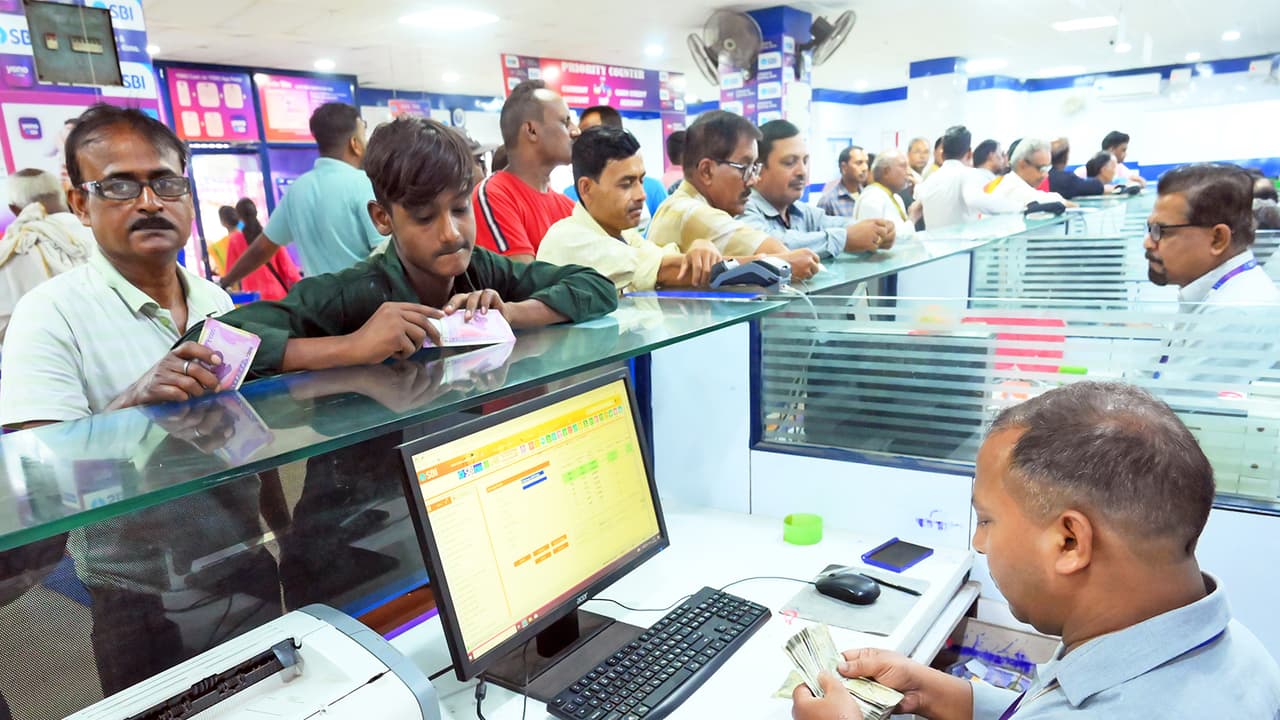
Public Sector Banks have sanctioned over Rs 52,300 crore to nearly 4 lakh MSMEs using a new Credit Assessment Model. This digital shift leverages data like GST and ITR for faster, collateral-free lending through the Jan Samarth Portal.
Small business financing in India has undergone a massive digital transformation, with Public Sector Banks (PSBs) sanctioning more than 3.96 lakh MSME loan applications between April 1 and December 31, 2025. These sanctions, totalling over Rs 52,300 crore, were made possible through the newly launched Credit Assessment Model (CAM). This model, which leverages digital credit underwriting, represents a shift from traditional collateral-based lending to a system fueled by verifiable data and real-time digital footprints.
Shift to Data-Driven Lending
According to the press release bythe Ministry of Finance, “This credit assessment model leverages the digitally fetched and verifiable data available in the ecosystem and devise automated journeys for MSME Loan appraisal using objective decisioning for all loan applications and model-based limit assessment for both Existing to Bank (ETB) as well as New to Bank (NTB) MSME borrowers.”
The “digital footprints” analysed by the model include comprehensive data points such as GST data analysis, bank statement analysis using account aggregators, and ITR verification. The system also conducts “KYC authentications, mobile and email verifications, and due diligence using Credit Information Companies (CICs) data.” This multi-layered verification process is integrated with fraud checks to ensure the security and integrity of the lending process, while also facilitating “integration of credit guarantee schemes like CGTMSE” to provide further support to small enterprises.
Streamlined Process for MSME Promoters
For MSME promoters, the benefits are practical and immediate. The model enables the “submission of application from anywhere through online mode,” effectively removing the necessity for physical branch visits. Key features of this revolution include “instant in-principle sanctions” and an “end-to-end straight through process (STP)” that significantly reduces the turnaround time (TAT). As the decision is conveyed online immediately upon completion of the application, business owners gain the flexibility to apply on a “24/365 basis.”
Centralised Platform for Seamless Processing
The sourcing of these applications is centralised through the Jan Samarth Portal, where advanced APIs perform due diligence using digitally sourced data. According to the release, this digital-first approach ensures “seamless processing of credit proposals” and offers a “credit decision based on objective data.” By eliminating the need to submit physical copies of documents, the new model has set a high standard for ease of doing business, ensuring that credit flows to the MSME sector faster and more transparently than ever before. (ANI)
(Except for the headline, this story has not been edited by Asianet Newsable English staff and is published from a syndicated feed.)