Pregnancy Diet – Pregnancy brings significant changes to a woman’s body, and nutritional requirements also increase during this period. Food provides the nutrients needed to support the mother’s health as well as the baby’s growth and development. A pregnancy diet therefore needs to be more than simply filling meals; it should include a variety of nutrient-rich foods along with adequate fluids. Protein, calcium, vitamins, minerals and fiber all have important roles, while individual dietary needs can vary depending on health conditions and medical advice.
Dairy foods can provide calcium and protein
Milk, yogurt and paneer can be useful additions to a balanced pregnancy diet because they provide calcium and protein. Calcium is particularly important for the developing baby’s bones and teeth, while dairy foods can also provide nutrients such as phosphorus, magnesium and B vitamins.
Yogurt may also be a convenient option during pregnancy and can contribute to daily calcium intake. Choosing pasteurized dairy products is important during pregnancy, while dietary choices should be adjusted according to individual health needs and a healthcare professional’s advice.
Eggs offer protein and other nutrients
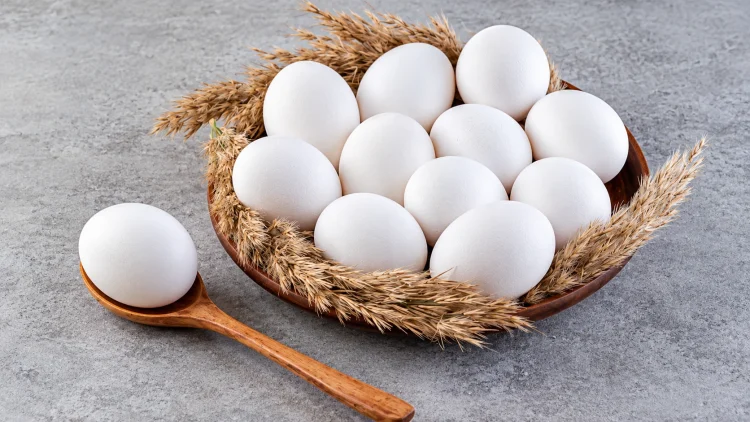
Eggs are another nutrient-dense food that can fit into a pregnancy meal plan. They provide high-quality protein along with fats, vitamins and minerals. Eggs also contain choline, a nutrient involved in fetal development, including the development of the brain and nervous system.
For safety, eggs should be cooked thoroughly during pregnancy rather than eaten raw or undercooked. People with specific dietary restrictions or medical conditions should discuss suitable protein sources with their healthcare provider.
Add leafy green vegetables to meals
Green vegetables can help add several nutrients and fiber to the pregnancy diet. Foods such as spinach and broccoli contain folate, iron, calcium, potassium and vitamins including vitamin C and vitamin K. These nutrients support various functions in the body and are particularly relevant when nutritional demands change during pregnancy.
The fiber found in vegetables can also support digestive health. Constipation is common during pregnancy for some women, and including fiber-rich foods as part of a balanced diet may help maintain regular bowel movements. Adequate fluid intake is important alongside dietary fiber.
Fluids are part of healthy pregnancy nutrition
Drinking enough water and other suitable fluids is another important part of maintaining nutrition during pregnancy. Fluid needs can vary depending on factors such as activity, weather and individual health. Rather than relying on sugary beverages, water and other nutritious fluid choices can form the main part of daily hydration.
A varied diet is generally more useful than depending heavily on a single food. Along with dairy products, eggs and vegetables, meals can include other nutrient-rich foods that provide carbohydrates, healthy fats, protein, vitamins and minerals.
Health conditions may change dietary needs
Pregnancy nutrition is not identical for every woman. Someone living with diabetes, thyroid disease, anemia or another medical condition may need specific dietary adjustments. In such cases, following a personalized plan from a doctor or registered dietitian can be more appropriate than adopting a general diet chart.
Pregnancy supplements such as folic acid, iron or vitamin D may also be recommended depending on individual requirements and local medical guidance. Supplements should be taken according to professional advice rather than replacing a varied diet.
A balanced approach matters most
The focus during pregnancy should be on variety, food safety and adequate nutrition rather than a single so-called superfood. Including protein sources, calcium-rich foods, vegetables, whole grains, fruits and appropriate fluids can help create a more balanced eating pattern.
Regular prenatal checkups also provide an opportunity to discuss weight changes, nutritional concerns and any symptoms that may affect eating or hydration. If there are concerns about what to eat during pregnancy, especially in the presence of an existing medical condition, personalized medical advice is the safest approach.