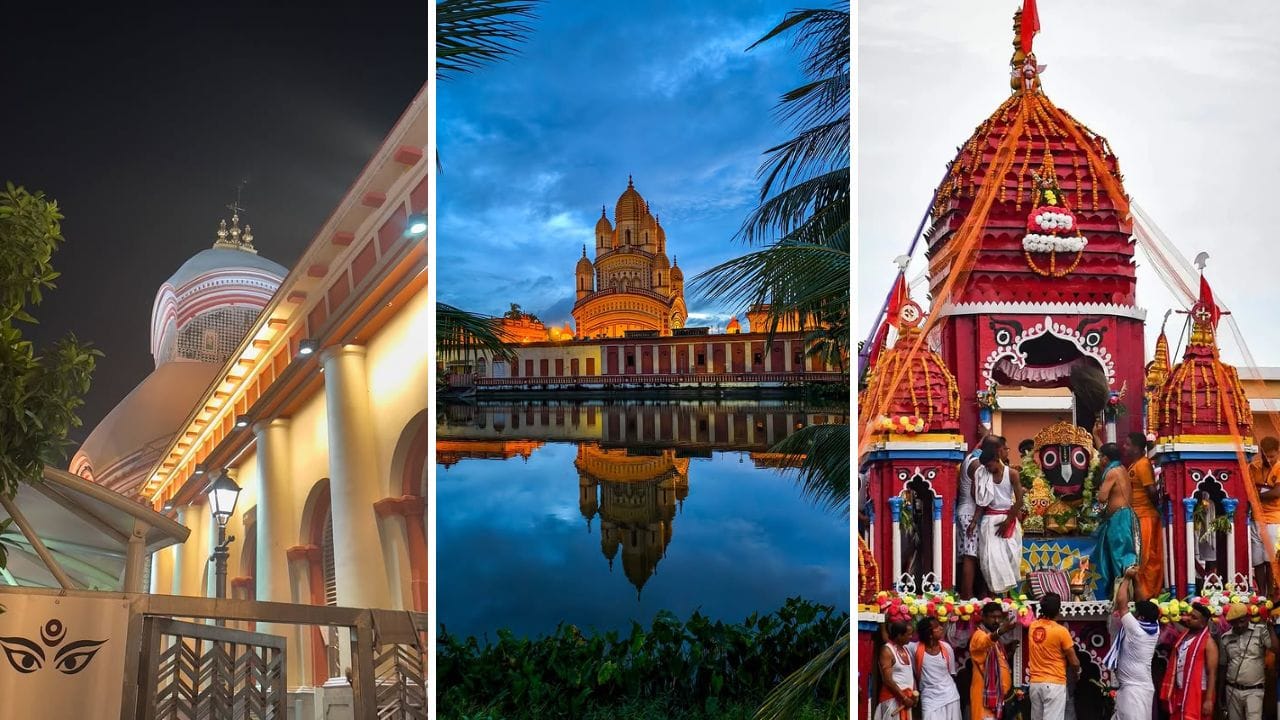
New Delhi: Bengali families welcome Pohela Boisakh on April 15 with devotion, optimism and cultural pride. The first day of the Bengali calendar draws thousands to temples across West Bengal as devotees seek divine blessings for a prosperous, healthy and successful year ahead, marking the day as a new beginning. It is a time for both spiritual reflection and cultural celebration. Many rise early, dress in traditional attire and visit revered shrines before gathering for festive meals and community events.
Shopkeepers open new account books, known as Haal Khata, and offer prayers for steady growth. Incense, conch shells and chants create an atmosphere of solemn joy within temple courtyards. Each shrine carries its own legend, history and architectural character, deepening the significance of the day. For those planning to begin the year with prayer, these popular temples remain central to Pohela Boisakh observances.
Pohela Boisakh: Iconic temples to visit in West Bengal
1. Kalighat Temple, Kolkata
Counted among the revered Shakti Peeths, Kalighat Temple witnesses immense footfall on Pohela Boisakh. Devotees offer prayers to Goddess Kali and initiate Haal Khata rituals for business prosperity. The shrine, believed to mark the spot where the toes of Dakshayani fell, carries over two centuries of history and enduring faith.
2. Dakshineswar Kali Temple, Kolkata
Situated along the eastern bank of the Hooghly river, this grand temple is admired for its striking architecture and spiritual legacy. Built in 1855 by Rani Rashmoni after a divine vision, Dakshineswar draws thousands on April 15 who seek strength, stability and blessings for the year ahead.
3. Jagannath Mandir, Mahesh
Established in 1936 by sage Drubananda Brahmachari, this temple is closely linked to Bengal’s ritual calendar. It is recognised as India’s second-oldest Jagannath temple and the oldest in the state. Its centuries-old Rath Yatra and the historic 1755 structure built by Nayachand Mallick add to its prominence.
4. Tarapith Temple, Birbhum
This 13th-century shrine dedicated to Goddess Tara holds deep spiritual resonance. Devotees believe the eyeball of Sati fell here, giving the temple profound mythological importance. On Pohela Boisakh, pilgrims gather to offer prayers for protection, clarity and renewed purpose.
Pohela Boisakh unites devotion and tradition. Beginning the year at these sacred temples allows many to step forward with faith, gratitude and hope.