Pneumonic plague is drawing renewed attention after media reports from Russia linked the death of a 28-year-old laboratory worker to possible exposure to bacteria associated with plague. Reports also said that around 200 people who had been in contact with the worker were isolated as a precaution. However, it has not yet been established that plague caused the death, and the circumstances remain under investigation. The situation has nevertheless renewed interest in understanding pneumonic plague, a serious form of infection that affects the lungs and can progress rapidly.
What is pneumonic plague?
Plague is an infectious disease caused by the bacterium Yersinia pestis, which can affect both humans and certain animals. The disease is generally described in three main forms: bubonic plague, septicemic plague and pneumonic plague. The pneumonic form involves the lungs and is considered particularly serious because respiratory symptoms can develop quickly. Unlike the other major forms, pneumonic plague can potentially spread directly between people through respiratory droplets.
How can the infection spread?
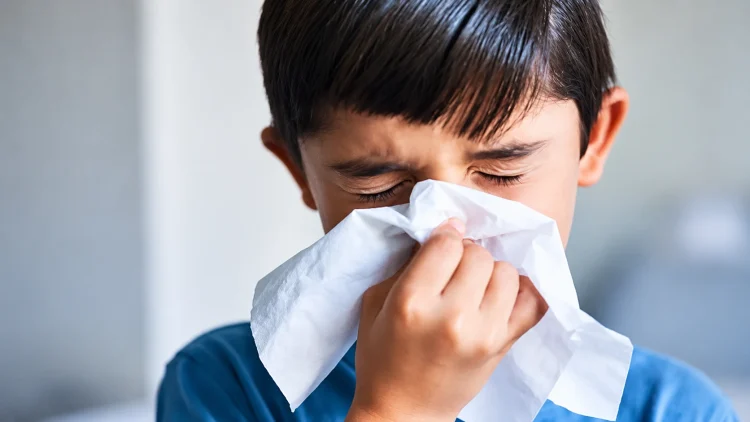
A person may be exposed to pneumonic plague through close contact with someone who has the infection, particularly when that person coughs or sneezes. Respiratory droplets containing bacteria can enter the air around them and may be inhaled by people nearby. Close contact with an infected animal can also present a risk in certain circumstances, including exposure to infected domestic animals such as cats. Because person-to-person transmission is possible with pneumonic plague, people who have been in close contact with a suspected or confirmed patient may require medical assessment and monitoring.
What symptoms should not be ignored?
Pneumonic plague can become severe over a short period, making early medical attention important. Reported symptoms can include a sudden high fever, chills, headache, marked weakness, breathing difficulties, chest pain and cough. Some patients may also develop watery or blood-tinged sputum. If these symptoms appear suddenly in someone with a relevant history of exposure to an affected area, infected animal or suspected patient, prompt medical evaluation is important rather than waiting for the illness to worsen.
Steps that can help reduce exposure
Avoiding contact with sick or dead animals is an important precaution in areas where plague is known to pose a risk. People should not handle potentially infected animals without appropriate protection, while measures to control fleas can also be important because fleas are associated with the transmission of plague in affected settings. Pets should likewise be protected from flea exposure where such risks exist.
Anyone who has had close contact with a person suspected of having pneumonic plague should seek medical advice rather than attempting to treat themselves. Depending on the circumstances, health professionals may recommend monitoring, preventive medication or other measures for people considered at risk.
Can pneumonic plague be treated?
Yes, plague can be treated with antibiotics, and early treatment is particularly important. Because pneumonic plague may progress quickly, people with compatible symptoms and a relevant exposure history should seek medical attention without delay. Treatment decisions, including the choice of antibiotics and whether preventive medication is appropriate for contacts, should be made by healthcare professionals.
The reported Russian case should not be treated as confirmation of a new plague outbreak because the cause of the laboratory worker’s death has not been established in the supplied information. Still, understanding how pneumonic plague spreads, recognising its possible symptoms and seeking timely medical care can help reduce the risks associated with this serious infection.