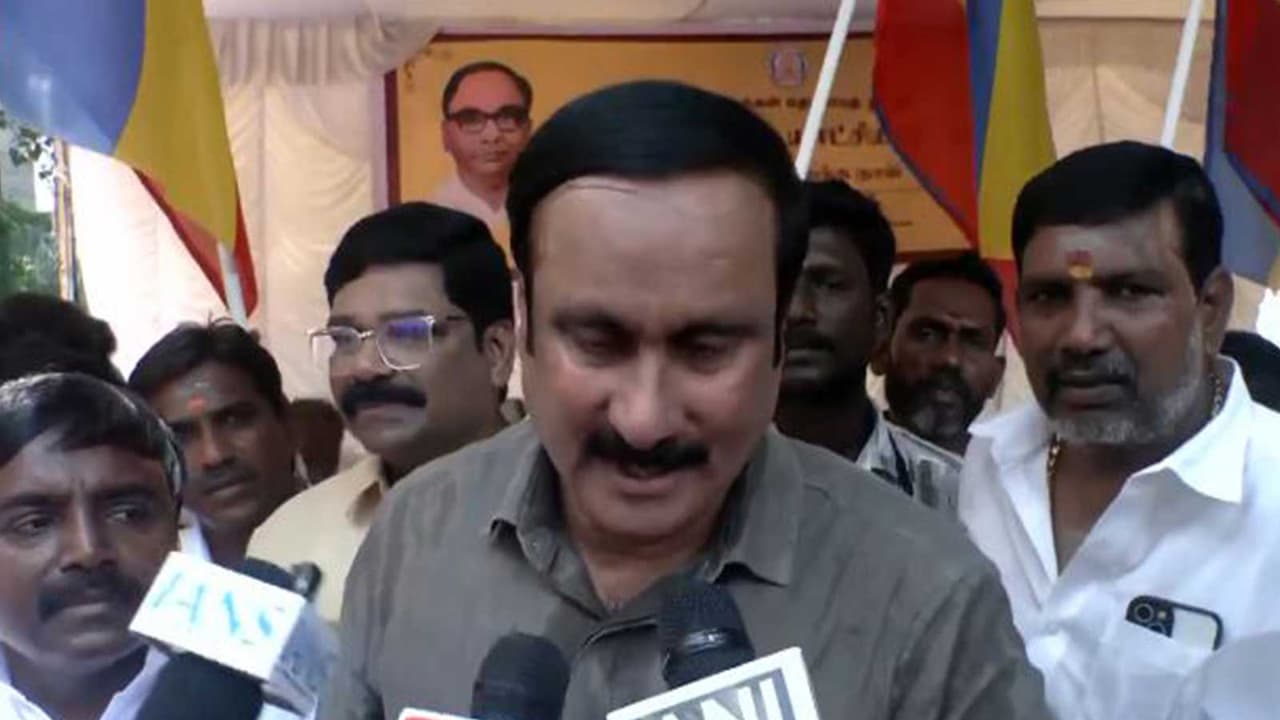
PMK chief Anbumani Ramadoss marks the centenary of communal reservation in Tamil Nadu, advocating for 100 percent caste-based proportional representation to achieve true social justice across the state.
Centenary of Communal Reservation in Tamil Nadu
Pattali Makkal Katchi (PMK) president Anbumani Ramadoss on Wednesday said that the existing reservation system in Tamil Nadu did not represent complete social justice and called for intensifying the movement to achieve 100 per cent caste-based proportional representation. Marking the beginning of the centenary of the implementation of communal reservation in Tamil Nadu, Anbumani said that true social justice could be achieved only when every community received reservation in proportion to its population.
Historical Context and Milestones
In a statement, the PMK chief said November 4 deserved to be inscribed in golden letters in the history of social justice in Tamil Nadu, as the third Communal Government Order (G.O. No. 1071), providing for 100 per cent communal representation in the then Madras Presidency, was passed on this day in 1927. He credited the then Chief Minister P. Subbarayan and Education Minister Kumbakonam Muthiah Mudaliar for making the 100 per cent communal representation possible. The policy was subsequently extended in 1935 to Central Government offices in the Madras Presidency and continued until the Madras High Court delivered its verdict in the Champakam Dorairajan case in 1950, he said.
Following the First Amendment to the Constitution in 1951, a new reservation system was introduced, beginning with 25 per cent reservation for Backwards Classes and 18 per cent for Scheduled Castes, taking the total to 41 per cent. The reservation has since been increased to 69 per cent in Tamil Nadu. However, Anbumani said that the existing arrangement was still not complete social justice.
Contributions to the Social Justice Movement
Recalling the contributions of leaders to the social justice movement over the past century, he credited the Raja of Panagal with introducing the first two Communal Government Orders in 1921 and 1922. He also acknowledged P. Subbarayan and Kumbakonam Muthiah Mudaliar for the third Communal Government Order and Omandur Ramasamy Reddiar for introducing reforms to the system. Among leaders who contributed to reservation policies after Independence, Anbumani recognised former Chief Ministers Kalaignar, M.G. Ramachandran, Jayalalithaa and Edappadi K. Palaniswami for increasing reservation percentages, introducing internal reservations and securing constitutional safeguards for reservation. He also paid tribute to the Raja of Bobbili, Arcot Ramasamy Mudaliar, Thanthai Periyar, Arignar Anna, Perunthalaivar Kamaraj and Dr Ayya for their contributions to securing social justice in Tamil Nadu.
Current Government Initiatives and Future Calls
Welcoming the Tamil Nadu government’s announcement of a social justice survey, Anbumani said the decision had come following a demand raised by the PMK. He said the government led by Chief Minister Vijay had announced that a social justice survey would be conducted in the state and that a commission would soon be constituted for the purpose. The PMK president called for further steps towards implementing the decision without delay.
As Tamil Nadu marks the beginning of the centenary of communal reservation, Anbumani urged people to pay tribute to those who contributed to the social justice movement and those who sacrificed their lives for the cause. He called for renewed commitment to intensifying the struggle to achieve 100 per cent caste-based proportional representation in the state. (ANI)
(Except for the headline, this story has not been edited by Asianetnews Editorial staff and is published from a syndicated feed.)