In a letter dated January 5, ALPA president Capt Sam Thomas said recent incidents and long-standing patterns indicated that elements within the rostering function were operating in a manner fundamentally at odds with the ‘Just Culture’ principles, human factors and empathy expected in a safety-critical airline environment.
The pilots’ body made it clear that the issue was not a routine service grievance but a serious governance and safety concern, noting that rostering decisions carried significant discretionary power with a direct bearing on pilot fatigue, morale, retention and safety outcomes.
The ALPA pointed to two recent incidents to underline the gravity of the situation. According to the association, in one instance, a rostering manager allegedly posted publicly on social media about retaliating against pilots who declined roster changes due to personal or family reasons. The association termed the conduct unprofessional and said it reflected an intent to instil fear through punitive scheduling rather than resolve operational constraints through reason and dialogue. In another case, a rostering staff member was seen ignoring calls on the pilot hotline while prioritising personal grooming and social media activity, it added.
The association stressed that the hotline was a safety-critical channel that may involve emergencies, duty time limitations, fitness-to-fly concerns or family crises, and that disregarding such calls was fundamentally incompatible with the responsibilities of the role.
While acknowledging the demanding nature of rostering, the ALPA said workload pressures could not justify disrespect for pilot welfare or the use of hardship as a tool for retaliation. It warned that when such behaviour becomes normalised, it signals a deeper cultural and supervisory failure.
Placing the issue in a wider safety and reputational context, the body referred to the large-scale operational disruption faced by IndiGo in December 2025 and said that mismanaged rosters, fatigue and dismissive attitudes towards crew concerns could rapidly escalate into operational, financial and reputational crises. It said public and regulatory expectations around fatigue management, mental health and humane rostering had permanently shifted.
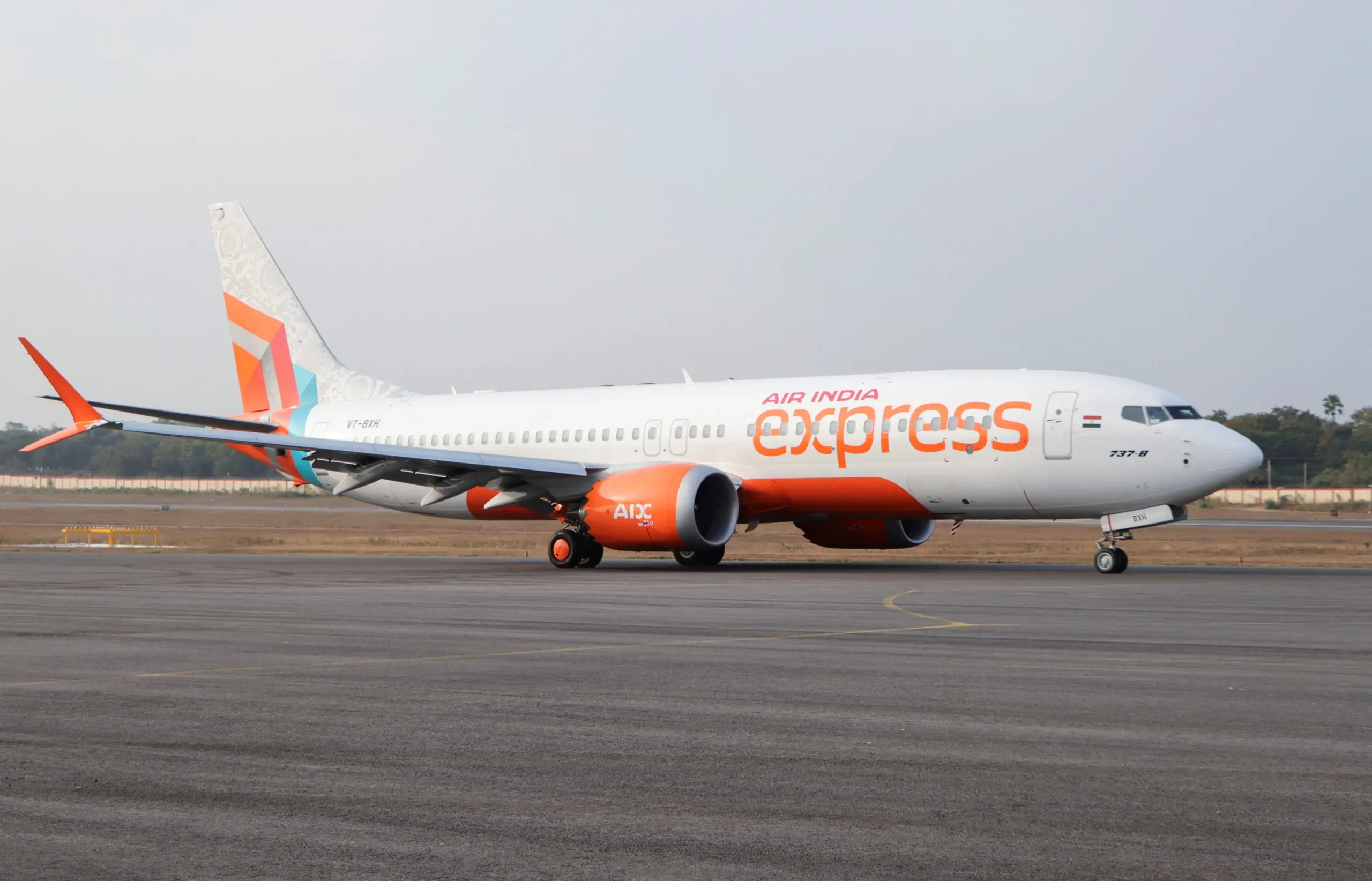
The association cautioned that Air India Express, which was undergoing rapid growth and facing increasing scheduling pressures, risks similar disruptions if a culture of fear or punitive control was allowed to persist within a critical enabling function.
Seeking decisive action, the ALPA urged the board to issue a clear directive that retaliation, ego-driven scheduling and disregard for pilot welfare are incompatible with the airline’s safety objectives. It also sought mandatory CRM and human factors training for all rostering personnel, a formal code of conduct with defined hotline protocols and oversight mechanisms, and a comparative audit of Air India and Air India Express rostering practices.