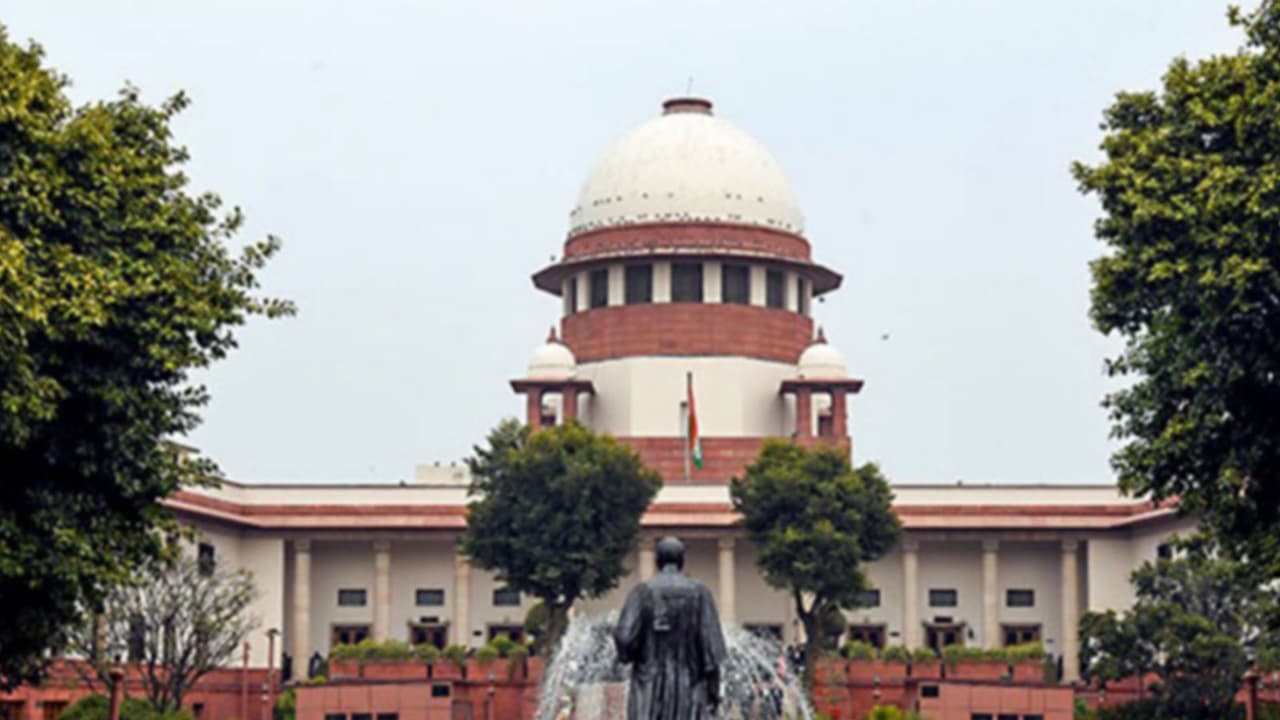
A PIL filed in the Supreme Court by advocate Ashwini Kumar Upadhyay demands the Election Commission implement finger and iris biometric authentication at polling stations to prevent electoral malpractices like duplicate and ghost voting.
A Public Interest Litigation (PIL) has been filed before the Supreme Court seeking directions to the Election Commission of India (ECI) to implement a finger and Iris biometric identification system at polling stations in the upcoming Assembly elections to curb electoral malpractices such as duplicate voting, impersonation, and ghost voting.
The petition has been filed by advocate and social activist Ashwini Kumar Upadhyay, invoking Article 32 of the Constitution, raising concerns over the continued instances of bribery, undue influence, personation, duplicate voting, and ghost voting despite existing safeguards.
Plea for Robust Voter Verification
In his main prayer, the petitioner has urged the top court to direct the ECI to introduce fingerprint and iris-based biometric authentication at polling booths, particularly in impending Assembly elections, to ensure that only genuine voters cast their votes and that the principle of “one citizen, one vote” is strictly enforced.
Constitutional Mandate and Flaws in Current System
The plea argues that current voter identification methods largely based on voter ID cards and manual verification, are prone to misuse due to outdated photographs, clerical errors, and lack of real-time validation. It submits that biometric authentication, being unique and non-duplicable, would effectively eliminate impersonation and multiple voting.
Highlighting the constitutional mandate of free and fair elections, the petition states that the ECI has plenary powers under Article 324 to introduce such technological measures and may amend relevant rules to strengthen voter identification.
Enhancing Transparency and Accountability
The petitioner has also pointed out that biometric verification can help address issues related to migrant voters, duplicate electoral entries, and “ghost voters,” while creating a real-time audit trail to enhance transparency and accountability in the electoral process.
The plea further contends that adopting such a system would align the electoral process with existing Aadhaar-based identification frameworks and modern technological standards already in use across governance sectors.
SC Intervention Sought After ECI Inaction
The petition also notes that a representation dated March 28, 2026, was submitted to the Election Commission seeking similar relief, but no action has been taken so far, necessitating intervention by the Supreme Court.
Apart from the primary relief, the petitioner has sought any other appropriate directions to ensure the conduct of free, fair, and transparent elections across the country. (ANI)
(Except for the headline, this story has not been edited by Asianet Newsable English staff and is published from a syndicated feed.)