
In clinics today, however, PCOS is increasingly recognised for what it truly is: a lifelong metabolic and hormonal condition that can influence a woman’s health well beyond the reproductive years.
We spoke to Dr Anita David- Consultant Gynaecologist, Infertility Specialist, Vaginal & Laparoscopic Surgeon (Obstetrics and Gynaecology), MBBS, DGO, DNB -OBG 18 years experience, who explained the long-term impact of PCOS on your health.
Globally, the World Health Organization estimates PCOS affects around 8-13% of women of reproductive age. In India, the numbers vary depending on diagnostic criteria and population studies, but a systematic review and meta-analysis reported a pooled prevalence of about 11% using commonly used criteria. This means PCOS is not ‘rare’ – it is common, under-recognised, and often undertreated beyond symptom control.
The Hidden Long-Term Risks
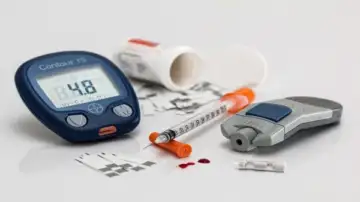
“PCOS is closely linked with insulin resistance, which helps explain why many women with PCOS face higher long-term risks of prediabetes and type 2 diabetes. Public health guidance from the US CDC notes that more than half of women with PCOS may develop type 2 diabetes by age 40, a statistic that underlines how early the metabolic impact can begin,” explained Dr David.
Cardiovascular health is another concern. The 2023 International Evidence-Based Guideline for PCOS emphasises the importance of recognising cardiometabolic risk and assessing factors like weight, blood pressure, glucose and lipids as part of routine PCOS care, not just fertility-focused management.
Emerging evidence also links PCOS with a higher risk of metabolic dysfunction-associated fatty liver disease (formerly NAFLD/MASLD) and sleep-disordered breathing, especially when weight gain and insulin resistance coexist.
“And there is a dimension we still don’t talk about enough: mental health. PCOS can affect body image, self-esteem, relationships and quality of life. The 2023 guideline specifically highlights the need to screen for psychological well-being as part of PCOS care, not as an afterthought,” added Dr David.
Why PCOS is Missed, or Minimised
“Many women are told to ‘just lose weight’ or ‘take a pill for periods.’ But PCOS is heterogeneous: some women have irregular cycles with normal weight, others have prominent metabolic issues, and some have distressing skin/hair symptoms. A one-size-fits-all approach fails,” said Dr David.
Practical Takeaways: What Women with PCOS Should Monitor
If you have PCOS (or suspect it), discuss a long-term screening plan with your doctor. Most women benefit from periodic checks of:

- Weight/BMI and waist circumference
- Blood pressure
- Glucose testing (fasting glucose, HbA1c, or an oral glucose tolerance test when indicated)
- Lipid profile (cholesterol and triglycerides)
- Sleep symptoms (snoring, daytime sleepiness)
- Mood screening (anxiety/depressive symptoms)
- Cycle regularity (important for endometrial protection)
Bottomline
Dr David concluded, “PCOS care should not begin and end with periods or pregnancy. It should be framed as whole-person, lifelong healthcare, metabolic, cardiovascular, psychological and reproductive. With early diagnosis, sensible screening and sustainable lifestyle support, most women with PCOS can significantly reduce long-term risks and lead healthy, active lives.”
If there’s one message to remember, it is this: PCOS is manageable, but only when we treat it as more than a fertility problem.