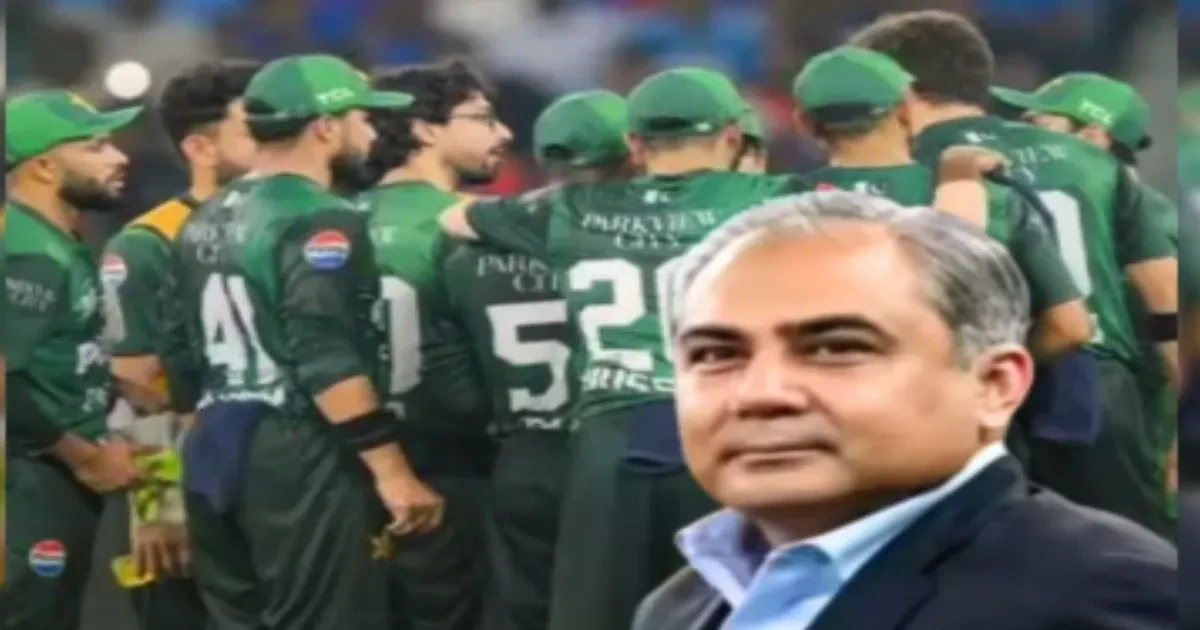
The Pakistan Cricket Board (PCB) faces potential financial turmoil amid reports it may refuse to play its scheduled T20 World Cup 2026 match against India on February 15 in Colombo.
According to sources, Pakistan’s share in the International Cricket Council (ICC) 2024-27 financial cycle amounts to roughly USD 144 million (around PKR 40 billion), with an annual payout of USD 38 million. Any penalties imposed by the ICC for non-participation could significantly impact PCB’s finances.
The PCB has already received substantial funds from the ICC for hosting the 2024 T20 World Cup and last year’s Champions Trophy, which generated an additional USD 6 million from the tournament’s USD 70 million budget. However, much of this income was offset by heavy expenditure, including around PKR 18 billion spent on upgrading stadiums in Lahore, Karachi, and Rawalpindi. Revenue from ticket sales and hospitality boxes remained limited, with Pakistan only hosting one match at home, as its clash against India was relocated to Dubai under an agreement with the BCCI and ICC.
Insiders warn that since PCB is a signatory to the Participating Nations Agreement for ICC events, failure to field a team without a valid force majeure claim could trigger severe financial penalties. Broadcasters, who have invested USD 3 billion for the current ICC rights cycle, rely heavily on Pakistan-India matches, each estimated to generate USD 250 million or more. Missing these matches could lead to major reductions in revenue distributed to ICC member boards.
In addition to ICC payouts, PCB’s revenue streams include franchise fees from the Pakistan Super League (PSL). With the addition of two new teams, franchise fees this year are expected to generate USD 42 million annually. The board also plans to auction the Multan Sultans franchise, which could fetch around PKR 200 crore (approximately USD 7 million). Media rights, sponsorships, and advertising make up the remaining portion of central PSL revenue, most of which is distributed to franchises.
The potential financial fallout has put PCB in a difficult position, balancing political or sporting decisions with the need to maintain financial stability. Sources emphasized that losing a significant portion of the ICC payout would create major challenges for Pakistan cricket, especially with upcoming ICC tournaments and PSL operations depending on steady cash flow.
As the February 15 fixture approaches, cricket authorities and stakeholders will be closely monitoring the situation. Any decision by the PCB to skip the match could have long-term repercussions for both the board’s finances and its international cricketing commitments.