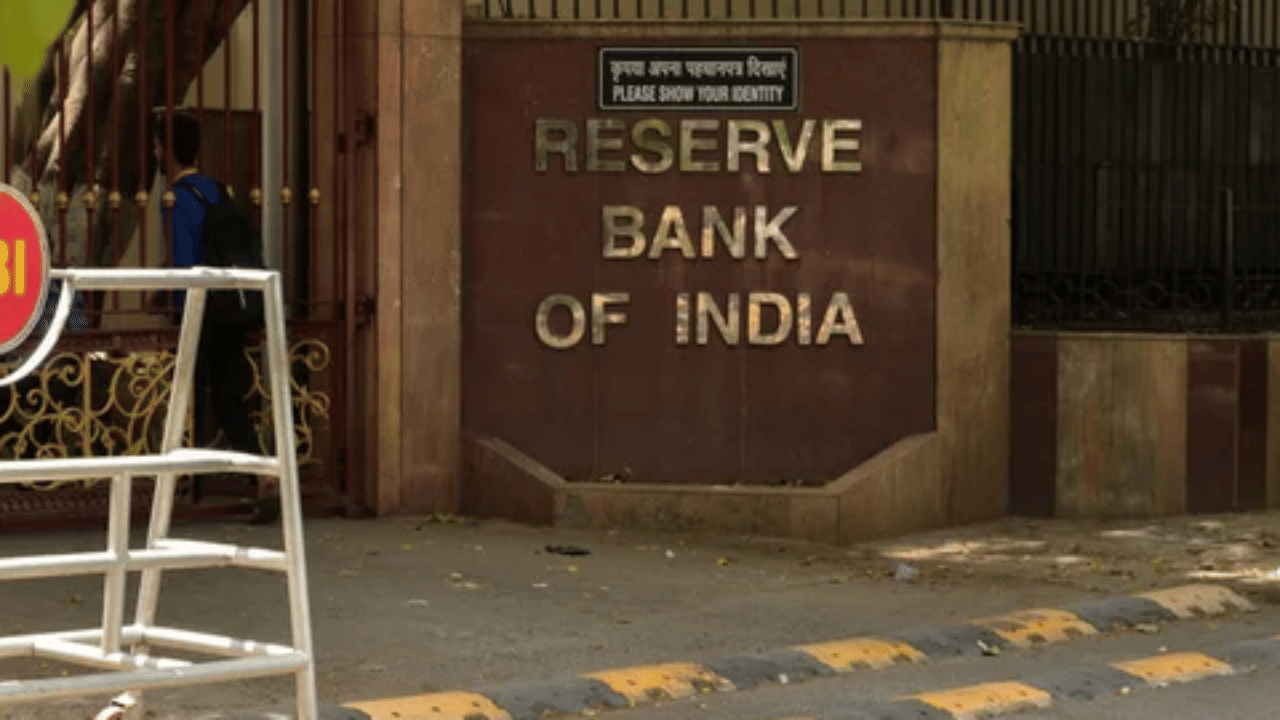
Kolkata: We are all familiar with phone number porting, where the number remains intact even if we change the mobile phone operator. Now thing of a situation where even if you change your bank, the savings account which yuo use does not change. All payments mandates linked to the account does not change. Sounds useful, right? Reserve Bank of India is working to set up this facility and has stated the outline of the plan in Payments Vision 2028 document.
Nowadays a lot of important inflows and outflows are linked to a bank account and it involves a lot of tedious work if one has to change a bank account. From EMIs to OTT subscriptions, school fees to insurance payments are linked to one account. If the system that RBI has outlined is successfully launched, it will solve this problem in one swift stroke.
Seamless switching between accounts
The RBI is working to set up a centralised platform that can manage all payment mandates. It will store all auto-debits and mandates. The entire mandates will be rerouted seamless if a customer changes banks. It indicates that manual updates of accounts will no longer be needed.
Payments Switching Service or PaSS
In its Payments Vision 2028 document, RBI has named it as Payments Switching Service or PaSS. Explaining the concept, the central bank wrote in it, “Customers face challenges in managing their payment instructions in case their account number changes due to shifting to another bank, merger of banks, etc. To address this, feasibility of implementing a ‘Payments Switching Service’ shall be explored. It is envisaged as a centralised service that would facilitate migration of payment instructions, both incoming and outgoing, from one account to another, thereby enabling customers to change their bank accounts with minimal friction. Using this functionality, customers shall be able to view all payment flows linked to their accounts and initiate either a full or partial switch with appropriate authorisation.”
“The objective is to provide customers with centralised control over their payment instructions, facilitate orderly transitions during systemic changes like bank mergers, and foster healthy competition and service excellence among financial institutions, thereby enhancing customer experience,” it added.