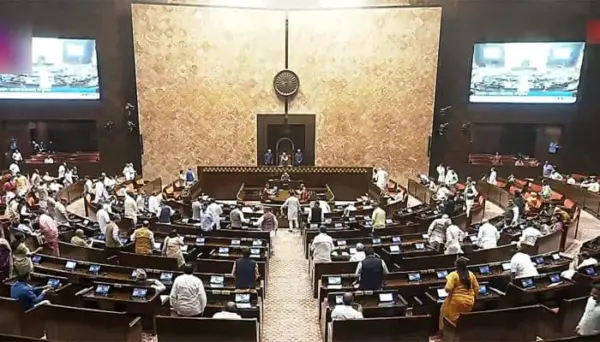
Aparliamentary committee is expected to approve its report on the proposed anti-corruption bill on July 17, likely incorporating specific amendments to address controversial elements.
This legislative move prepares the ground for the central government to introduce the bill during the upcoming monsoon session of Parliament. The bill proposes to remove elected leaders like Prime Minister and Chief Minister from their post if they are detained beyond one month period. The bill was vociferously opposed by the Opposition MPs earlier.
Contentious Provisions and Safeguards
The core of the legislation, the Constitution (130th Amendment) Bill, mandates the automatic removal of Prime Ministers, Chief Ministers, and other ministers from their posts if they are held in custody for 30 consecutive days due to serious criminal allegations. While the committee, led by BJP MP Aparajita Sarangi, is anticipated to maintain this automatic removal clause, reports indicate that the bill may include cautionary notes or safeguards. These additions are intended to prevent the law from being exploited for political retaliation, a concern raised by various legal experts and organisations during consultations with the panel.
Legislative Hurdles and Political Friction
The bill faces significant opposition, as members of the INDIA bloc claim it is politically motivated and designed to target non-NDA state governments. Given that the legislation requires a two-thirds majority in Parliament to pass, the BJP-led government faces a challenging task in securing the necessary support, particularly in the Lok Sabha.
Home Minister Amit Shah, who tabled the bill in August 2023, has been a staunch proponent of the measure. He has argued that high-ranking officials should not be permitted to govern while incarcerated, citing instances such as the detentions of former Delhi Chief Minister Arvind Kejriwal and DMK minister V. Senthil Balaji.
Opposition Concerns and Boycott
In protest, a majority of the opposition members on the committee, including those from the Congress party, have boycotted the proceedings. These members contend that the panel is being utilised as a “rubber stamp” for the ruling party, rendering any opposition participation ineffective. Furthermore, Hyderabad MP Asaduddin Owaisi has pointed out that existing criminal law provisions permit police custody periods exceeding 30 days, effectively guaranteeing the removal of a leader regardless of the ultimate outcome of their legal case.