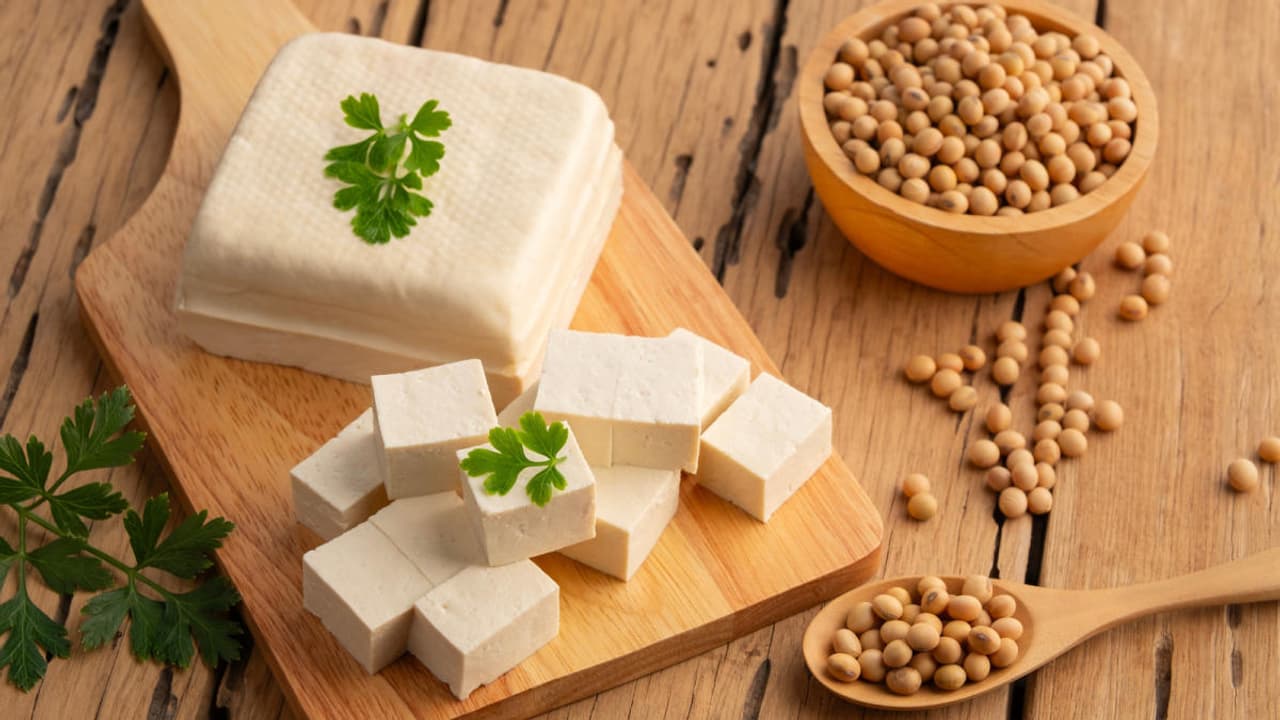
Paneer and soya are popular protein sources in India, but differ in nutrition and absorption. Learn which offers more protein, their health benefits, and why including both supports a balanced diet.
Paneer and soya are staples in almost every Indian kitchen. But their protein content isn’t the same. One comes from milk, and the other is plant-based. This means our bodies absorb them differently.
Both paneer and soya are packed with protein. But which one has more? People eat them mainly for their high protein content. This is super important because the Indian Council of Medical Research (ICMR) says a whopping 73% of Indians are protein-deficient.
The situation is quite serious. India is also dealing with child wasting, which affects 18.7% of kids under 5. At the same time, in our cities, we’re seeing a strange trend: obesity is rising right alongside protein deficiency.
Also read: Discover the Amazing Health Benefits of Eating Spinach Weekly
Paneer vs Soya
The ICMR and the National Institute of Nutrition (NIN) have set protein guidelines based on age, lifestyle, and how active we are. Let’s talk about paneer. A 100-gram serving has about 18 grams of protein. But how much your body absorbs depends on how it’s processed. Paneer is also a great source of calcium, fat, and Vitamin B12.
When you compare the exact protein in paneer and soya chunks, digestibility is a key factor. The types of amino acids in each also decide how nutritious they really are for you.
According to the International Journal of Science and Research Archive, paneer is excellent for bone health because it provides a lot of calcium. The bottom line is, both paneer and soya have their own unique benefits. Eating both in moderation is a good idea for your health.
Also read: Boost Kidney Health: 6 Must-Have Superfoods for People with Kidney Issues