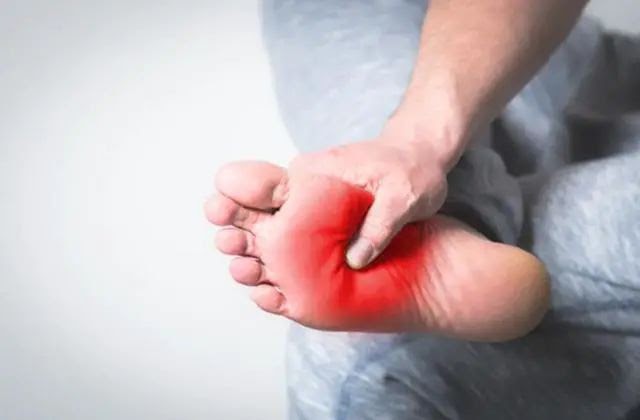
If you repeatedly feel pain, tingling, numbness or heaviness in the legs, it may be a sign not only of fatigue but also of decreased blood flow. Ignoring this can lead to serious vascular (blood vessel related) problems in the future.
According to vascular surgeons, persistent pain in the legs can be a sign of the following problems:
Peripheral Artery Disease (PAD)
This is the biggest cause of pain in legs. Plaque accumulates in the arteries of the legs, reducing blood flow. Its main symptom is severe pain in the calf or foot while walking, which gets better after resting. If timely treatment is not done, blood supply to the leg may also stop.
blood clot
A blood clot forming in a leg vein can be dangerous. Swelling, pain, warmth, red or blue color change in the legs could be deep vein thrombosis (DVT), which can also be fatal. When the veins in the legs become weak and start bulging, pain, heaviness and burning sensation are felt. This indicates that the blood is not moving upwards properly.
Diabetic Neuropathy
When there is excess sugar, the nerves start becoming weak. Tingling, burning, numbness are major causes of persistent pain in the feet. In winter or sitting for a long time, blood flow in the legs becomes weak. Coldness, cramps, numbness, heaviness can also be a warning sign of vascular health of the entire body.
leg vein blockage
This includes severe pain in the legs, difficulty in walking and color change in the fingers. This situation demands immediate investigation. If there is a wound on the feet that is not healing, cold feet, skin turning pale, blue or red, pain not going away even after rest, do not take all these lightly.
1 Simple Hack to Reduce Persistent Foot Pain
‘Leg Elevation’ – Relax by raising your legs, according to vascular surgeons, this is the easiest and most effective method. For this, lie down with your legs raised above the heart level for 10-15 minutes every day, place 2-3 pillows under your legs or lie down with your legs resting on the wall, this reduces swelling and pain in the legs, improves blood flow and reduces the pressure on the veins. This remedy is very beneficial for those who stand for a long time, those whose job involves sitting or those who have problems with varicose veins or swelling.
Other important measures to reduce foot pain
-By walking 20-30 minutes daily, blood circulation improves fastest.
-Massage the feet with oil or moisturizer in circular motion.
– Do not wear very tight clothes or socks, they block the path of bleeding.
-Drink more water, this will keep the blood thin and reduce the risk of clot formation.
-Keep diabetes, BP and cholesterol under control, all these directly affect the nerves of the legs.
When to see a doctor immediately?
When feet feel blue or very cold. If swelling is increasing, do not delay in seeing a doctor. It is also dangerous if the pain increases while walking or stopping. If the wounds on the feet are not healing quickly then it is important to see a doctor. If the vein appears bulging or hard, do not take it lightly.