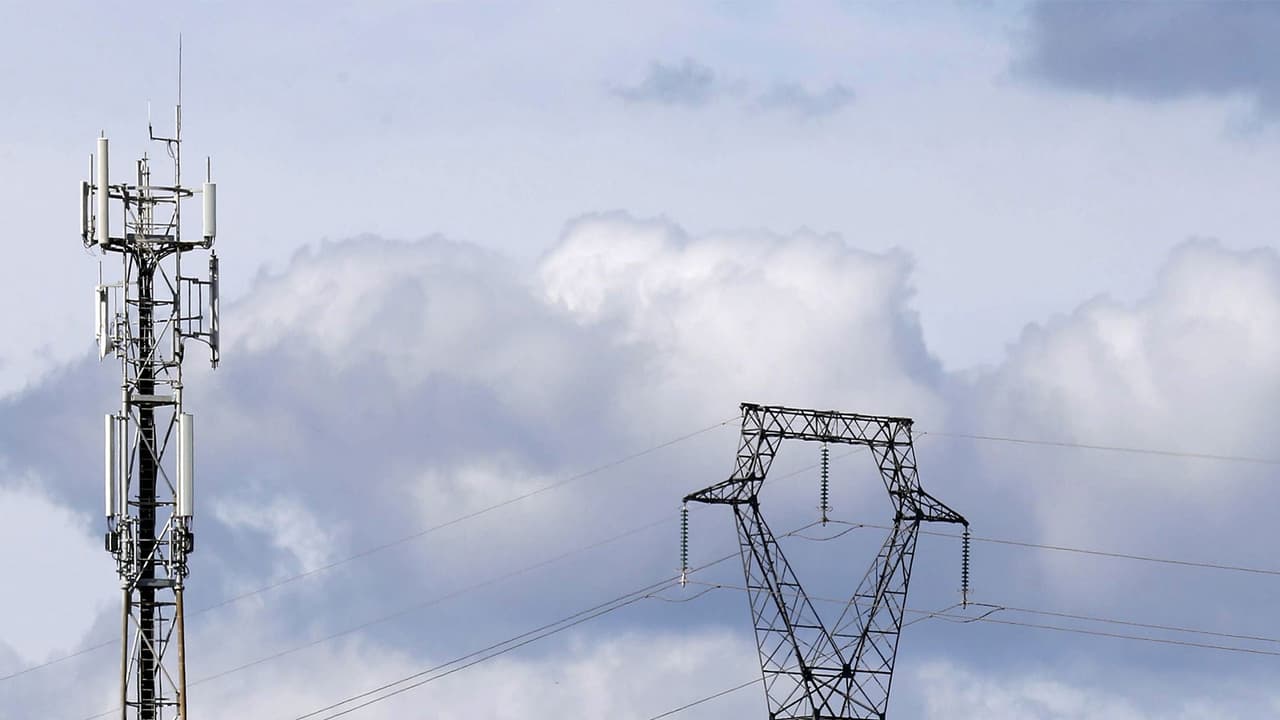
India has slashed the number of villages without 4G connectivity by nearly 75 percent over four years. Driven by the 4G Saturation Project, BSNL has deployed thousands of sites to boost digital access in rural and remote underserved areas.
Significant Reduction in 4G Connectivity Gaps
The number of villages without 4G connectivity in India has declined by nearly 75 per cent over the past four years, falling from 45,180 in 2022 to 11,372 in 2026, according to the Ministry of Communications. In its official release issued on Wednesday, the Department of Telecommunications (DoT) attributed the decline to sustained efforts to expand telecom infrastructure in rural, remote and underserved areas. It said, “These efforts have resulted in a significant reduction of nearly 75% in the number of villages without 4G connectivity, from 45,180 in 2022 to 11,372 in 2026.”
Role of the 4G Saturation Project
According to the ministry, the 4G Saturation Project was designed to provide connectivity to 24,680 previously unconnected villages, allowing residents in remote areas to access mobile communication and digital services. The ministry said state-owned telecom operator Bharat Sanchar Nigam Limited (BSNL) has commissioned 18,291 sites under the project’s planned rollout of 24,680 sites. These sites recorded data consumption of over 1.86 crore GB in October 2026, with a maximum of 10.21 lakh active users in a single day.
Data Consumption and Usage Trends
According to the release, average monthly data consumption stood at 18.3 GB per user, while each site served around 56 active users on average. “With about 56 active users per site on average, each site is serving dispersed rural communities that were earlier outside serviceable 4G coverage,” the ministry stated.
Future Infrastructure Expansion Plans
To further expand network coverage, the government has also sanctioned an additional 26,000 mobile network sites to address the remaining connectivity gaps. However, the ministry acknowledged that difficult terrain, high infrastructure costs, scattered settlements and remote tribal habitations continue to pose challenges to extending mobile connectivity.
The DoT said it would prioritise the remaining unconnected villages, particularly in remote, tribal and aspirational regions, through additional mobile sites, network-sharing arrangements and better utilisation of existing telecom infrastructure. The expansion is aimed at improving access to digital governance, education, healthcare and financial services in rural areas.
(Except for the headline, this story has not been edited by Asianet Newsable English staff and is published from a syndicated feed.)