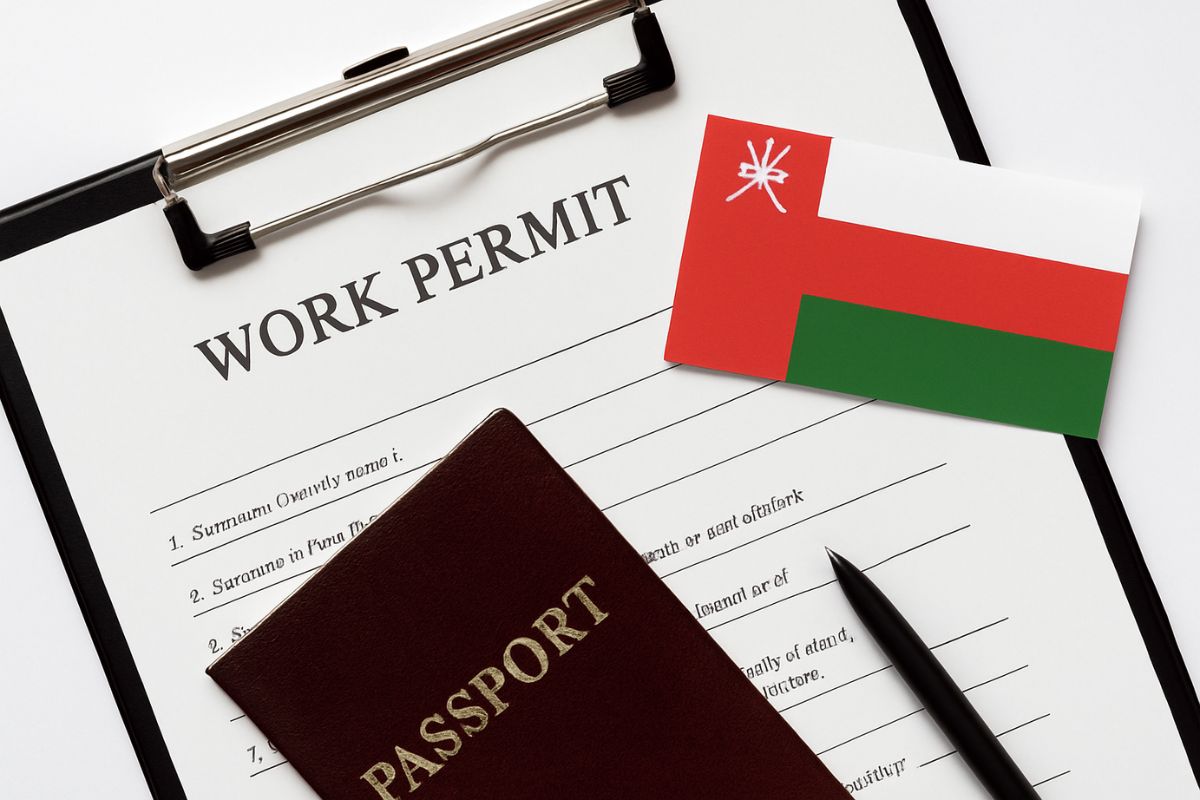
If you work in Oman’s energy or minerals sector, there is some breathing room.
The Ministry of Labour, Oman, has announced a grace period that runs until June 1, 2026. During this time, workers can continue working even if they do not yet have the required professional licence or classification certificate.
This move is meant to avoid sudden work stoppages while new rules are rolled out. But it also comes with a clear deadline that employers and workers should not ignore.
What Changed and Why It Matters
In September 2025, Oman introduced new rules for certain professions. Under these rules, workers must hold a professional practice licence or a classification certificate to get a new work permit or renew an existing one.
These requirements apply across several sectors, including energy, minerals, logistics, and finance-related fields.
The problem is that the exact process for getting these licences is still not fully clear. That uncertainty raised concerns about delays, rejected permits, and labour shortages.
The grace period is Oman’s way of keeping things moving while the system settles.
Who Gets the Grace Period Until June 2026
Not everyone benefits from the extension. The grace period applies only to workers in the energy and minerals sectors. Here is what that means in practice:
- New work permit applications can still be approved without a licence until June 1, 2026
- Existing employees can keep working without a licence during this period
- Everyone affected must obtain the correct licence or certificate by the deadline
After June 1, 2026, working without the required licence will no longer be allowed.
Roles Covered Under the Grace Period
The licensing rule applies to many jobs, but the grace period is limited to specific roles within energy and minerals.
Some of the key roles include:
- Crane operators
- Welders
- Electrical technicians
- Mechanical technicians
- Equipment operators
- Maintenance specialists
- Skilled technical workers linked to oil, gas, mining, and related industries
If a role sits outside energy and minerals, the grace period does not apply.
What Is the Licence or Classification Certificate?
The new licence or classification certificate requirement is meant to confirm that a worker is properly trained and qualified for their job.
Depending on the role, workers must obtain either:
- A professional practice licence, or
- A classification certificate
These documents are issued by a relevant Omani authority and act as official proof of skills, experience, and professional standing.
While the exact steps are still being defined, the licence will become a mandatory part of the work permit process.
Roles Affected By The Licensing Rules
The licensing requirement does not apply to every job in Oman. It is tied to specific professions that the Ministry has listed within each sector.
Energy and Minerals Roles
In the energy and minerals sector, 43–44 technical roles are covered. These include many front‑line oil and gas and heavy‑industry jobs, such as:
- HSE advisor
- Mobile crane operator
- Overhead crane operator
- Forklift operator
- Excavator operator
- MEWP (mobile elevating work platform) operator
- Vehicle marshal
- Lifting supervisor and rigger/slinger
- Mud tester
- Manual welder and welding operator
- Mechanical craftsperson and mechanical technician
- Electrical craftsperson and electrical technician
- Instrument craftsperson and instrument technician
- Machine operator and machinist / CNC machinist
- Production assembler
- Facilities maintenance technician/craftsperson/fitter
- Building maintenance technician
- Structural steelworker, plate worker, sheet metalworker
- Roustabout, floorman, derrickman, driller, assistant driller, tool pusher
- Fitting and assembly technician, pipe and tube fabricator, pipe and fitting assembling technician
These are the kinds of positions that now fall under the professional license rule in the energy and minerals sector and benefit from the grace period to June 2026.
Logistics Roles
Separate but related rules also cover certain logistics jobs, where a professional practice license is required for work permits. Examples include:
- Refrigerated truck (tractor‑trailer) driver
- Water tanker driver (tractor‑trailer)
- Tractor head (trailer) driver
- Waste transport truck driver
- Food delivery representative and supervisor
In logistics, the license comes from the Sector Skills Unit for the Logistics Sector, and is needed before new or renewed work permits are issued.
Accounting, Finance and Auditing Roles
For white‑collar professions in accounting, finance and auditing, Oman has introduced separate certification rules:
- Workers must obtain an approved certificate from the Sector Skills Unit for Accounting, Finance and Auditing.
- This certificate is now a condition to issue or renew work permits in those professions.
What Employers and Workers Should Do Now
Here’s the thing. The grace period is helpful, but it is not permanent.
Employers should start preparing now by:
- Identifying which employees need licences
- Tracking updates from Omani authorities
- Allowing extra time for future work permit renewals
- Avoiding last-minute applications close to the 2026 deadline
Workers should also stay proactive. Waiting until the final months could result in delays, rejected permits, or unexpected work interruptions.
The Bottom Line
Oman is tightening professional standards, not shutting the door on foreign workers. The grace period until June 1, 2026, gives energy and minerals workers time to adjust, but the message is clear. Licences will soon be non-negotiable.
If you work in this sector or manage people who do, now is the right time to get ready, not later.