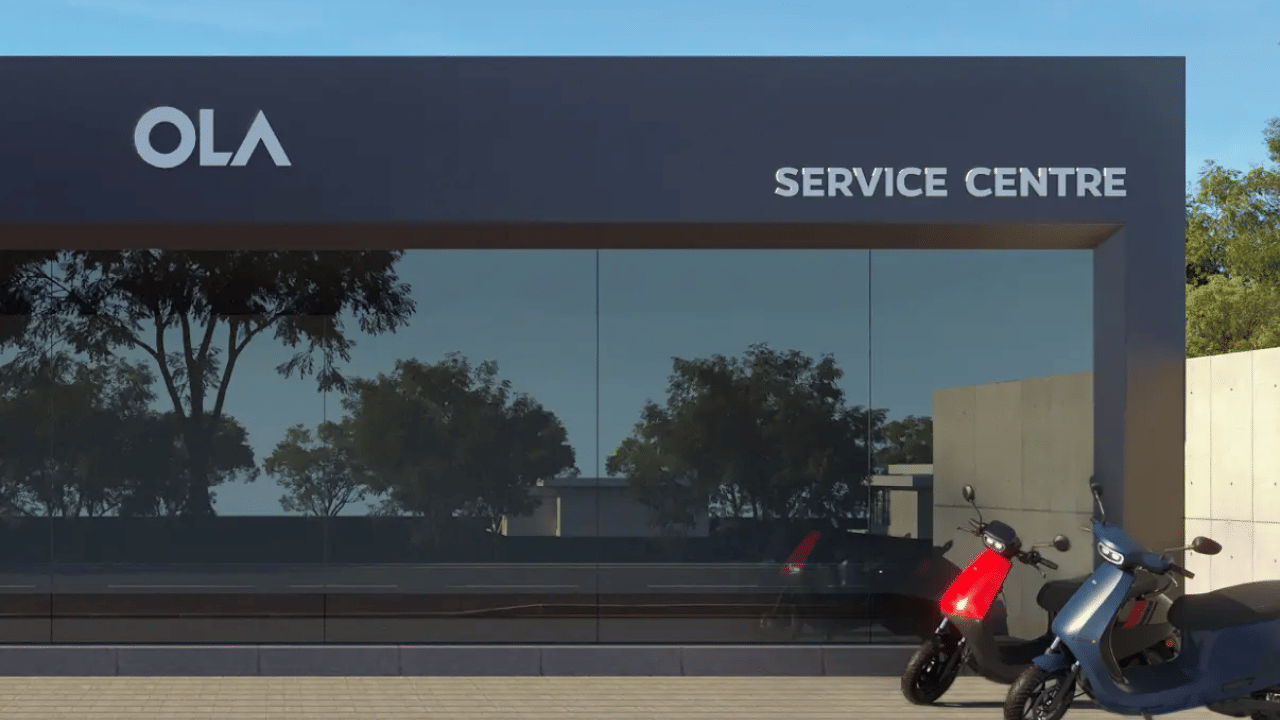
New Delhi: Ola Electric is planning to sharply cut down its physical store network as demand slows and its market share continues to fall. According to a report by The Economic Times, the company wants to bring the number of outlets down to around 550 by the end of March.
This comes after a period of rapid expansion. The Bhavish Aggarwal-led firm had earlier increased its offline presence to nearly 4,000 outlets across India. However, in its latest quarterly update, the company said it had already reduced operational stores to about 700 as part of a wider business reset.
Financial pressure and falling sales
The company’s latest financial numbers show the strain it is under. For the quarter ended December 31, 2025, Ola Electric reported a net loss of Rs 487 crore. In the same quarter last year, the loss stood at Rs 564 crore. Revenue from operations fell 55 per cent year-on-year to Rs 470 crore.
Sales have also dropped sharply. During the December quarter, the company delivered 32,680 electric two-wheelers. This is a 61 per cent decline compared to the same period a year ago.
Government registration data from the Vahan portal also points to a steep fall in its position in the market. In January, the company’s share in the electric two-wheeler segment slipped to about 6.3 per cent, down from around 26 per cent a year earlier. In the first 18 days of February, it sold 2,575 units, which brought its market share down further to roughly 4.2 per cent.
Job cuts and internal changes
As part of a restructuring plan announced last month, Ola Electric said around five per cent of its workforce would be affected. Out of nearly 3,500 employees, about 175 are expected to lose their jobs.
The company has said it wants to improve service quality and increase automation in customer-facing operations. It claims that more than 80 per cent of service requests are now being resolved on the same day under its revised service programme.
Over the past year, several top executives have also left the company. These include the chief financial officer, chief marketing officer and chief technology officer. The exits highlight ongoing changes in leadership and strategy.
According to the report, a letter to shareholders stated that the December quarter was a period of major internal adjustments. With electric vehicle adoption slowing and service operations needing improvement, the company decided to rethink its retail network, cost structure and overall operating model. The focus, it said, is now on long-term stability instead of pushing short-term sales growth. Several stores in different regions have already been shut, and employees at some locations were asked to leave.