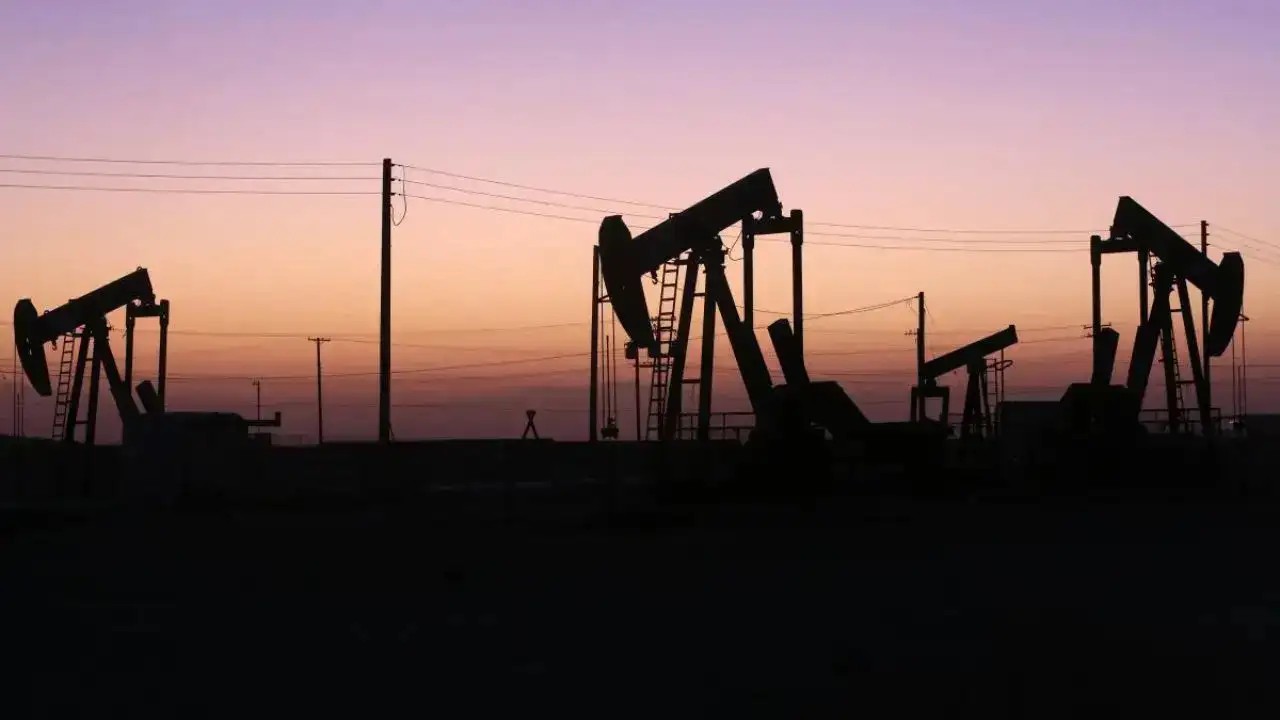
The moment word got out that the United States and Iran had struck a deal, oil markets moved fast. Brent crude fell 3.9% to $84 a barrel on Sunday, while US crude dropped 4.8% to around $81 a barrel, according to CNN. The declines came within hours of President Trump announcing on Truth Social that an agreement with Iran was complete.
It was a significant market reaction to a deal that, if it holds, could restart the flow of oil through one of the world’s most critical shipping lanes.
What Trump Said
posted the announcement on Truth Social late Sunday, declaring the deal done and ordering the immediate lifting of the US naval blockade on Iranian ports. He also authorized the toll-free opening of the Strait of Hormuz, the narrow waterway through which a significant portion of the world’s oil supply passes.
“Ships of the World, start your engines. Let the oil flow!” he wrote.
In a follow-up post, Trump framed the agreement in broader historical terms, saying many presidents had tried and failed to reach a peace deal with Iran before him. He said the opening of the strait, on Friday, would allow oil to flow again on both ends of the region and benefit the wider world.
Iran’s deputy foreign minister confirmed on Sunday evening that the text of the memorandum of understanding had been finalized, with commitments set to take effect starting Friday, according to Iranian state media.
Why the Strait Matters So Much
The Strait of Hormuz has been effectively closed since the war began in late February. The consequences for global shipping have been severe. Ships seeking passage through the waterway have been charged an average of around $2 million each, according to a member of Iran’s parliament cited by CNN.
With the strait reopened, commercial vessel traffic is expected to pick up sharply, easing pressure on global oil supply chains that have been strained for months.
Bob McNally, president of Rapidan Energy, laid out what the alternative would have looked like. Without a deal to open the strait, he told ABC’s This Week on Sunday, oil prices could have climbed into the mid-to-high $100 range and gas prices at the pump in US could have hit all-time highs of $5 a gallon. As of Sunday, the average price for a gallon of gas in the United States stood at $4.07, according to AAA.
Sunday’s oil price drop also followed declines earlier in the week, with Brent crude falling 3.4% and US crude dropping 3.2% on Friday as speculation of a deal grew.
What Comes Next
A formal signing ceremony is scheduled for Friday in Geneva, Switzerland. Vice President JD Vance confirmed he will attend, and Trump may also be present, per some reports.
The signing will be a historically significant occasion. According to the New York Times, Iran’s lead negotiator General Mohammad Bagher Ghalibaf and Foreign Minister Abbas Araghchi will travel to Geneva to put their names to the agreement alongside Vance. If that happens, it will mark the highest-level direct meeting between the two governments in 47 years. The United States and Iran severed diplomatic ties following the Islamic Revolution in 1979 and the subsequent hostage crisis at the US Embassy in Tehran.
The agreement being signed Friday is a memorandum of understanding, not a final peace settlement. It is expected to kick off 60 days of further negotiations aimed at resolving the deeper issues still on the table, including Iran’s nuclear program and the question of sanctions relief. Significantly, the agreement will also include a mutual acknowledgment of sovereignty, with both countries committing not to interfere in each other’s domestic affairs, according to Iranian Foreign Minister Araghchi.